Premier League Newcomers: Coventry City, Ipswich Town, Hull City
The Premier League has three very different newcomers this season. Coventry City, Ipswich Town and Hull City all return from the grind of the Championship, each with their own story, their own scars and their own idea of how to stay alive among the elite.
One looks ready. One looks fragile. One looks like a miracle waiting to be found out.
Coventry City: A 25-Year Wait, A Team Built for Now
Coventry are not stumbling into the Premier League. They’ve been walking towards it for years.
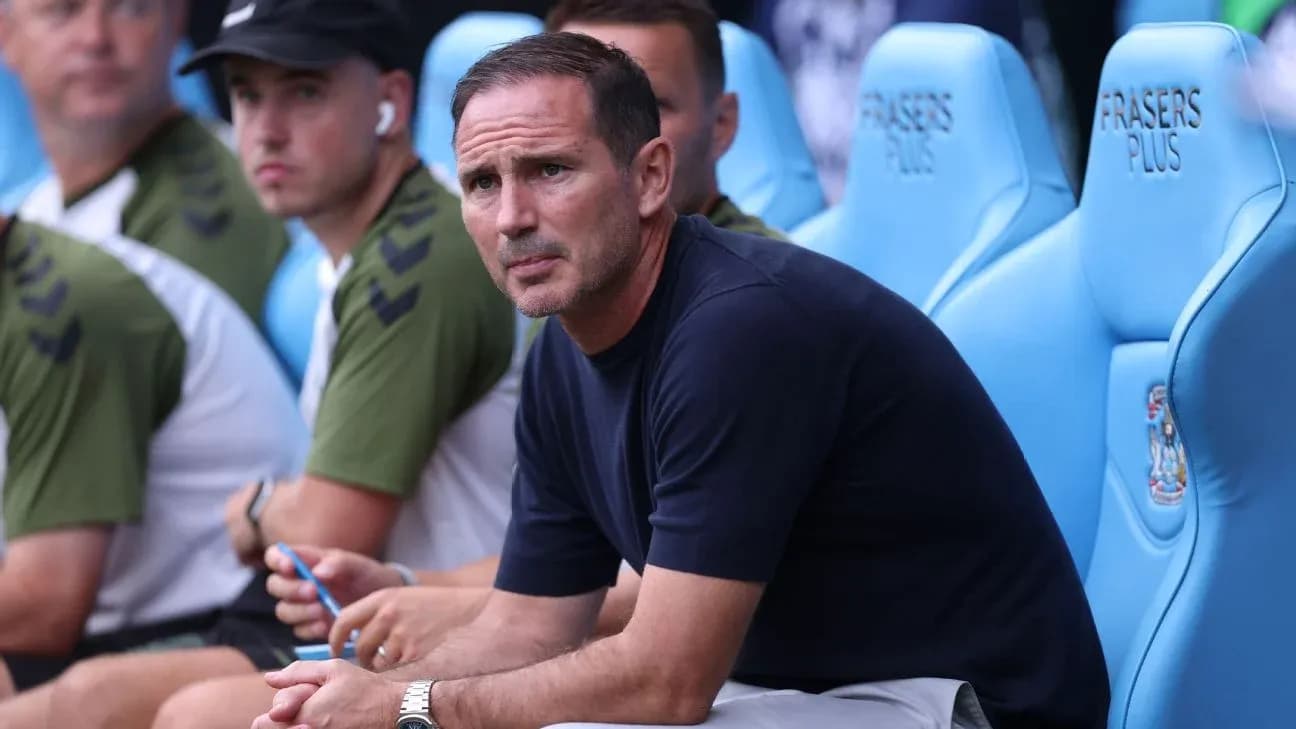
Back in the top flight for the first time in a quarter of a century, they arrive as champions and as one of the smartest-run clubs in the Championship. Their recruitment has been sharp, patient and joined-up. They just needed a manager to knit it all together. Frank Lampard has done exactly that.
His side didn’t just go up. They stormed it.
Ninety-seven league goals, the fourth-highest total in a 46-game Championship season. Only 45 conceded, the fewest in the division. They wrapped up the title by 11 points with four games to spare. That is dominance, not momentum.
Lampard has built a front-foot team that spreads the goals around. Seven different players scored at least seven times in the league. No single talisman, no obvious weak point to shut down. Coventry led the division for shots on target and ranked second for big chances created. They usually line up in a 4-2-3-1, but Lampard has not been afraid to flip to a 4-3-3 when the game demands it. This is not a rigid system; it’s an idea of how to play.
At the heart of that idea sits Jack Rudoni. He finished last season with seven goals and seven assists, but the numbers only tell part of the story. Rudoni roams. He crashes into the box, links play, drives Coventry up the pitch. Championship regulars have long suspected he had Premier League quality in him. Now he has the stage to prove it.
Behind him, Coventry have gambled big on making sure the step up doesn’t swallow them in midfield. They have broken their transfer record three times this summer, the latest for Caleb Yirenkyi from Nordsjaelland for £23.1 million. Fresh from featuring in all four of Ghana’s World Cup games and scoring against Panama, Yirenkyi arrives as a modern No. 6: breaking up play, carrying the ball, starting attacks. He’s there to stop Coventry being overrun when the pace and power of the Premier League bite.
The mood around the club is clear. Lampard has created unity, belief and a clear identity. Among the three promoted sides, Coventry look the most ready to survive. It might be tight, it might go to the wire, but they have every chance of clinging on and turning this return into something more permanent.
Ipswich Town: A Second Chance, New Voice, Old Fears
Ipswich’s path back has been chaotic. Relegated from the Premier League after just one season in 2024-25, they bounced straight back up at the first attempt. On paper, that sounds like stability. It isn’t.
Kieran McKenna, the architect of their rise through back-to-back promotions, couldn’t keep them up in that first Premier League campaign. Four wins, 22 points, 19th place. It hurt. Yet he still felt like the man to build again.
Now he’s gone.
McKenna’s departure this summer rips out the central pillar of Ipswich’s revival. Gary O’Neill has been brought in to steady the ship and drag them to safety, but he inherits a squad shaped by another man’s vision and another man’s voice.
Ipswich returned to the top flight on the back of defence, not chaos. They finished last season with the second-best defensive record in the Championship, conceding just 47 goals and keeping 17 clean sheets. They weren’t spectacular, but they were stubborn. Hard to break down, hard to beat.
O’Neill is unlikely to tear that up. His previous jobs point to a preference for a compact 4-4-2, with organisation and shape as non-negotiables. Ipswich will need that structure. They will spend long stretches without the ball, under pressure, clinging to territory and small margins.
For that to work, someone has to embrace the ugly work. That’s where Azor Matusiwa comes in. He hasn’t featured in pre-season as he works back to fitness, but once available he becomes crucial. He’s the one who screens, tackles, presses, and plugs gaps. In a side expected to be on the back foot most weeks, that kind of midfielder is not a luxury. He’s the hinge.
Up front, the risk is obvious. Ipswich have pushed their budget to bring in Emersonn as a new club-record signing, paying £24m for a striker who scored six league goals for Toulouse last season. The leap from Ligue 1 squad player to Premier League saviour is huge. He’s young, he’s talented, he’s shown flashes of real quality, but Ipswich need more than glimpses now. They need goals. Quickly.
Four players hit double figures for them in the Championship last term. The gap between that level and the Premier League is brutal. If Emersonn doesn’t adjust fast, Ipswich’s margin for error disappears.
Strip it all back and one issue looms over everything: McKenna’s absence. His influence on the club’s modern identity, on their belief and their football, was enormous. Losing him just as they return to the top flight feels like a punch to the gut.
O’Neill is capable and pragmatic, but he is walking into a job where the emotional and tactical reset is huge. For all the decent core of talent, the sense lingers that Ipswich are heading for another short stay among the elite.
Hull City: From the Brink to the Bright Lights
Hull shouldn’t really be here. That’s what makes their story so compelling — and so concerning.
Two seasons ago, they survived relegation to League One on goal difference. Last season, they started under a transfer embargo. They only squeezed into the Championship playoffs with a win on the final day. This is not a smooth ascent. It’s a scramble, full of grit and narrow escapes.
Yet here they are, a Premier League club again.
The numbers behind their promotion are wild. Hull conceded 66 goals last season, the fourth-worst defensive record in the Championship. Sides with that kind of back line don’t usually go up. They made the playoffs on the final day, then somehow didn’t concede a single goal in the knockout games, including a tense 1-0 win over Middlesbrough in a final overshadowed by the ‘Spygate’ saga.
That mix of chaos and resilience has become their identity. They raised their level against top-10 sides and showed real steel away from home. When the stakes rose, they found a way.
Sergej Jakirovic arrived as a relative unknown to English football but has stamped his authority on this team. Hull usually line up in a 4-2-3-1, yet Jakirovic has shown he can pivot when needed. Switching to a back three with wing-backs was key in dismantling Millwall in the playoff semifinal. He talks constantly about the collective, the unit, the group. For Hull, that isn’t a cliché. It’s their only real weapon against the gulf in quality they’re about to face.
Within that collective, Ryan Giles stands out. The left-back is Hull’s unlikely playmaker, driving forward from deep, delivering with precision from wide areas and set pieces. Eight assists in the Championship last season underline his importance. When Hull break, Giles often leads the charge.
The club’s recruitment this summer shows exactly where they know they’re vulnerable. Defence, defence, defence. They shattered their transfer record to sign goalkeeper Konstantinos Tzolakis from Olympiacos. His performances in goal will go a long way to deciding whether Hull can turn unlikely survival from fantasy into reality.
Alongside him, Lucas Gourna-Douath arrives as a fascinating subplot. Once tipped for big things, the 23-year-old midfielder now has a chance to reboot his trajectory. If he clicks, Hull could have a cornerstone for the future. If he doesn’t, the squad’s lack of proven quality becomes even more glaring.
Strip away the romance of their rise and the concerns are stark. Hull look, on paper, like one of the weakest squads to enter the Premier League in years. The defensive record is alarming, the goal threat is uncertain, and the depth and experience are thin.
They have spirit. They have togetherness. They have a coach who can adapt. But in a league this unforgiving, will that be enough when the first bad run hits and the table starts to stretch?