Premier League Early Insights: Teams Building Structures vs. Buying Stars
The Premier League table is barely dry and already the separation has begun. Some clubs look like they’ve walked into the season with a plan. Others, Spurs and Liverpool among them, are throwing money at problems that don’t live in the transfer market.
Hull, Chelsea and a quietly blossoming James McAtee? They look like they’ve actually cracked something.
Hull’s throwback blueprint
Hull were supposed to be the latest punchline. Another promoted side trudging towards weekly Derby 2007/08 comparisons, scrambling to clear that infamous bar before heading straight back down.
Instead, they’ve kicked the door in.
Only three promoted clubs before them have ever won their first two Premier League games. Two stayed up. The other was Hull in 2016/17, which does slightly kill the omen, but it doesn’t dull the impact of this start.
They’re already more than halfway to that dreaded Derby points tally with 36 games left, built on something unfashionable: structure, organisation, teamwork and repetition.
Sergej Jakirovic has gone back to basics and doubled down. A solid keeper. Three physical centre-halves in a back five. A stubborn midfield. Width on both sides. And, crucially, more attacking firepower still to arrive before the deadline.
Hull aren’t trying to dominate games. They’re trying to stay in them. Stay competitive, then pounce. Counter-attacks and set pieces are their currency, and with that platform they’ll spring plenty more surprises. This isn’t a miracle run. It’s a plan.
Chelsea’s chaos is fun – and fragile
Xabi Alonso did not learn this at the feet of Rafael Benitez or Jose Mourinho. Chelsea under him are playing with a Keegan edge: we’ll score one more than you and worry about the consequences later.
Last season, they only managed to win one Premier League game in which they conceded two or more. This season? They’ve already won 3-2 and 4-3, flirting with collapse each time before finally remembering what game management is.
The attack is the show. Fluid, rotating, unpredictable, it looks like it will churn out goals most weeks. The questions live behind it.
The defence is a work in progress. Emi Martinez still needs to sync with his new back line. Romeo Lavia is adjusting to not being the senior man in midfield. These are issues time can fix, but time in this league is rarely patient.
Right now, Chelsea feel – very tentatively – like Arsenal four years ago, somewhere in the messy middle of a rebuild. The trip to the Emirates next week will say far more about what they are than any wild 4-3 at home ever could. And history has already warned them about what happens when Chelsea get declared “back” too early after a big result against Mikel Arteta’s side.
The one thing we still haven’t seen? How this team reacts when it actually goes behind. Against Fulham and Brighton they always had a cushion. That won’t last forever.
The Brighton effect, Rashford’s reset and City’s chaos merchant
At this point, any club ignoring Brighton’s scouting trail is asking for trouble. Malick Yalcouye is just the latest reminder that when Brighton sign an obscure midfielder, everyone else should probably at least ask a few questions before the ink dries.
At Manchester United, the cycle of condemnation and redemption continues. Harry Maguire put it bluntly when talking about Marcus Rashford.
“Marcus has been part of a rough ride for Manchester United, and when that happens and the team doesn’t deliver, players get dug out and he was one of them at that stage,” he said. “I’ve been through it. Everyone’s been through it at this club.”
Maguire, the ex-captain who refused to disappear no matter how many managers tried, has seen Luke Shaw, Kobbie Mainoo and even Bruno Fernandes ride out storms that felt terminal at the time. Rashford’s situation under Ruben Amorim looked even more fractured, his bond with his boyhood club seemingly cut.
Yet sometimes it only takes a single moment – a hard recovery run, a clean tackle, a visible buy-in – to start repairing the damage. Rashford has found that entry point again. Whether it sticks is another matter.
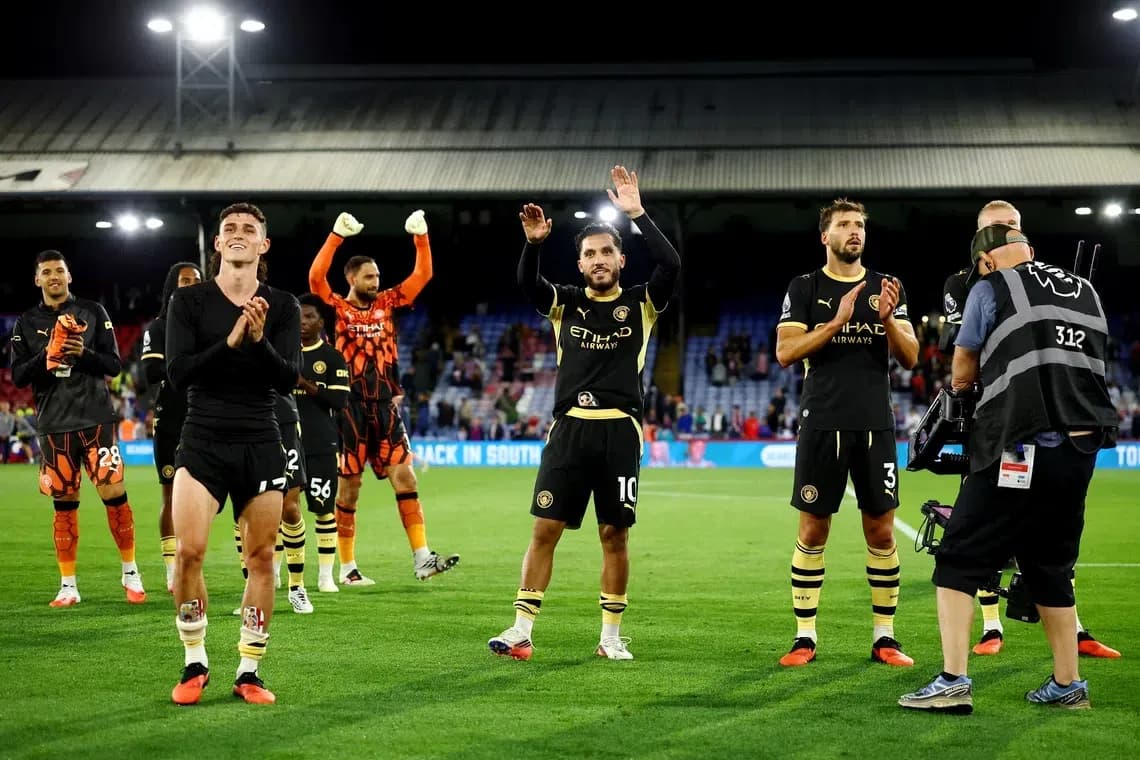
At Manchester City, Rayan Cherki is already making his own kind of noise. The list of forwards who joined Premier League clubs in the past year for more than City paid for Cherki is long: Savio, Yoane Wissa, Jamie Gittens, Anthony Elanga, Brennan Johnson, Kevin, Emile Smith Rowe, Dan Ndoye, Dilane Bakwa.
All of them cost more. None of them matched Cherki’s combined goals and assists this season – and he’s only played 109 minutes.
He’s been called “chaotic”, accused of ignoring Enzo Maresca’s safe zones. That might be the point. This City side, so often defined by control, probably need a bit of chaos.
McAtee, the unexpected heir
James McAtee arrived at Nottingham Forest as a solution to one problem and might end up solving an entirely different one.
He was signed from Manchester City in 2025 to help replace Anthony Elanga and, indirectly, Morgan Gibbs-White in a raided Forest attack. Then came the twist: Anderson moved in the opposite direction to the Etihad in 2026, and McAtee’s future suddenly looked different.
Oliver Glasner, always ready to trust coaching over chequebooks, made a call.
He “decided it’s not target No. 1 to replace Elliot because maybe we can do it from our own squad and spend the money on other positions”. McAtee became the internal candidate, repurposed rather than replaced.
Two games into his second season at the City Ground, Glasner has already given him 164 Premier League minutes – more than any of his four previous Forest managers managed combined. Nuno Espirito Santo, Ange Postecoglou and Sean Dyche barely scratched that total between them.
The tweak is simple. Deeper role. More touches. More responsibility. At Anfield, if you squinted and maybe imagined an acrobatic celebration that never came, McAtee looked suspiciously like an Adam Wharton type. Forest might just have found a £116m answer without spending a penny.
Everton’s eternal civil war and Brentford’s quiet competence
Everton have returned to their natural state: everyone despising everyone else.
That brief, unsettling spell when club and fanbase seemed broadly aligned has been sacrificed on the £40m altar of Harrison Armstrong. The politics are back, the friction is back, and with it comes the familiar sense of a club eating itself alive while the window ticks down.
They will be must-watch in the final days of the market. An attack that could plausibly morph from Dewsbury Hall, Ndiaye, Barry and George into Richarlison and Balogun, with Grealish floating around behind them, demands attention. It might not happen, but if it does, the mood music around Goodison changes in an instant.
And yet, even as everything threatens to collapse inward, a David Moyes team still grinds. Everton in the European places early in the season has become one of the Premier League’s most enduring traditions for a reason.
Across London, Brentford remain what they’ve been for years now: just a bloody good team under a bloody good manager. No drama, no noise, just competence. In this league, that might be the rarest commodity of all.
Leeds, Le Bris and the early-season survivors
Leeds have quietly stitched together a run that matters: one defeat in 11 games, and that solitary loss came on the final day away to already-relegated West Ham. The mantra is simple: if you can’t win, don’t lose. Right now, they’re living it.
Regis Le Bris has already earned a quirky little line in the history books: the first manager this season to bring on substitutes who combined for a goal – one assisting, one scoring. It’s a small thing, but it speaks to a coach who can change a game from the bench. You’ll never sing that, but clubs notice.
Spurs and the mentality money can’t buy
Roberto De Zerbi didn’t hide behind the usual excuses after Spurs’ latest stumble.
“You can’t find the right mentality in the transfer market,” he said. For a club on the verge of smashing the record for the most money spent in a single window, that line cuts deep.
“It’s the biggest problem, it’s the biggest challenge and the biggest target is to find the right mentality,” he added. “After the goal we conceded, I think we lost the confidence. The reaction was not good enough, not the reaction I want to see on the pitch… when you are building something new, it’s tough, there are problems… the solution is not to put down the head, but to react, because we had 20 minutes again to score one, two or maybe three goals.”
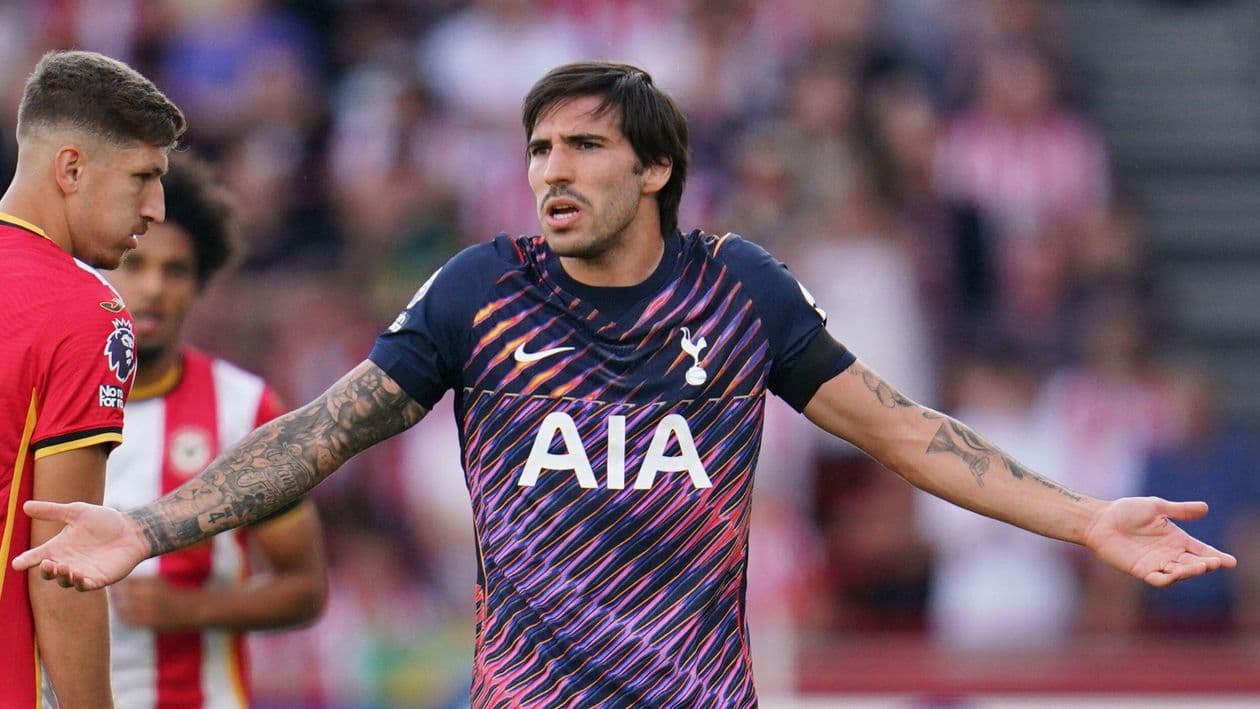
Harsh? Maybe. He’s only been in the job four months. But Spurs have spent enormous sums this summer. Against Newcastle, five new signings started. Two of them are Premier League champions. Another is a Serie A winner.
And yet they looked the least prepared side of the weekend. At home. Against a team they’d just taken a £92.5m midfielder from. A team that appointed their manager less than a month ago.
This is supposed to be the new Spurs. The old problems haven’t got the memo.
Palace out of puff
Crystal Palace’s issue is simpler: they can’t keep going.
Pierre Sage admitted he was “frustrated” that his players “gave up a little” and couldn’t “do it for the duration of the game” against Everton. In his first match, they “played well during the first half and it’s not normal that we played as we did in the second half”.
Against Manchester City, they lasted about an hour before fading. On that trajectory, Fulham are in for a 75-minute examination next week, then a quarter of an hour where anything might happen.
This summer has not been kind to preparation. Palace were heavily represented at the World Cup, were victims of their own success in UEFA SCR terms, and are clearly at the end of a cycle. Key players gone. Manager gone. New ideas trying to bed in while the fixtures keep coming.
Oliver Glasner joked he would “have a pint of beer and celebrate the transfer window being closed” later this week. His successor will probably raise a glass for the same reason. So will most managers in the division.
Liverpool’s problem money won’t fix
Liverpool have been here before.
Back in January 2016, they beat Norwich in a wild, pulsating game that showcased their attacking potential and their defensive frailty in equal measure. The question back then was framed around Alex Teixeira: how do you fix this with one signing?
They didn’t. They passed on Teixeira, trusted the coaching, and built a structure in the summer instead. The foundations of a dynasty were laid by patience, not panic.
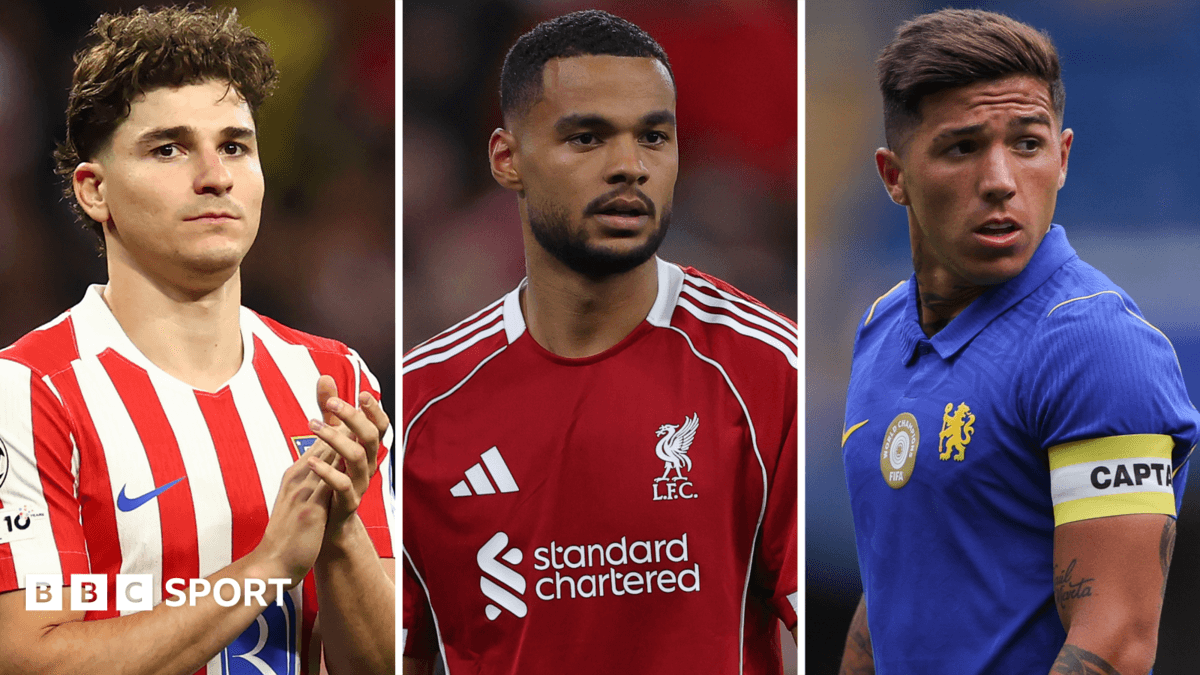
The comparison isn’t perfect. Bradley Barcola is a better player, a more compelling market opportunity, especially if Cody Gakpo is indeed on his way out. But the principle still stands.
Watching Liverpool concede from a goalkeeper’s punt and a penalty given away from a quick throw-in, then respond with well-worked, well-taken equalisers, you could feel the urge to spend. The temptation is to hurl £123m at the problem before the deadline.
Yet those problems aren’t in attack. And they certainly don’t live in one player.
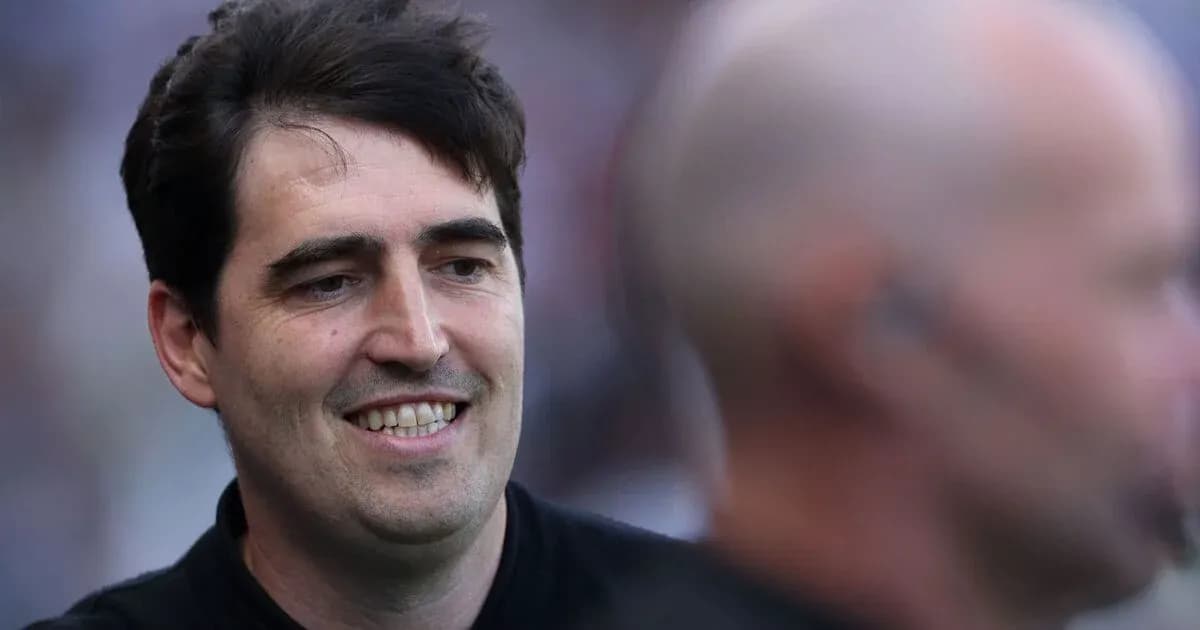
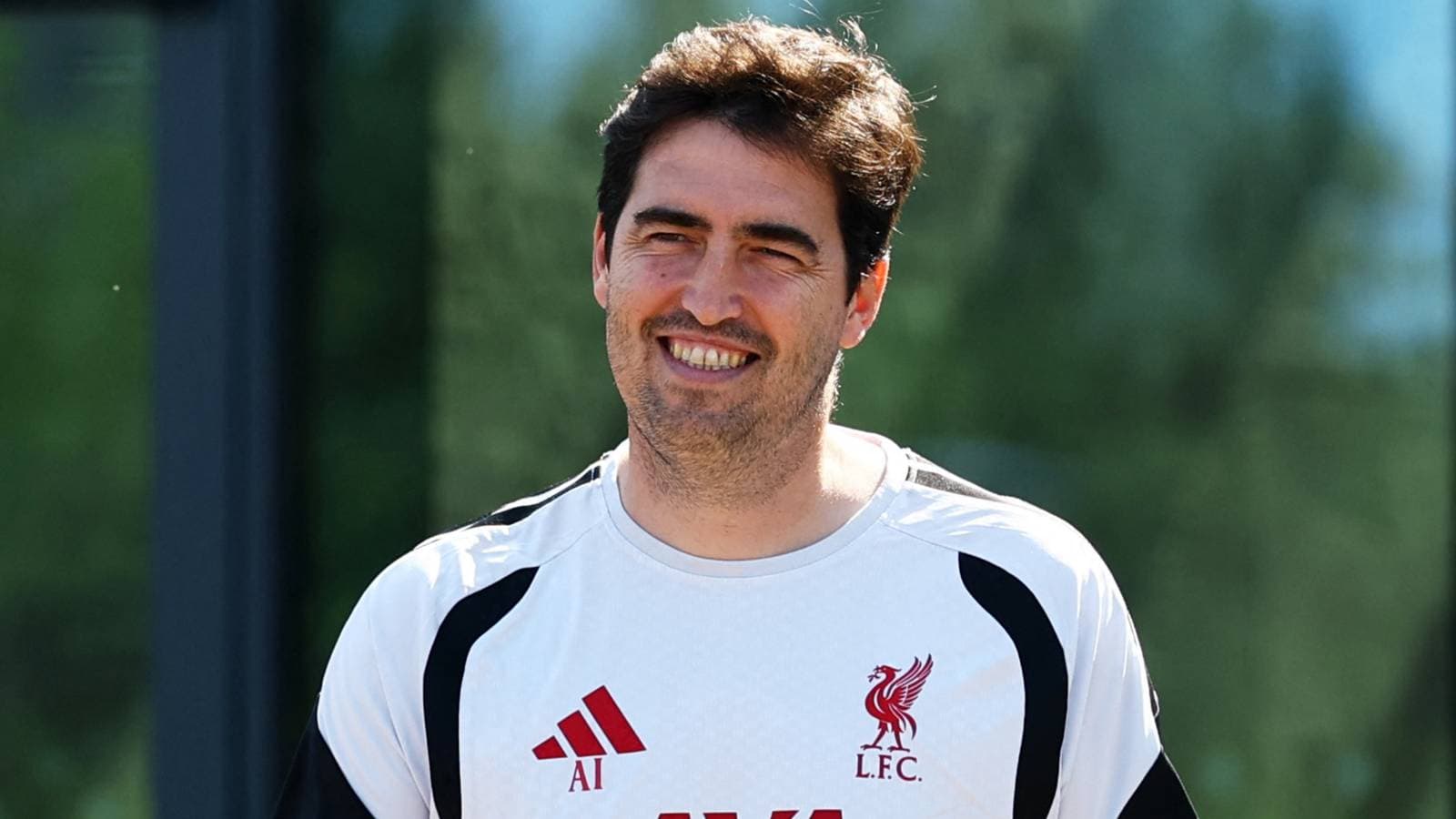
Andoni Iraola needs more to work with across the pitch, not just another forward to polish the one area of the team that already functions.
Bournemouth, O’Neil and Coventry’s rude awakening
Bournemouth have somehow drawn the short straw twice. They’ve started the season as the team that can’t defend set pieces and the side that keeps dropping points from winning positions.
Two games. Two leads. One in the 83rd minute, one in the 90th. One point to show for it.
All three goals conceded have come from defenders. Both equalisers from corners. It’s a cliché bingo card, and Bournemouth have filled it inside a fortnight.
Gary O’Neil, meanwhile, has his own unwanted stat. Ipswich’s heavy defeat at Old Trafford hurt, but not as much as the line that still follows him: he remains the only manager to lose a Premier League game to Frank Lampard since October 2022. Nineteen matches and counting.
Coventry’s return to the top flight has been equally unforgiving. The club looks undercooked off the pitch and underprepared on it. The fixture list hasn’t helped.
They opened away at the champions – the hardest game of the season – then swung straight into what should be their softest home assignment: the Championship play-off winners. No one else has had to pivot their game plan so drastically in the first two weeks.
Next up? Manchester City. It might get uglier before it gets better.
Frank Lampard talks about moving on from “The Basics” to “the details”. The problem is obvious: his players don’t yet look like they’ve mastered either at this level.
The season is barely underway, but the patterns are already visible. Some clubs are building structures. Others are buying stars. The real question, as the window closes, is which approach will still make sense in April, when the table stops lying and the excuses run out.