How Premier League Clubs Are Circumventing the Ban on Gambling Sponsors
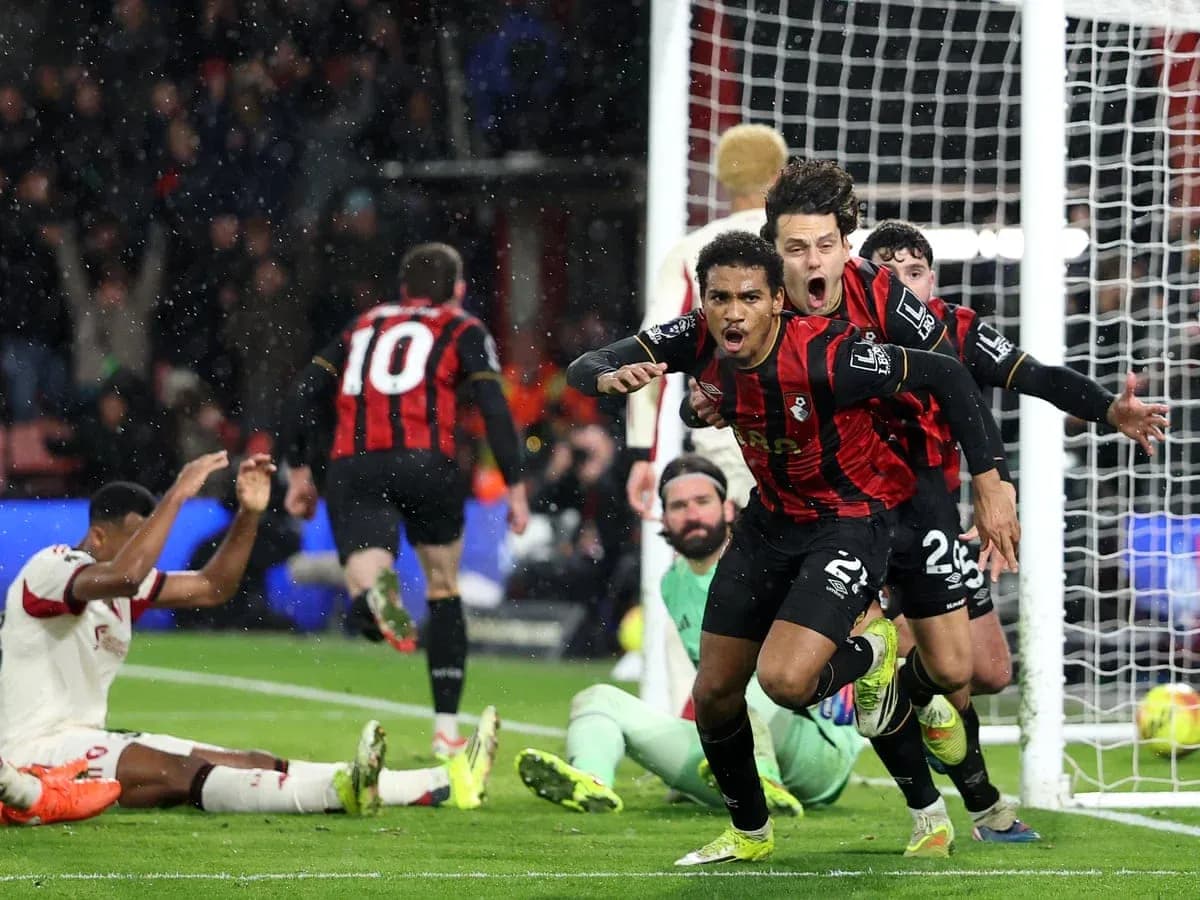
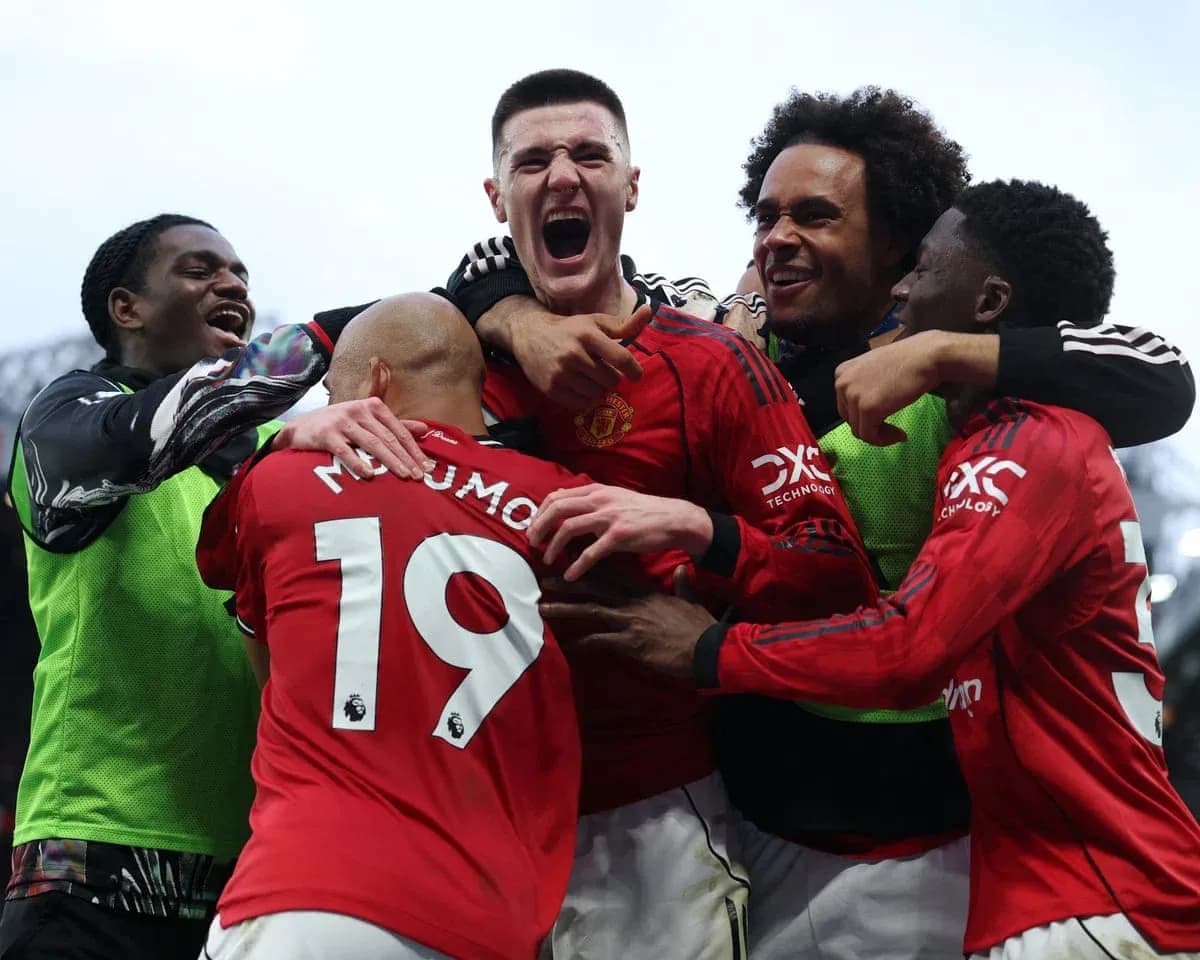
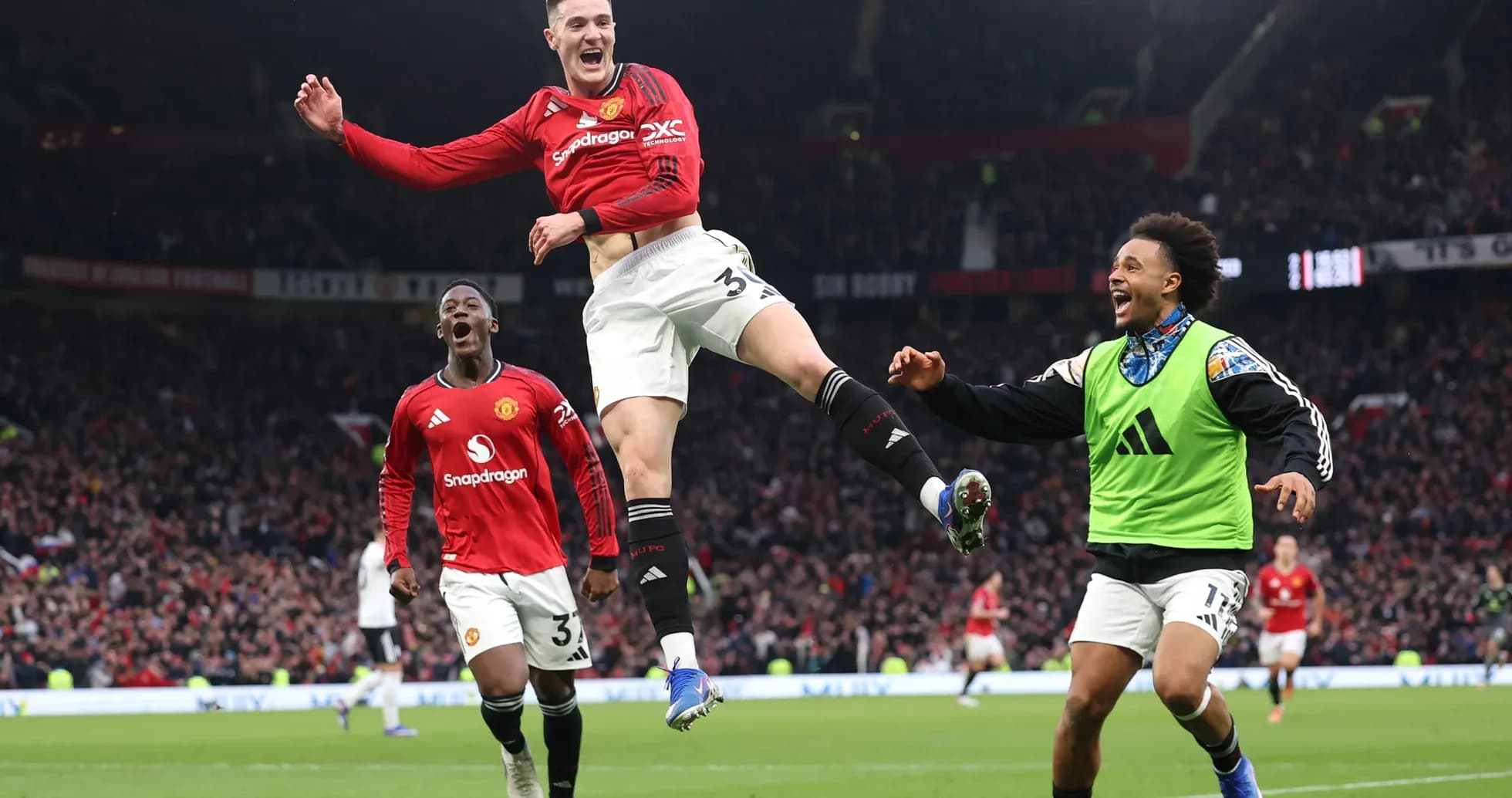
The Premier League has banned betting sponsors from appearing on the front of matchday shirts starting this season, a decision agreed by all 20 clubs. Despite this, big clubs like Manchester United and Tottenham Hotspur have found ways to keep gambling adverts highly visible through other channels.
This new rule is seen as a positive step by campaigners, but the gambling industry's influence remains strong in English football.
Background of the Ban
The ban on gambling logos on the front of shirts was agreed over three years ago, although 18 out of 20 clubs originally opposed a full ban. It officially took effect in the 2026-27 season, allowing time for clubs to adjust.
Previously, many clubs featured betting companies as their main shirt sponsors. Research estimated that in 2024-25, these deals were worth around £104 million collectively among Premier League clubs.
History of Gambling Sponsorship in Football
Gambling sponsorship surged after the 2005 Gambling Act eased restrictions. Tottenham signed an early deal with online casino Mansion in 2006, while Middlesbrough was sponsored by 888. The number of clubs displaying betting brands grew rapidly; by 2019, 28 out of 44 clubs in the Premier League and Championship had gambling sponsors.
The Illusion of Progress
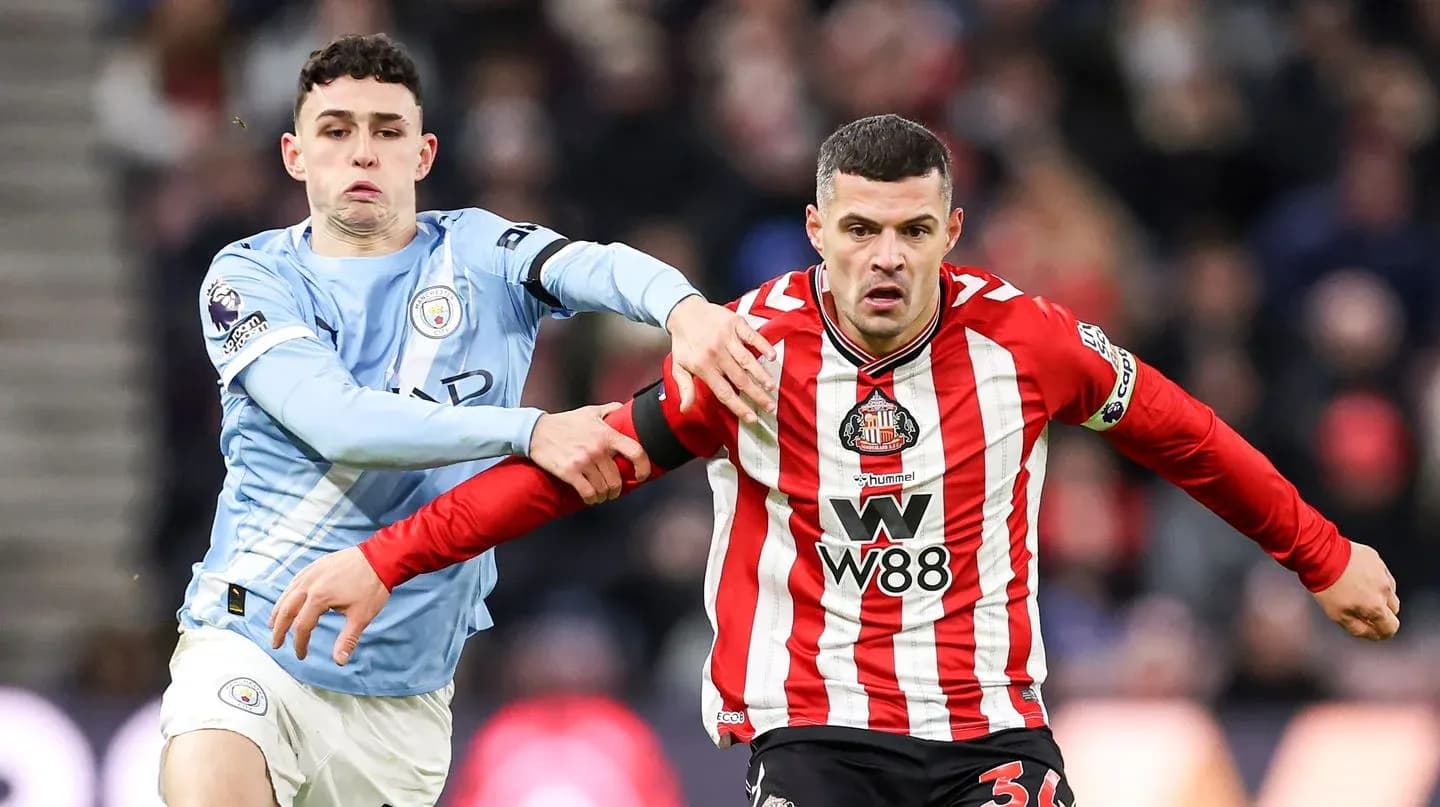
Despite removing logos from front shirts, gambling ads remain widespread. Stadiums are plastered with betting company signs, players’ training gear and pre-match outfits often display gambling logos, and TV broadcasts are still dominated by betting sponsors such as Sky Bet.
Researchers estimated that up to 3,500 gambling logos could appear during a single televised Premier League match before the ban. This makes the removal from shirts seem more symbolic than effective.
"If clubs are allowed to promote near-identical brands elsewhere, it makes a mockery of the whole exercise," said Nick Harvey from the Coalition to End Gambling Ads (CEGA).
Exploiting the Loopholes
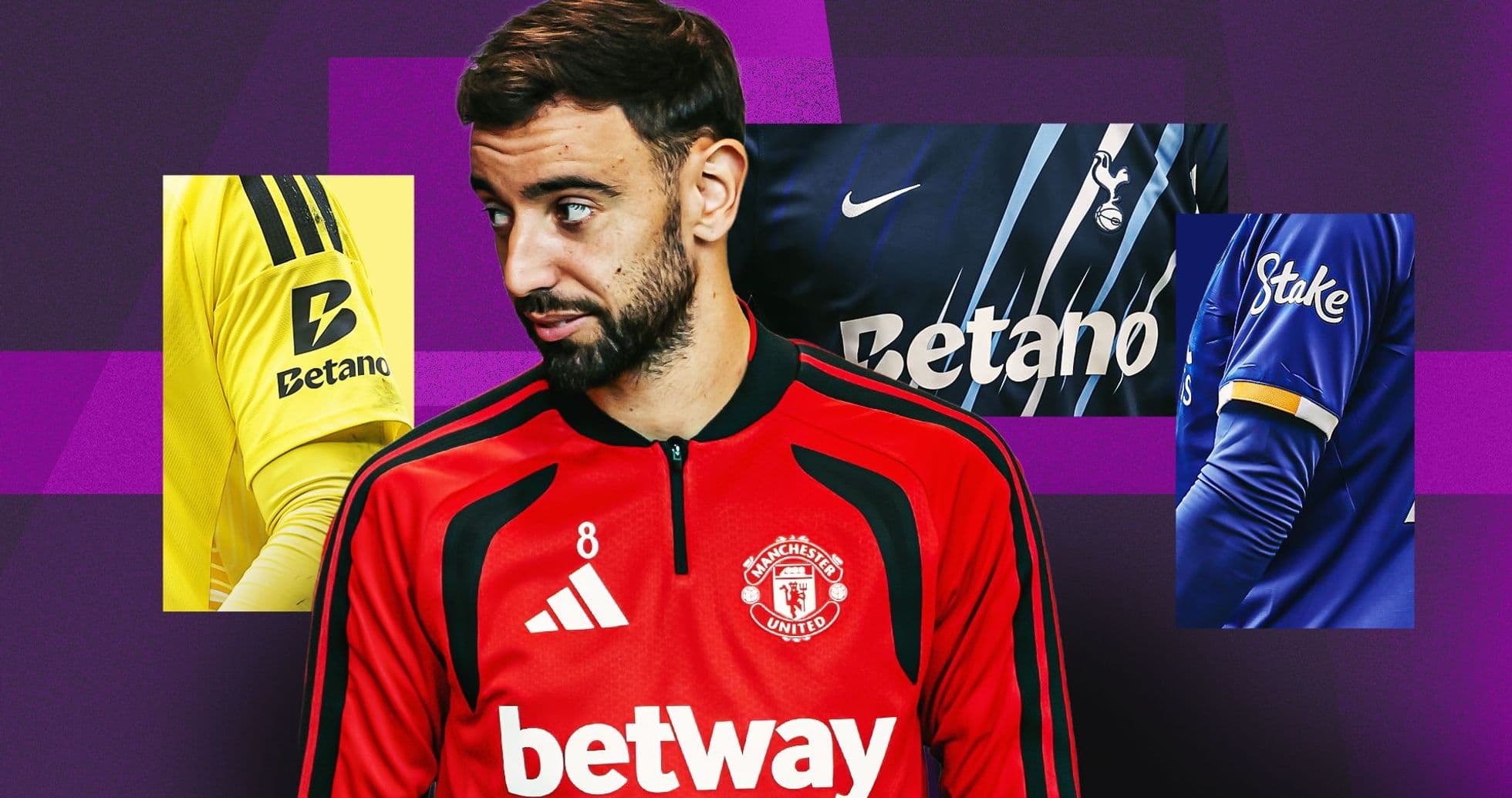
One major loophole allows gambling companies to sponsor sleeves, training kits, and pre-match wear. Manchester United signed a record £20 million-per-year deal with online betting brand Betway for training kit sponsorship, which is larger than many front-of-shirt deals.
Tottenham partnered with Betano for training and pre-match apparel, while clubs like Everton and Aston Villa moved gambling sponsors to sleeve positions. Six Premier League clubs now have gambling firms sponsoring sleeves.
Since pre-match content and training videos attract large audiences, gambling adverts reach viewers regularly outside of match time.
Government Focus on Unlicensed Operators
The Department for Culture, Media and Sport (DCMS) is targeting unlicensed gambling sponsors next. Several Premier League clubs have deals with operators not licensed in the UK, including Stake.com (Everton), SBOTOP (Fulham), and 8XBet, many serving the Asian market.
The DCMS wants to ban unlicensed operators from sponsorships due to links with gambling addiction and financial harm. The Premier League reportedly resists this ban, arguing those services are not available in the UK.
A DCMS spokesperson said: "We welcome the Premier League's voluntary ban on front-of-shirt gambling sponsorship, but we are concerned about unlicensed operators still promoting themselves through other club partnerships."
The Big Step Campaign
The Big Step campaign, led by those affected by gambling harm, has been active for seven years advocating for an end to gambling sponsorship in football. It is part of Gambling With Lives, a community supporting families affected by gambling-related suicide.
Founder James Grimes, a recovering addict who lost £100,000 over 12 years, began walking between stadiums with gambling sponsors to raise awareness.
Grimes told GOAL: "The link between gambling and football used to be hidden but became very visible on shirts and TV ads. As someone recovering, I struggled watching football because of all the gambling advertising."
Criticism of the Loopholes
Grimes condemns the continued visibility of gambling ads on training gear and sleeves despite the ban on front shirts.
"It shows that football and gambling industries will always try to maximize profits, even if it harms people. It's better for society to have healthier fans than promote something known to cause harm," he said."More loopholes will appear unless the government listens to fans and public health experts. The advertising drives more gambling harm, especially among youth."
Contradictions in Football
Several Premier League players have faced bans for betting offences linked to gambling addiction, such as former Brentford striker Ivan Toney and Tottenham's Sandro Tonali.
Toney received an eight-month ban reduced due to his addiction, while Tonali admitted to developing a gambling problem during his youth.
Ironically, Tonali now wears tracksuits bearing the logo of Betano, the same gambling company sponsoring Tottenham’s training kit, highlighting contradictions in the sport.
Small Steps, Bigger Challenges
Though the front-shirt ban marks progress, Grimes says it barely scratches the surface of gambling exposure in football.
"We went from 30 clubs with gambling front sponsors to zero in the Premier League, but it's just a drop in the ocean compared to the amount of gambling messages still present," he said."Football knows gambling harms many people yet prioritizes profit over public health. Still, I’m proud our lived-experience-led effort pushed the Premier League to act at all."