Pacific FC vs Vancouver FC: Tactical Analysis of a Draw
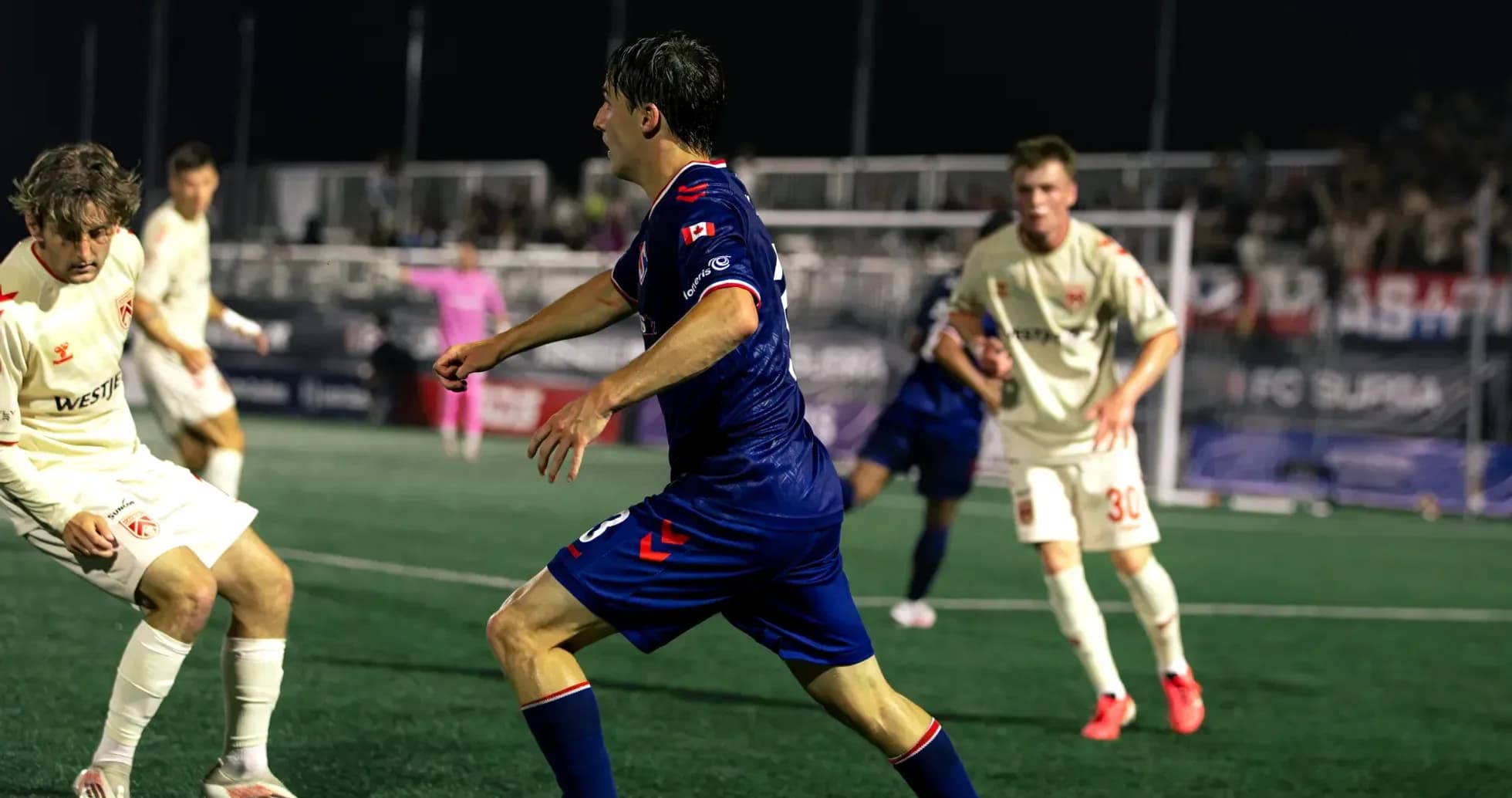
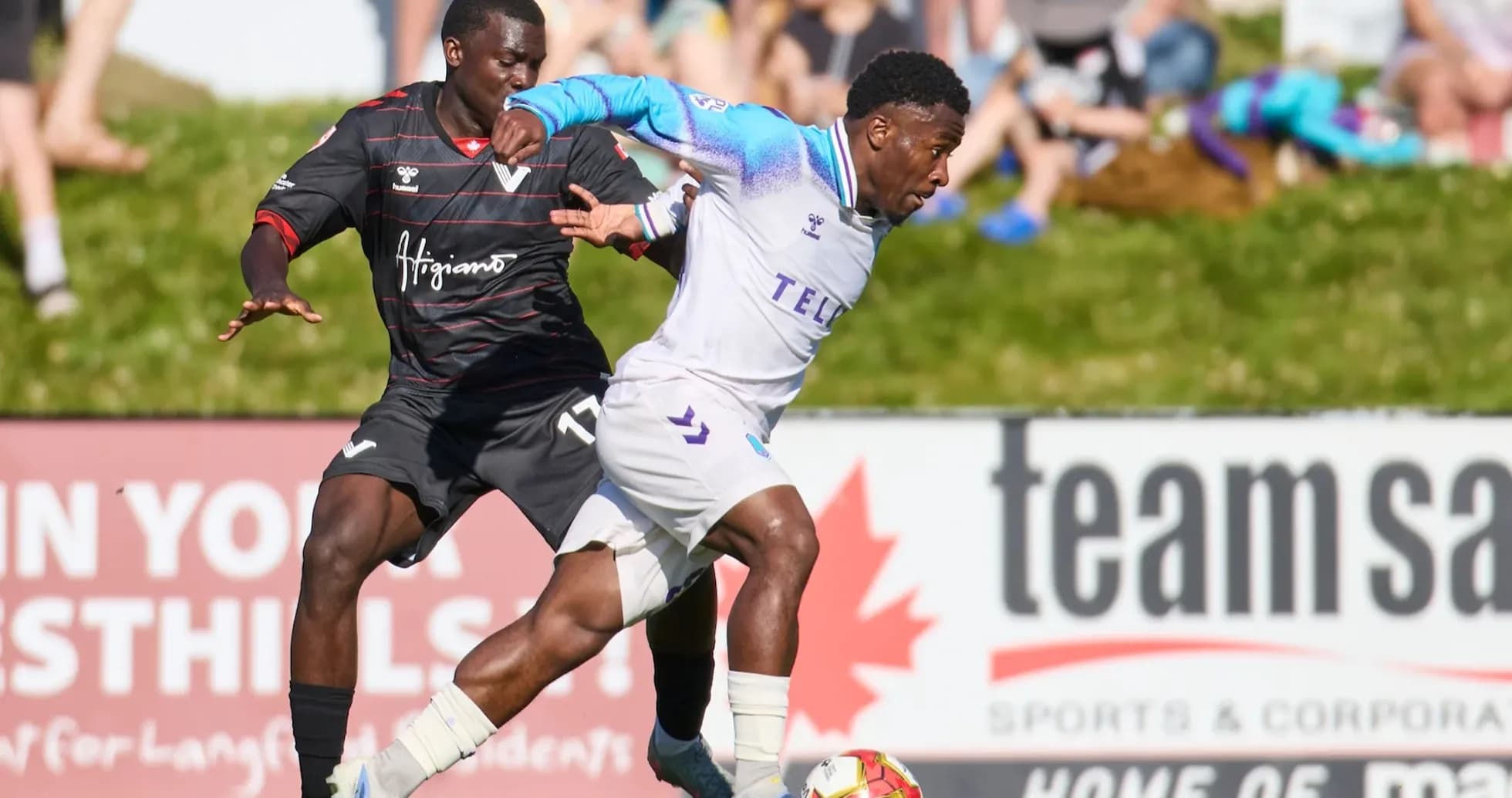
Westhills Stadium had the feel of a crossroads rather than a coronation. Pacific FC, marooned at the foot of the Canadian Premier League table in 8th with 11 points from 22 matches, met a Vancouver FC side sitting 4th with 31 points from 23 games. The 1–1 draw that followed felt less like a dead rubber and more like a tactical case study in how a struggling side can bend its own identity to survive.
Pacific’s season-long story has been brutal in its clarity. Overall they have scored 26 and conceded 44; the goal difference of -18 underlines a team that bleeds too easily, especially late. At home, they had played 12, winning just 1, drawing 3 and losing 8, with 14 goals scored and 22 conceded. Vancouver arrived with a more balanced profile: overall 31 for and 29 against (a goal difference of 2), underpinned by a solid home record and a more fragile away one – on their travels, 3 wins, 2 draws and 7 defeats, with 14 scored and 18 conceded.
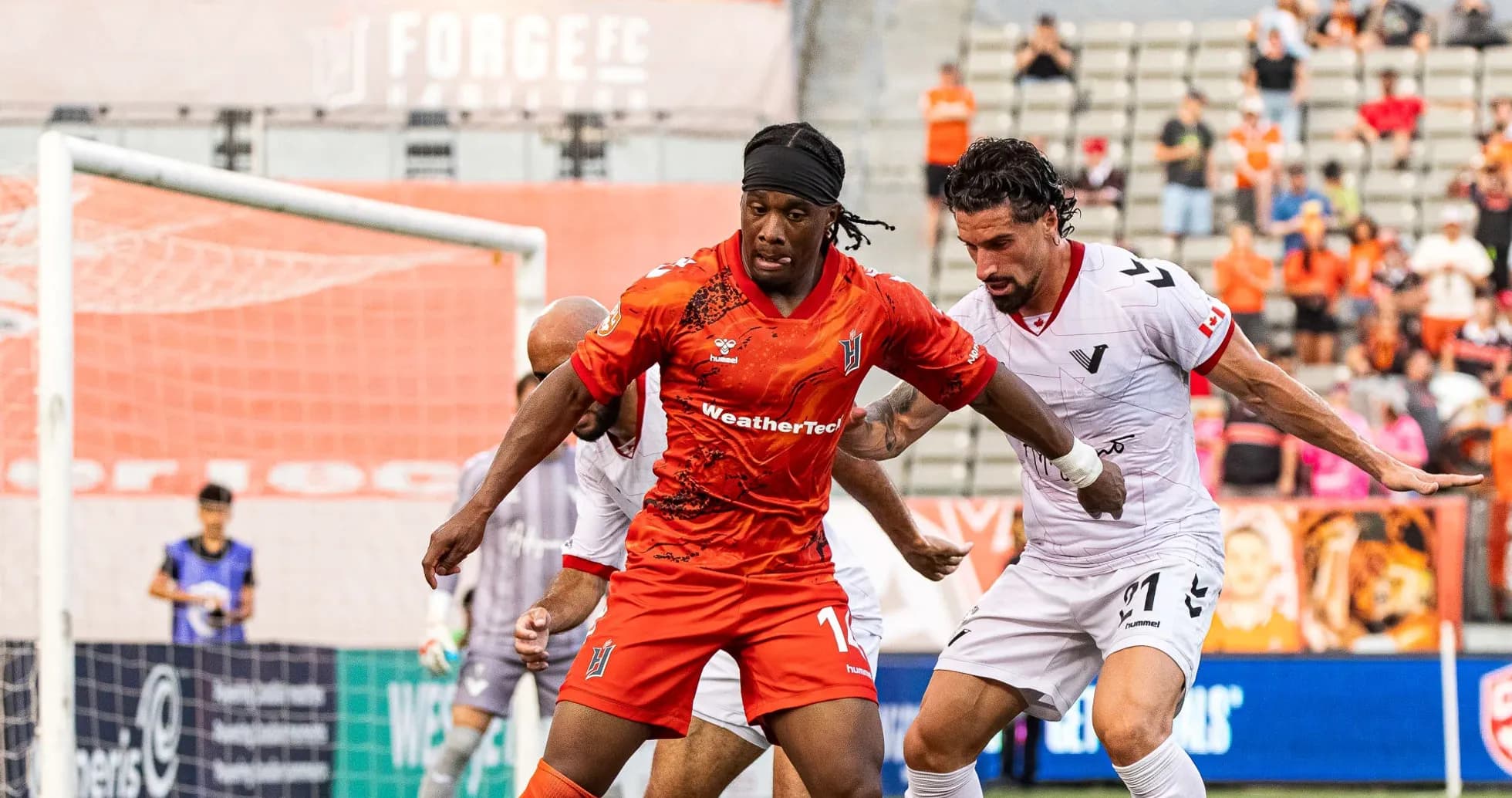
Into that context stepped two very different shapes. Terry Dunfield rolled Pacific into a 4-4-2, an explicit break from their more common 4-2-3-1 that has been used 9 times this season. Thomas Daniels and Reon Kratt led the line, with Marco Bustos and Yann Régis Toualy as wide creators and a double pivot of T. Gomulka and R. Juhmi trying to stitch together possession and protection. Behind them, a back four of K. Chung, J. Quintana, Diego Konincks and Christian Greco-Taylor shielded S. Melvin.
Across from them, Vancouver leaned into their season’s preferred identity: a 4-2-3-1, used 8 times in the league. Terran Campbell started as the lone striker, backed by a band of three in M. Amissi, Marcello Polisi and T. Bah, with Benjamin Lee and L. Toomey sitting as the double pivot. The back four of M. Doner, M. Campagna, Thomas Geoffrey Field and K. Proctor protected C. Irving in goal.
First Half
The first half’s 1–1 scoreline mirrored the league-wide numbers that framed this fixture. Pacific’s goals-for timeline this season shows a steady build: only 10.34% of their goals come in the opening 15 minutes, rising through the half with 20.69% between 31–45 minutes. Vancouver, whose minute-by-minute goal data is not detailed, nonetheless came in averaging 1.3 goals per match overall, with 1.2 on their travels. The opening 45 here played into that equilibrium: neither side able to fully impose themselves, both living within their statistical means.
Where this match became truly intriguing was in how Pacific tried to insulate their greatest structural weakness. This season, 39.02% of their goals conceded have arrived in the 76–90 minute window, on top of a punishing 29.27% between 46–60 minutes. In other words, nearly seven out of every ten goals they concede come after half-time, with a particular collapse in the closing quarter of an hour.
Dunfield’s answer was to compress risk. The 4-4-2 out of possession often flattened into a 4-4-1-1, with one forward dropping to screen Vancouver’s pivots and Toualy tucking in from the left. Konincks, who has quietly been one of Pacific’s most effective two-way defenders this season, was central to that plan. Across the campaign he has blocked 5 shots, made 19 interceptions and won 53 of 84 duels, numbers that speak to a defender comfortable stepping into traffic. Here, his aggression in the inside-right channel was designed specifically to deny Campbell clean touches between the lines.
The “Hunter vs Shield” duel was embodied in two forwards: Alejandro Díaz for Pacific and Campbell for Vancouver. Díaz, one of the league’s more efficient penalty-box forwards with 5 goals from 12 shots and 3 penalties scored this season, began on the bench. His introduction in the second half (A. Díaz replaced one of the starting forwards) was the moment Pacific shifted from mere survival to active threat. With Díaz on, Pacific could threaten the spaces behind Vancouver’s full-backs, who had been stepping high to support Bah and Amissi.
Campbell, Vancouver’s top scorer with 4 league goals, found himself wrestling not just with Konincks and Quintana, but with the structural reality that Vancouver’s away attack averages only 1.2 goals per game. The 4-2-3-1 gave him support in theory, but in practice he was often isolated, forced to drop deeper where Polisi and Bah were already doing much of the connective work.
If Campbell was Vancouver’s spear, then Polisi and Bah were the hinge. Polisi, who has 6 yellow cards this season, again walked the line between control and risk. His 456 passes at an 85% completion rate underline his role as the metronome, but his 13 fouls committed show how often he has to break rhythm to snuff out counters. Opposite him, Juhmi played the enforcer for Pacific. With 6 yellow cards and 16 fouls committed this season, he is a classic spoiler, and his presence allowed Bustos and Toualy to stay higher in transition.
Engine Room Duel
The “Engine Room” duel between these midfields was as much about discipline as distribution. Pacific’s season-long card map shows a late-game spike: 26.19% of their yellows come after the 90th minute, with a remarkable 66.67% of their reds shown between 76–90 minutes. Vancouver’s yellows peak between 76–90 minutes as well, at 23.68%. This match, then, always risked descending into a late, scrappy contest. The fact that it did not spiral into chaos was a small tactical victory for both coaches.
From a statistical prognosis perspective, the 1–1 draw feels almost inevitable. Pacific’s overall scoring rate of 1.2 goals per match and concession rate of 2.0 set an expectation of them needing to overperform defensively to get anything. Vancouver’s balanced 1.3 scored and 1.3 conceded overall, coupled with their weaker away numbers, suggested they were unlikely to run away with it in Langford.
Pacific’s clean-sheet record – just 1 overall this season, and none at home – made a shutout improbable. Vancouver’s 3 clean sheets overall, only 1 away, likewise made it unlikely they would completely smother the hosts. A shared scoreline sat right in the middle of those probabilities.
Following this result, Pacific remain a side defined by fragility but not resignation. The shift to 4-4-2, the reliance on Konincks’ defensive presence, the late deployment of Díaz and the creative burden on Toualy and Bustos all point to a team trying to reconcile their attacking instincts with the necessity of damage limitation. Vancouver, for their part, leave Langford as a team whose ceiling is visible but not yet fully reached: structurally sound, individually dangerous through Campbell, Bah and Amissi, but still searching for the ruthless edge on their travels that would turn draws like this into the wins a top-four side craves.