NWSL Women: San Diego Wave vs Bay FC Tactical Duel
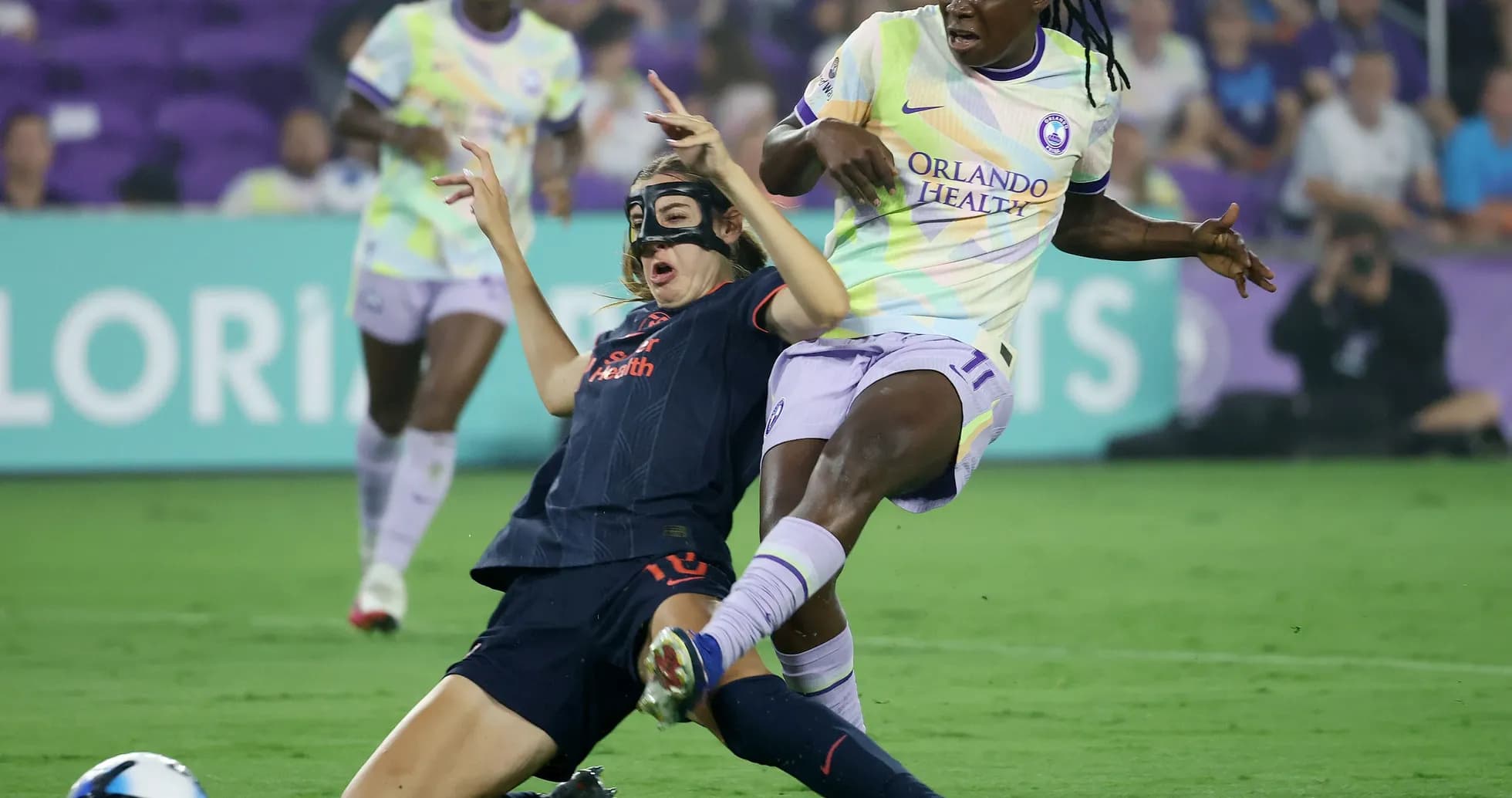
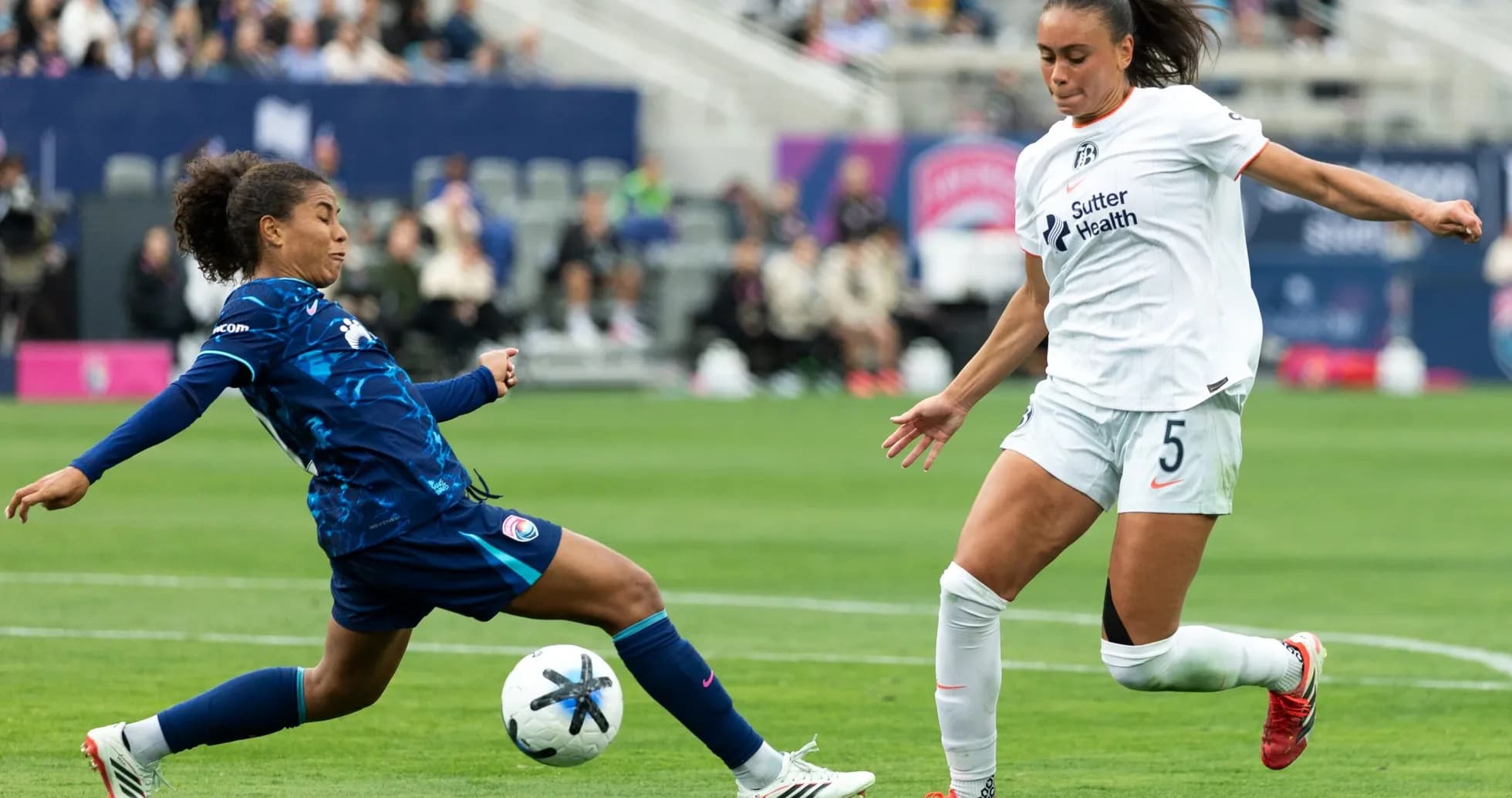
Snapdragon Stadium under the lights, a cool San Diego evening, and a Group Stage tie in the NWSL Women that felt far more like a playoff dress rehearsal than a routine league date. Following this result, San Diego Wave W’s 1–0 home defeat to Bay FC was a jarring reminder that a side sitting 3rd in the table with 15 points and a positive goal difference of 3 can still be outmanoeuvred by a 10th‑placed visitor whose overall goal difference sits at -3.
I. The Big Picture – Styles Collide
San Diego came in with a clear seasonal identity: front‑foot, high‑tempo football. Overall this campaign they have scored 11 goals in 8 matches, averaging 1.4 goals per game, and conceding 8 at an average of 1.0. At home, that profile tightens into a controlled, almost minimalist approach: 5 goals for and 3 against in 4 matches, with home averages of 1.3 scored and 0.8 conceded. They have never drawn this season; it is all‑or‑nothing football – 5 wins, 3 losses.
Bay FC arrived with a more volatile profile. Overall they have 7 goals for and 10 against in 6 games, averaging 1.2 scored and 1.7 conceded. On their travels, though, they are far more dangerous: 4 away goals and 4 conceded in 3 matches, averaging 1.3 scored and 1.3 conceded, and winning 2 of those 3. Where San Diego’s numbers suggest controlled aggression, Bay’s hint at a knife‑edge chaos that can tilt either way.
The lineups told the story of intent. Jonas Eidevall went 4‑3‑3, trusting his now‑familiar attacking trident of Gabi Portilho, Ludmila and Dudinha ahead of a midfield three of L. E. Godfrey, K. Dali and L. Fazer. Emma Coates answered with a 4‑2‑3‑1, a double pivot of H. Bebar and C. Hutton shielding a back four, with T. Huff, D. Bailey and the roaming threat of R. Kundananji operating behind central forward K. Lema.
II. Tactical Voids – Discipline and Margins
With no listed absentees on either side, this was as close to full strength as the data suggests. That only heightened the sense that this was a pure tactical duel rather than a patched‑up survival act.
Across the season, San Diego’s disciplinary profile has been relatively calm. Their yellow cards cluster late: 40.00% between 46–60 minutes, and then an even spread of 20.00% across 61–75, 76–90 and 91–105. It paints the picture of a side that grows more combative as game states tighten, but without tipping into chaos – they have no red cards in the league.
Bay FC are the opposite: a team that lives on the disciplinary edge. Their yellow cards spike late, with 21.43% between 76–90 minutes and a remarkable 28.57% from 91–105. They also have a red card in the 91–105 band, a stark sign of how combustible their closing phases can be. Players like K. Lema and C. Hutton, each with 2 yellow cards this campaign, embody that risk‑reward edge in the press and counter‑press.
In this match, Bay managed to harness that aggression without imploding. The 1–0 scoreline, with Bay leading 1–0 at half‑time and preserving that advantage through 90 minutes, suggests a side that learned from earlier late‑game indiscipline and chose control over chaos.
III. Key Matchups – Hunter vs Shield, Engine Room vs Enforcer
The headline duel was always going to be San Diego’s attacking “hunter” unit against Bay’s defensive shield.
For San Diego, the creative and scoring burden has increasingly fallen on two names: L. E. Godfrey and Dudinha. Godfrey, a central midfielder with 4 goals and 1 assist in 8 appearances, has been one of the league’s most efficient operators: 145 passes at 82% accuracy, 10 key passes, and a tidy defensive contribution of 6 tackles and 5 interceptions. She is the connector, the one who turns San Diego’s possession into penetration.
Ahead of her, Dudinha has emerged as the Wave’s chaos agent. With 2 goals and 3 assists, 14 shots (7 on target) and 27 dribbles attempted with 14 successful, she offers direct running and final‑third incision. Her 12 key passes and 65 total duels (31 won) underline a winger‑creator hybrid who thrives in broken play.
Against them, Bay’s shield was anchored by C. Hutton and the centre‑back pairing of A. Cometti and J. Anderson. Hutton’s season numbers are quietly elite for a young midfielder: 212 passes at 74% accuracy, 13 tackles, 13 interceptions and 2 blocked shots. She is not a destroyer in the classic sense, but a reading‑of‑the‑game specialist who closes lanes before they become threats. Her 2 yellow cards show she will step across the line when needed.
Behind her, Cometti and Anderson form a pragmatic axis. Bay’s away record – 4 goals conceded in 3 matches, an away average of 1.3 – is not miserly, but it is solid enough given the attacking burden they shoulder. In this game, they repeatedly forced San Diego’s front three into wide, low‑percentage shots and crosses rather than central, high‑value chances.
On the other side of the ball, Bay’s “hunter” was a collective front four. T. Huff, who has 1 goal and 1 assist from midfield and has already walked the disciplinary tightrope with a yellow‑red combination on her record, operated between the lines. Her 49 duels (27 won) and 9 dribble attempts with 6 successes speak to a player who can both carry the ball through pressure and scrap when possession is lost.
Alongside her, D. Bailey and Kundananji looked to drag San Diego’s full‑backs into uncomfortable spaces, particularly testing P. Morroni. Morroni, who has 3 yellow cards this season and sits atop the league’s caution list, is a high‑intensity, high‑risk left‑back: 22 tackles, 2 blocked shots and 6 interceptions, but also 13 fouls committed. Bay’s wide rotations forced her into repeated decision‑making – step out and risk space in behind, or hold and allow crosses. Over 90 minutes, Bay’s insistence on that flank duel helped tilt territory in their favour.
IV. Statistical Prognosis – xG Story in Disguise
While explicit xG numbers are not provided, the season data allows a reasonable inference of the underlying shot quality battle. San Diego, with 1.4 goals scored and 1.0 conceded per game overall, typically win the expected‑goals race by volume and territory, especially at home where they concede just 0.8 on average. Bay, with 1.2 scored and 1.7 conceded overall, usually live on the wrong side of xG.
This match felt like an inversion of those trends. Bay’s 1–0 win, earned by scoring before half‑time and then strangling the game, aligns more closely with their away persona – efficient, opportunistic, and comfortable suffering without the ball. San Diego, who have already failed to score in 3 matches overall this season, bumped that total again here; the pattern of their campaign suggests that when the first wave of pressure does not bring an early breakthrough, they can become predictable.
Given San Diego’s clean‑sheet count (2 overall) and Bay’s lone shutout away from home, the pre‑match model would have leaned toward a narrow Wave victory, perhaps a 1–0 or 2–1, with San Diego edging xG through sustained pressure and Bay threatening in transition. Instead, Bay executed the away‑day blueprint San Diego usually impose on others: score once, compress space, and lean on a disciplined, if combative, block.
Following this result, the tactical lesson is clear. San Diego’s 4‑3‑3, powered by Godfrey and Dudinha, remains one of the league’s most potent structures, but when opponents like Bay can neutralise the central lanes through players such as Hutton and Cometti, the Wave need a secondary pattern – a Plan B that goes beyond sheer volume of crosses and individual dribbling.
Bay, meanwhile, leave Snapdragon Stadium with more than three points. They depart with proof that their 4‑2‑3‑1, under Emma Coates, can travel, hold its nerve, and bend a game’s expected‑goals story to their will. In a Group Stage that already feels like a prelude to knockout football, that might be the most important data point of all.