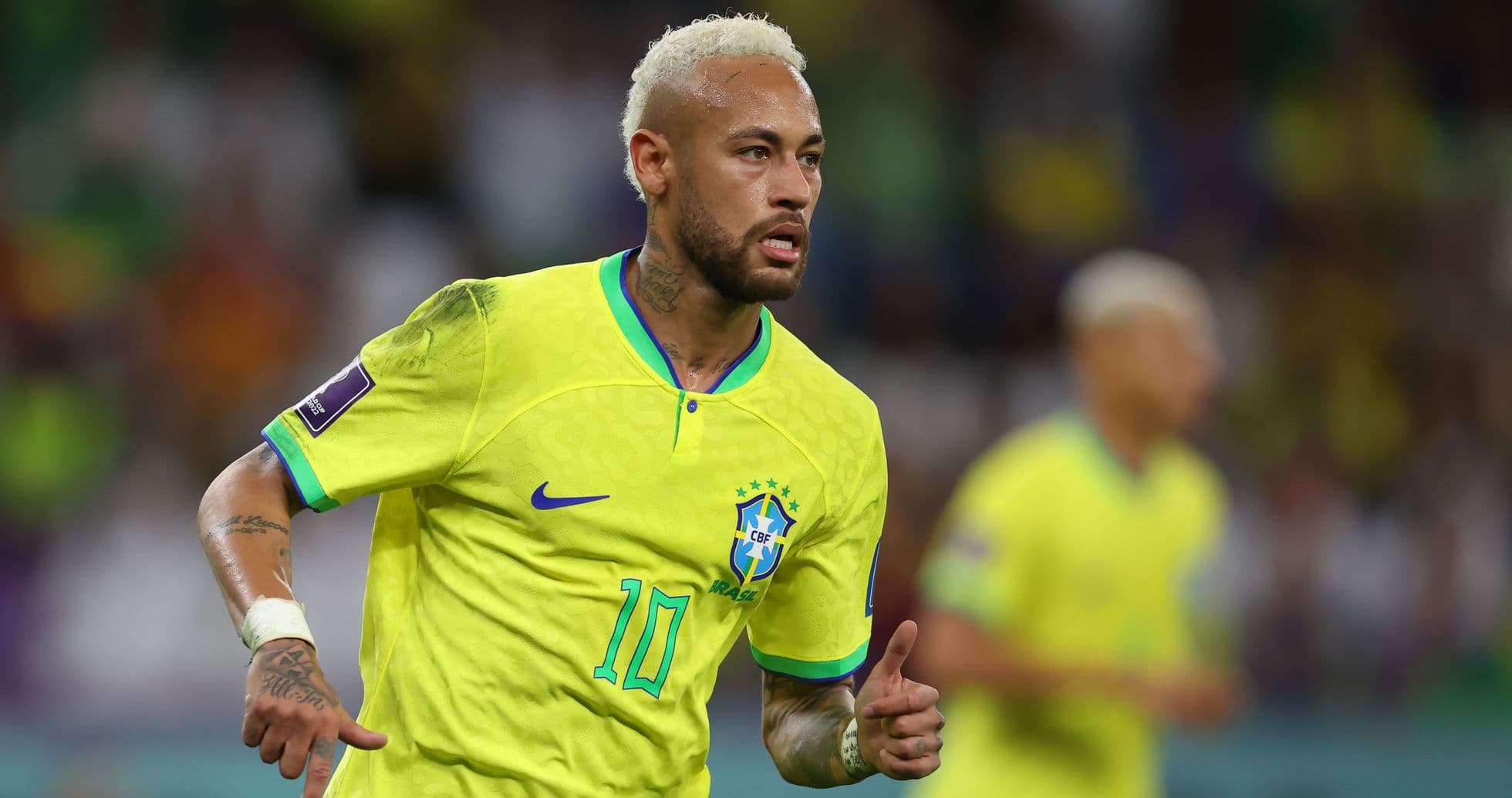
Neymar's Return to Brazil National Team: A Glorious Last Dance or a Decline?
Carlo Ancelotti knew exactly what he was doing.
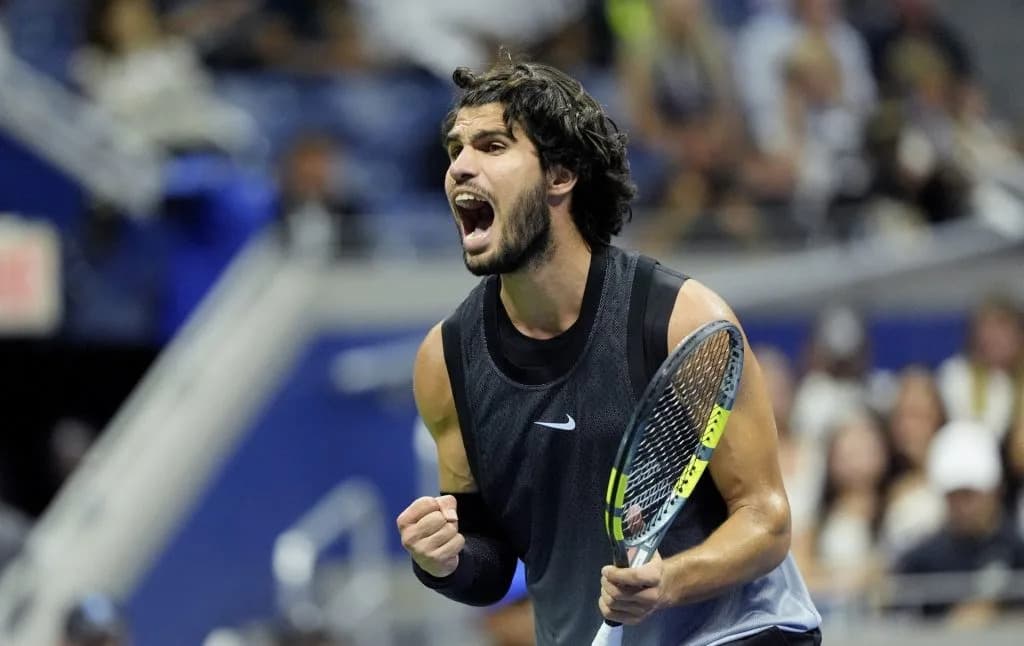
By writing Neymar’s name onto his 2026 World Cup squad list, the Brazil coach didn’t just recall a 34-year-old forward after three years in international exile. He lit a fuse under the global game’s most combustible debate: is this a last, glorious dance for a generational talent, or a sign that the five-time world champions have lost their way?
At first, the reaction in Brazil was emotional, almost nostalgic. A country that grew up on his flicks and feints rushed to embrace the idea of Neymar back in yellow on the biggest stage of all. Social media filled with highlight reels and throwback clips. The soundtrack was clear: one more time.
Then the noise changed.
From celebration to “freak show”
Among the harshest critics stands Christophe Dugarry, a World Cup winner with France in 1998 and never one to pull punches. For him, the fanfare around Neymar’s return is not just misguided. It is grotesque.
He has called the whole thing a “freak show”, a phrase loaded with contempt for what he sees as a circus around a fading star and a diminished national team. In his eyes, the applause is laced with ridicule.
Dugarry points to the snide comments already swirling around the forward’s comeback: the jibes about injuries before the tournament even begins, the digs about his weight, the sense that people are waiting for him to fail rather than to shine. That, he argues, turns Neymar from icon into spectacle.
It’s not just the crowd he blames. He believes Neymar himself is feeding the narrative, leaning into a role that undermines his own legacy.
A symptom of something deeper
For Dugarry, this is not simply a question of whether a 34-year-old with a battered fitness record can still influence matches. It is a verdict on where Brazil stand as a footballing power.
His assessment is brutal: if the Selecao are leaning again on a player he considers past his peak, then something fundamental has eroded — either the depth of the talent pool or the clarity of the project.
In his view, picking Neymar does not signal ambition. It exposes decline. He frames the decision as proof of how far Brazil have “fallen”, a desperate reach for a name rather than a solution. The idea that Neymar could now be treated as just another squad player, a cog in the machine rather than the machine itself, he dismisses as pure delusion.
He simply does not believe the forward can still bring anything meaningful to this team.
The clock starts at Granja Comary
The argument will not be settled in studios or on airwaves. It will be settled on the grass.
On May 27, Ancelotti’s squad will gather at Granja Comary, the national team’s training base, and the spotlight will narrow. Every sprint, every touch, every grimace from Neymar will be dissected for signs of sharpness or decline. The margin for error is thin. The scrutiny is suffocating.
Brazil’s first public glimpse of this new-old era comes four days later, at the Maracana, in a friendly against Panama on May 31. For some, it will be a celebration: Neymar back in the stadium where Brazilian legends are made and unmade. For others, it will be an examination, a test of whether the romance has any tactical or physical foundation.
Then comes the real thing.
The Selecao head to North America for a World Cup in which expectation, as always, will be measured in trophies, not performances. Ancelotti’s side will face Morocco, Haiti and Scotland in Group C, a section that on paper offers room to breathe but in reality leaves no space for doubt. Any misstep will be framed through the decision that has already divided a nation.
If Neymar dances again, Brazil may ride the wave of emotion deep into the tournament. If he stumbles, the questions Dugarry is asking now will echo even louder: is this about one man’s last chance, or a country struggling to find its next great team?