New Zealand's World Cup Journey: Chris Wood and the All Whites' Challenge
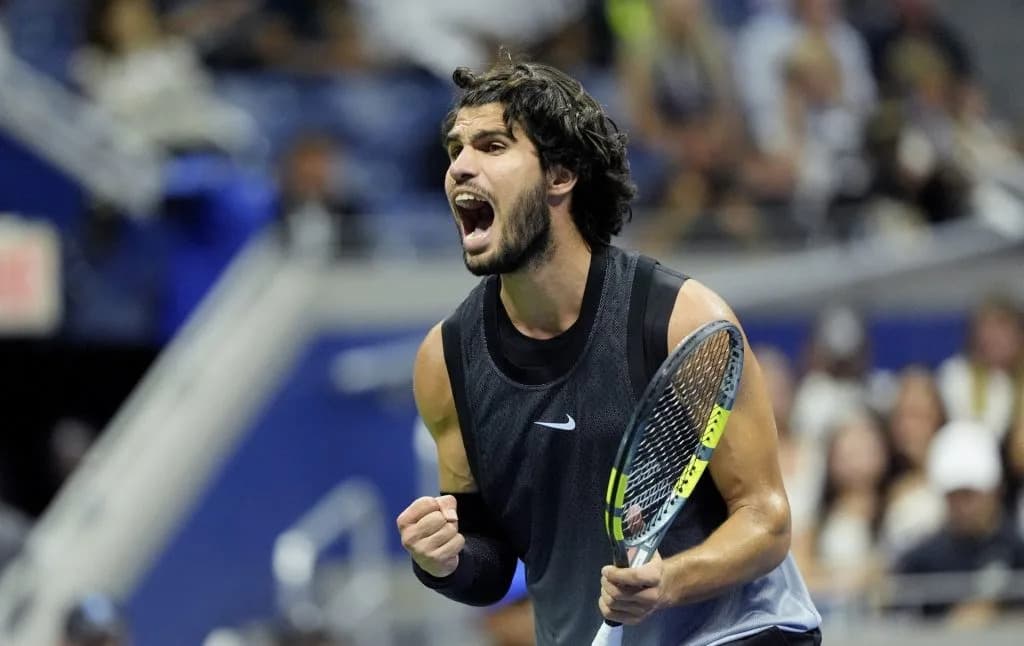
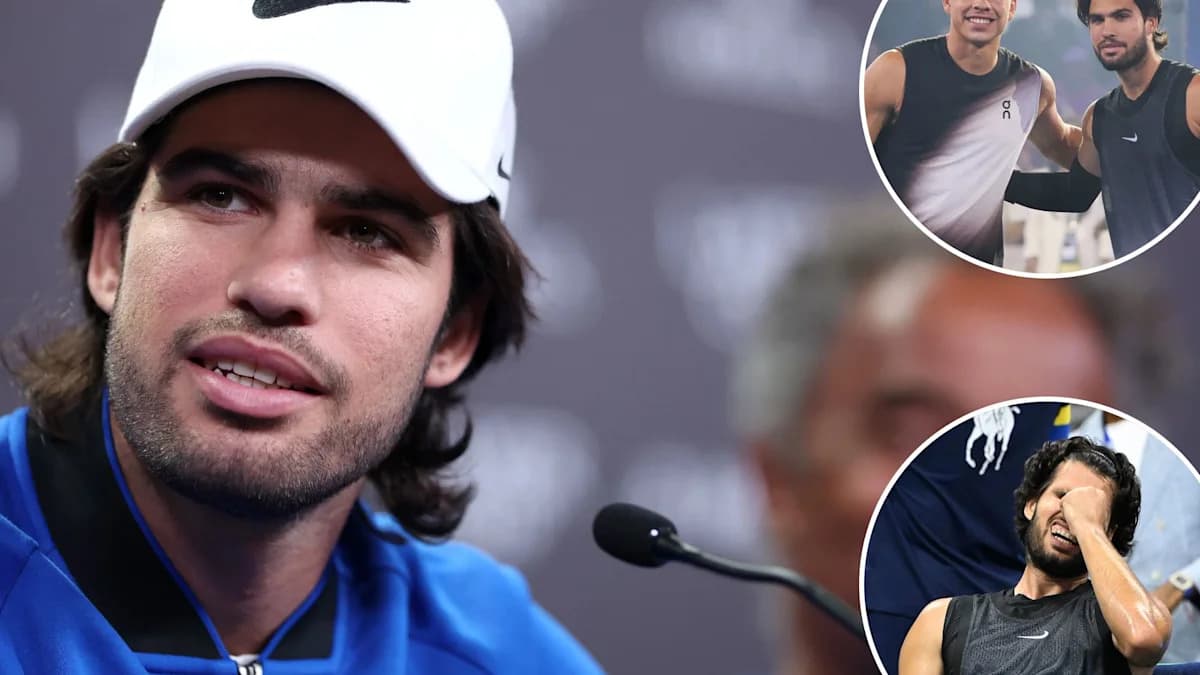
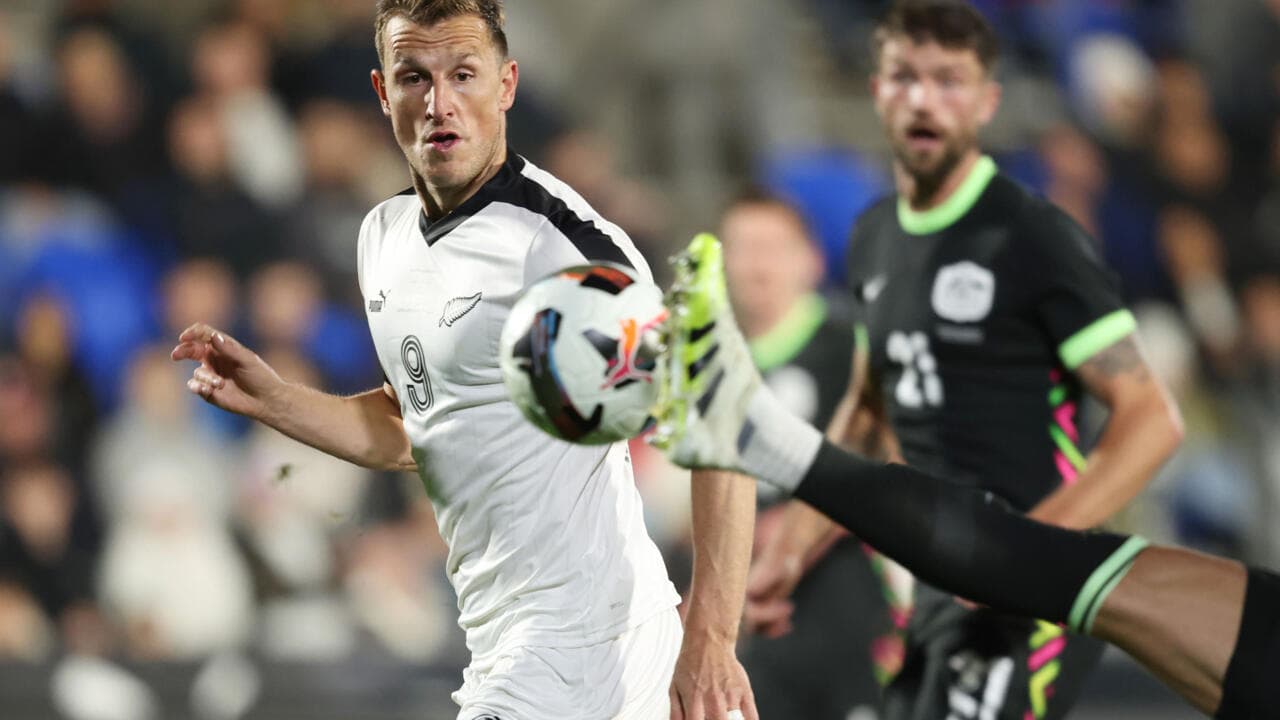
Chris Wood, scarred knee and all, will walk out as the face of the World Cup’s rank outsiders.
New Zealand, marooned at 85th in the FIFA rankings and bottom of the 32-team pile, are heading to the United States, Canada and Mexico with a striker who has seen it all – from late cameos in South Africa in 2010 to a late-season fightback with Nottingham Forest after a serious knee injury.
Now 32, Wood has 45 goals in 88 internationals. He is the All Whites’ spearhead and their emotional anchor.
“It’s been a long time, 16 years, since we’ve been in the World Cup,” he said via video link at the squad announcement in Auckland. “I can’t wait to share the moment with this team and hopefully create some history. I hope that we can do everybody proud and show the world what we’re capable of.”
That is the challenge. Group G reads like a warning sign: Iran in Los Angeles on June 15, then Egypt and Belgium in Vancouver on June 22 and 27. New Zealand are the minnows in every sense.
And yet this is a team with a peculiar World Cup history. On debut in 1982, they lost all three games in Spain. Brutal, predictable, over quickly. In 2010, they didn’t lose at all – three draws, including a famous 1-1 against holders Italy and stalemates with Slovakia (0-0) and Paraguay (1-1). Unbeaten and still on the plane home after the group stage. A curiosity in World Cup folklore.
This time, coach Darren Bazeley is trying to blend that memory of stubborn resistance with a fresher, more European-tuned core.
Wood up front, Europe in the engine room
Wood’s fitness had been a major concern. A knee injury wiped out most of his Premier League season with Forest and cast doubt over his World Cup. He returned a month ago. For New Zealand, that felt less like good news and more like a reprieve.
Around him, Bazeley has built a midfield that, on paper at least, can live with higher-ranked opposition. Joe Bell of Viking FK, Marko Stamenic of Swansea City, Matt Garbett of Peterborough United and Ryan Thomas of PEC Zwolle form the technical heart of the side. They are the players expected to get Wood the service he thrives on and to keep New Zealand’s shape when the pressure comes, as it surely will, in waves.
Sarpreet Singh and Alex Rufer bring familiarity and continuity from Wellington Phoenix, while Ben Old, at Saint-Etienne, adds another line of European experience. It is not a star-studded group, but it is a far cry from the days when almost the entire squad came from domestic semi-professional football.
Ten of the 26 are drawn from the Australian A-League, eight of them at Auckland FC and Wellington Phoenix. That domestic spine matters. It gives Bazeley a core that has played together, trained together, suffered together.
A surprise from the fifth tier
The name that jumps off the page, though, is Tommy Smith.
At 36, the defender is back on the World Cup stage after starting all three matches in South Africa 16 years ago. He now plays in the fifth tier of English football with Braintree Town. On club form alone, few would have expected him here.
Bazeley, though, sees a different value.
“With a squad of 26, not everybody is going to play,” the coach said. “So we added Tommy because his leadership is great. He’s going to be so important for the players keeping everybody on track. We’ll lean on him a lot.”
It is a clear statement: this is a group built not only for 90 minutes at a time, but for the long weeks of travel, training and tension that define a World Cup. Smith is there to steady the room as much as the back line.
Around him, the defence draws on a scatter of leagues and roles. Tyler Bindon is on the books at Nottingham Forest. Michael Boxall brings MLS experience from Minnesota United. Liberato Cacace, now at Wrexham, offers thrust from the flank, while Tim Payne and Finn Surman arrive from Wellington Phoenix and Portland Timbers respectively. Nando Pijnaker, Francis de Vries and Callan Elliot, all from Auckland FC or the A-League, complete a unit that will spend long stretches under siege.
Behind them, Max Crocombe (Millwall), Alex Paulsen (Lechia Gdansk) and Michael Woud (Auckland FC) will fight for the gloves in a position where New Zealand cannot afford a weak link.
From Oceania to the world
New Zealand booked their ticket by winning the Oceania qualifying series in March, a familiar route through a confederation that offers few genuine tests. The step up now is enormous. Iran’s tournament nous, Egypt’s pedigree and Belgium’s depth pose three very different examinations.
Up front, Bazeley has more than just Wood to call upon. Kosta Barbarouses, the veteran of Western Sydney Wanderers, offers guile and movement. Elijah Just (Motherwell), Callum McCowatt (Silkeborg IF), Jesse Randall (Auckland FC) and Ben Waine (Port Vale FC) round out a forward line that mixes raw energy with hard miles in Europe’s lesser-known corners.
This is not a squad built to dominate the ball. It is built to hang in games, to pounce on moments, to cling to the thin margins that define tournament football for underdogs.
New Zealand’s World Cup story has always been about defiance rather than glamour. In 1982, they learned how cruel the stage can be. In 2010, they showed they could stand toe to toe and refuse to lose.
Now, with a seasoned Premier League striker up front, a fifth-tier veteran back for one last dance, and a generation of Europe-schooled midfielders in between, the All Whites arrive again as the lowest-ranked side in the tournament.
The question, as they head for Los Angeles and then Vancouver, is simple: will they just be making up the numbers, or are they ready to rewrite their place in World Cup history?