New York City II Tops Chicago Fire II in Pivotal MLS Next Pro Clash
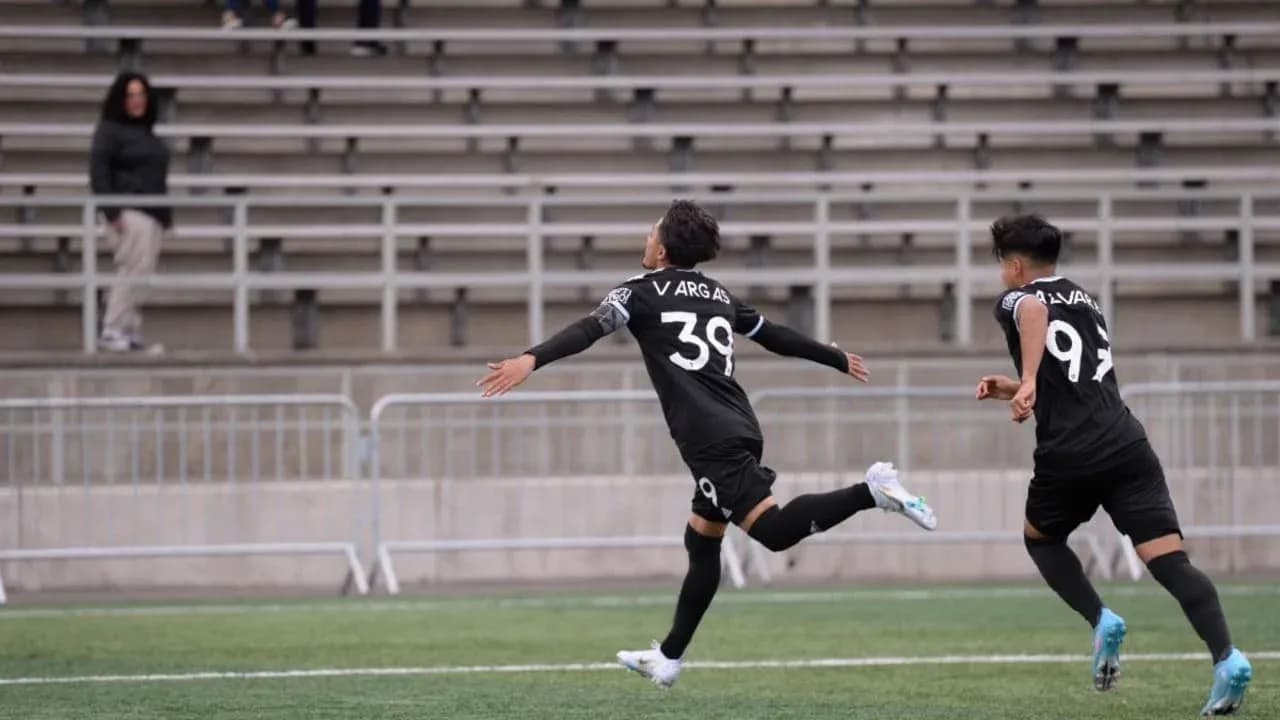
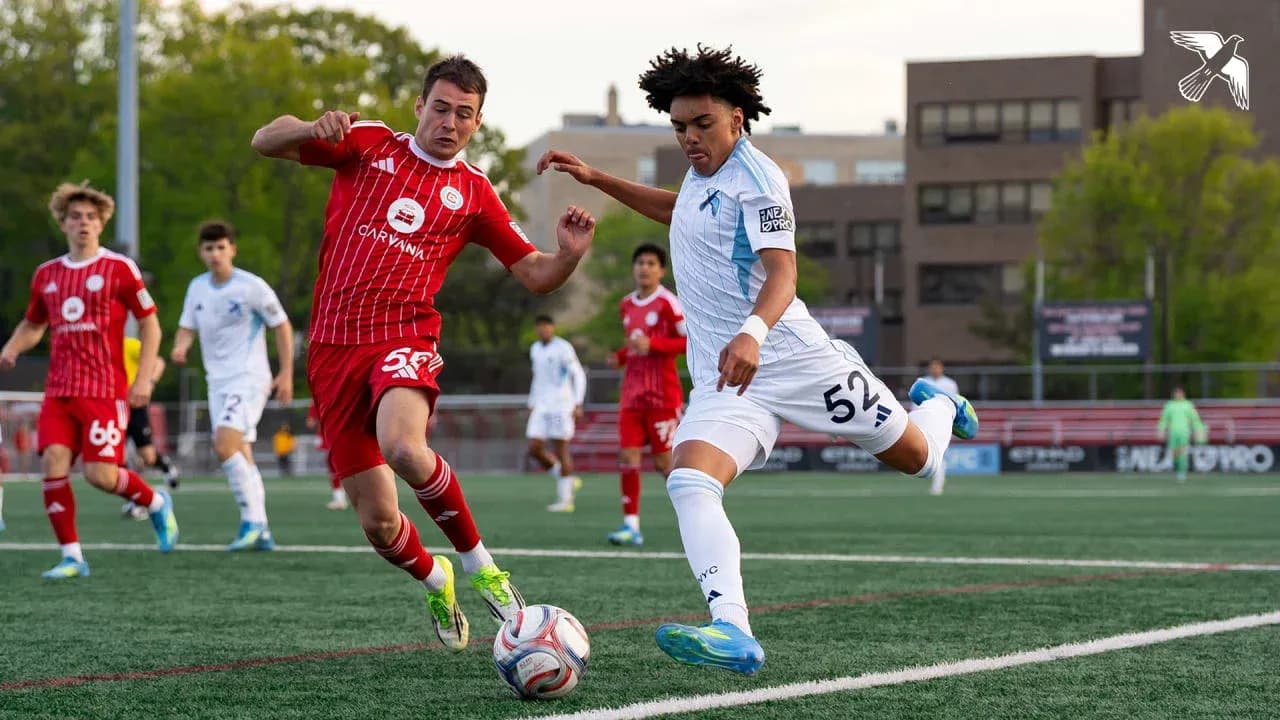
Belson Stadium under the New York lights staged a quietly pivotal MLS Next Pro group-stage clash, and New York City II used it to redraw the contours of their season. The 2–1 win over Chicago Fire II was not just three points; it was a statement that a side defined by volatility and defensive frailty can, on the right night, bend a game to its rhythm.
Heading into this game, New York City II sat 6th in the Northeast Division and 12th in the Eastern Conference, their campaign a jagged sequence of “WLWLL” and a goal difference of -5 overall. The numbers sketched a team split in two: at home they had been potent but porous, with 5 goals scored and 8 conceded across 4 matches, an average of 1.5 goals for and 2.0 against at Belson Stadium. On their travels they were winless, scoring just 1 and conceding 3 in 3 games, an away average of 0.3 scored and 1.3 conceded. Belson was their refuge and their risk.
Chicago Fire II arrived from the Central Division with a slightly healthier profile: 6th in their group, 10 points from 8 matches, and a -4 goal difference built on 7 goals for and 11 against overall. Their season form “LLLWW” suggested a side emerging from a slump with back-to-back wins, and their statistical balance was symmetrical if not spectacular: 5 goals scored at home and 5 away, averaging 1.3 in both settings, while conceding 7 at home and 5 away, an average of 1.8 and 1.3 respectively. They were as capable of imposing themselves on their travels as they were at home.
From the first whistle, the contest felt like a test of which identity would hold: New York City II’s wild, high-variance home persona, or Chicago Fire II’s more stable but still fragile two-way game.
Matt Pilkington’s selection underlined his intent to trust the young core that has defined New York City II’s season. M. Learned anchored the side from the back, with a defensive line featuring A. Campos, K. Acito, J. Suchecki and K. Smith. Ahead of them, the midfield and attacking band of J. Shore, M. Carrizo, K. Pierre, H. Hvatum, S. Reid and A. Farnos gave the hosts a blend of ball-carriers and runners, more about fluidity than rigid structure. The bench—B. Klein, D. Kerr, P. Molinari, C. Flax, S. Musu, J. Arroyave, D. Randazzo, C. Danquah and E. Samb—offered energy and like-for-like replacements rather than a dramatic tactical shift vector.
Chicago Fire II, lacking a named coach in the data but not short on structure, countered with J. Nemo as their last line, protected by D. Nigg, C. Cupps, J. Sandmeyer and H. Berg. The central axis of C. Nagle and O. Pineda, flanked and supported by D. Villanueva, R. Turdean, D. Hyte and D. Boltz, hinted at a compact spine with the capacity to break forward quickly. Their bench—O. Pratt, M. Clark, O. Gonzalez, V. Glyut, M. Napoe and E. Chavez—was lighter in numbers but rich in attacking and wide options.
Tactically, the voids in this fixture came less from absences—no missing players were recorded—and more from structural tendencies. New York City II’s season-long inability to keep a clean sheet (0 in total, both home and away) meant that even at 2–0 or 2–1, the game was never secure. Their biggest home defeat, a 0–5 collapse, hovered like a ghost over every defensive action. Chicago Fire II, by contrast, had managed 2 clean sheets overall (1 at home, 1 away) and had failed to score only once in total, suggesting that Learned and his back line would be under consistent threat.
Disciplinary patterns added another layer of tension. New York City II’s yellow cards this season have clustered late, with 35.71% of their cautions arriving between 76–90 minutes and another 14.29% from 91–105, a clear late-game surge of indiscipline. Their only red card in the league has also come in that 76–90 window, at 100.00% of their total reds. Chicago Fire II’s yellows are more evenly distributed, with 20.00% in each of the 31–45, 46–60, 61–75 and 76–90 ranges, and 10.00% in both the 16–30 and 91–105 periods, but no reds at all. In a tight match like this, the expectation was that if chaos came, it would likely be New York City II losing control late rather than Chicago.
Instead, the hosts managed the decisive moments. Leading 1–0 at half-time, they had already broken through a defence that, on their travels, conceded 1.3 goals per game heading into this fixture. Chicago Fire II did find a response, consistent with a team averaging 1.3 goals for both home and away, but New York City II’s second goal was the difference, bending the match away from the statistical script that so often sees them punished for defensive lapses.
Within the “Hunter vs Shield” dynamic, New York City II’s attack—7 goals in total this campaign, 6 of them at home—met a Chicago back line that had allowed 12 overall, 5 of those on their travels. The numbers framed this as a clash where the home side’s offensive ceiling could be enough if they simply accepted they would likely concede. That is exactly how it played out: not a shutout, but a night where their 2 goals outpaced the almost inevitable 1 against.
In the “Engine Room”, the battle between New York’s central operators—Carrizo, Shore, Pierre, Hvatum—and Chicago’s Nagle and Pineda was less about individual star power and more about collective control. With neither side boasting a recorded top scorer or assist leader in the data, the creative burden was diffuse. New York City II’s vulnerability in transition, reflected in their 1.7 goals against on average overall, demanded that their midfield be both shield and springboard. Chicago Fire II’s more balanced but still leaky profile—1.5 goals against on average overall—meant they could not simply sit deep and absorb.
From a statistical prognosis standpoint, this result nudges both narratives but does not erase them. New York City II remain a home-centric side whose defensive record (12 goals conceded overall, with 8 at home) demands improvement, but this 2–1 win shows that when their attacking patterns click at Belson Stadium, they can outscore the structural flaws. Chicago Fire II, despite entering with a slightly better points haul and a more stable scoring rate, are reminded that their own defensive concessions—12 overall, split 7 at home and 5 away—keep them perpetually within reach for opponents with enough bravery in the final third.
Following this result, the xG story we can infer aligns with the scoreboard: a match tilted by the home side’s willingness to lean into chaos and by the away side’s inability to turn their balanced offensive averages into a second breakthrough. Defensive solidity remains an unresolved question for both, but on this night, New York City II’s volatility finally broke in their favour.