Myles Lewis-Skelly's Intriguing Future at Arsenal
Myles Lewis-Skelly is yet to kick a competitive ball this season, but his name is already all over the market noise.
The 19-year-old’s future at Arsenal has become one of the more intriguing subplots of the window. A year ago he was the breakout star at left-back, roaring through 2024-25 to establish himself as one of the Premier League’s most exciting young full-backs and forcing his way into the England squad. He didn’t just arrive on the international stage; he scored on his Three Lions debut and became the youngest player ever to do it.
Arsenal responded the way big clubs usually do when an academy jewel shines: a new five-year contract the following summer, a clear show of faith. Then the picture changed.
From rising full-back to crowded depth chart
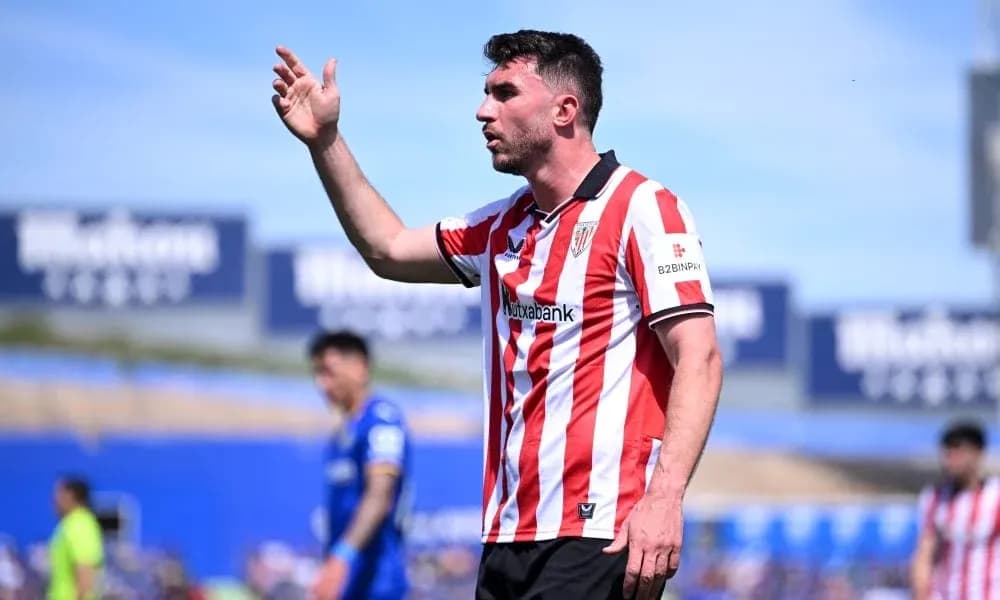
Last season Lewis-Skelly slipped down the pecking order at left-back, edged behind Riccardo Calafiori and Piero Hincapie. From being the new thing, he was suddenly the third choice in his own position.
Inside the club, the conversation turned from “how do we build around him?” to “what if we cash in?” By April, club sources were indicating Arsenal would be prepared to listen to offers, with a minimum combined £100m valuation placed on Lewis-Skelly and Ethan Nwaneri.
That number underlined his status as an asset. His football did the rest.
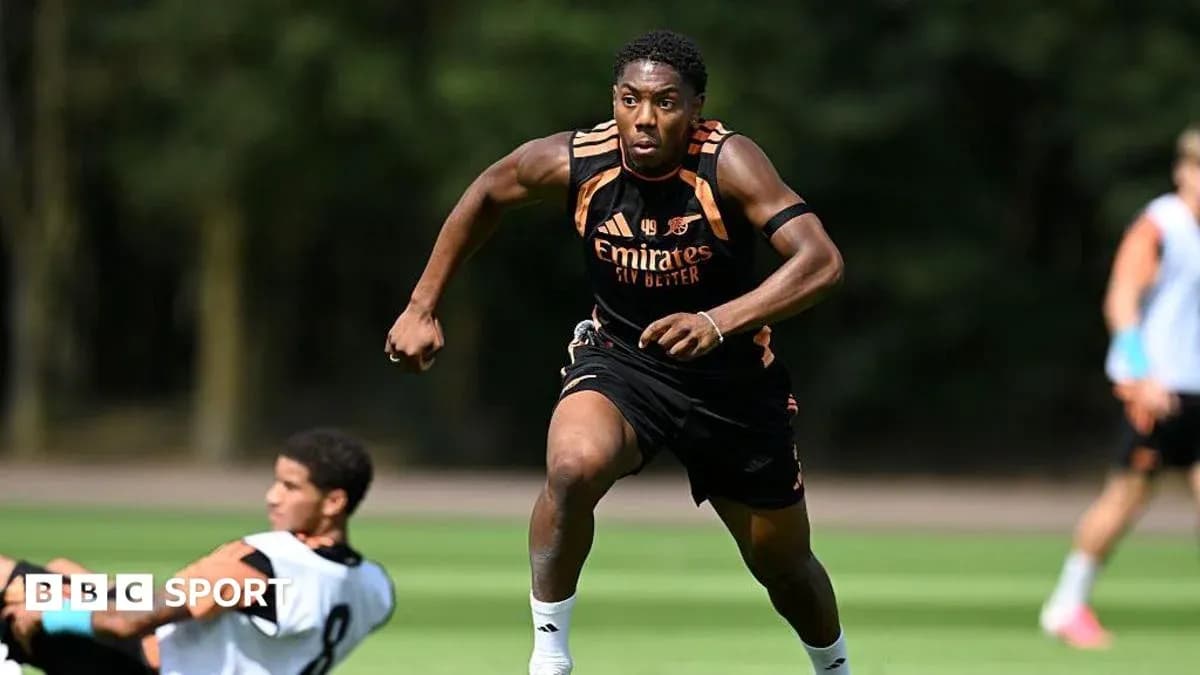
Shifted back into his natural role in central midfield towards the end of the campaign, Lewis-Skelly finished the season strongly. That late surge has forced a rethink. Instead of being quietly moved towards the exit, he has become one of the standout performers in pre-season, starting Arsenal’s last two friendlies as Mikel Arteta’s side tune up for Sunday’s Community Shield against Manchester City.
With several midfielders returning late from World Cup duty and £75m signing Bruno Guimaraes still settling into his new surroundings, a door has opened. There is a genuine chance for Lewis-Skelly to make another push to become a first-team regular in midfield rather than as an emergency full-back.
United’s need, Arsenal’s stance
On Tuesday, headlines suggested that door might open elsewhere. Reports linked Lewis-Skelly with a move away, with two Premier League clubs said to be interested.
One source told BBC Sport that he had been offered to Manchester United in January. Arsenal, for their part, insist they have not actively offered him to anyone.
United’s need is obvious. Patrick Dorgu, their latest signing in the left-back department, has been used in a more advanced role throughout pre-season. After Michael Carrick took charge, Dorgu spent most of his time injured and, when available, featured on the wing or in a wide attacking position rather than in defence.
Luke Shaw remains the first-choice left-back and started every Premier League game last season, but his fitness record over the years has been inconsistent. United have looked at Newcastle’s Lewis Hall, but accept that prising him away would be extremely difficult, especially after the departures of Sandro Tonali and Guimaraes from St James’ Park.
Lewis-Skelly could, in theory, offer a different kind of solution. He can operate as a left-back and also fill the much-discussed third midfield role. The feeling around United, though, is that they want another natural full-back to compete directly for a starting berth rather than a hybrid option.
Chelsea’s puzzle
Like United, Chelsea say they have been offered the chance to sign Lewis-Skelly. Again, Arsenal maintain they have not put him on the table.
On paper, Chelsea’s squad already looks crowded in his areas of the pitch. Jorrel Hato and new signing Pep Chavarria give them two senior left-backs, and with no European football this season, the fixture list will not stretch their resources as brutally as in previous years.
That reality makes a third left-back an unlikely purchase. Central midfield is also stacked: six options are currently on the books. There is a scenario in which Enzo Fernandez is sold and Dario Essugo leaves on loan, which would free up space and minutes, but without substantial outgoings Chelsea are not expected to move seriously for Lewis-Skelly.
Player wants Arsenal, Arsenal want flexibility
Amid all the noise, one thing is clear: Lewis-Skelly wants to stay. He has made it known he is focused on forcing his way into Arteta’s plans and establishing himself as a regular at Arsenal rather than chasing a move.
The challenge is obvious. Guimaraes has arrived for £75m from Newcastle United to compete directly in midfield. His presence threatens Lewis-Skelly’s minutes, but the volume of fixtures across competitions still offers hope that the academy graduate can get the game time he craves.
At the same time, Arsenal’s wider transfer strategy points towards sales. They spent heavily last summer, eight players arriving for around £250m, and they have already gone past £100m in this window while still hunting further additions before the deadline.
To balance that, the club are ready to listen to offers for several names. Gabriel Jesus and Gabriel Martinelli would be available at the right price. Fabio Vieira and Reiss Nelson are not in Arteta’s plans. Christian Norgaard has already gone to Everton for £7m, and Leandro Trossard has joined Besiktas for about £15m.
Lewis-Skelly sits in a different category. As a homegrown academy graduate, any fee received for him would count as ‘pure profit’ in the accounts. He knows it too. When Arsenal lifted the Premier League trophy at Selhurst Park on the final day of last season, he posted a picture of himself with the title and captioned it “pure profit”.
That line cut to the heart of modern football. Players understand the balance sheet as well as the tactics board.
New rules, new calculations
The financial equation around selling academy players has shifted. Under the new Squad Cost Ratio (SCR) rules, the impact of a sale is no longer booked in one hit. Any transfer fee received is now spread evenly over the length of the player’s contract, meaning clubs cannot use a single academy sale to deliver an immediate, dramatic boost to their accounts.
For someone like Lewis-Skelly, tied to a long-term deal, that changes the incentive. He is still a valuable asset, but the quick-fix temptation is reduced.
So Arsenal find themselves in a delicate position. They have a 19-year-old England international who has already shown he can excel at full-back and in midfield, who wants to stay, and who has just reminded everyone of his quality in pre-season. They also have a squad to trim, a wage bill to manage, and a manager intent on adding more pieces before the window shuts.
Right now, a move for Lewis-Skelly does not look imminent. The phone calls, the enquiries, the whispers are there, but nothing close.
That does not mean his future is secure. It means his next few weeks, and how Arteta uses him once the real games start, could define the next phase of his career.