Morocco Holds Brazil to Draw with Tactical Precision in World Cup Clash
Morocco's Sharp Start Caught Brazil Off Guard
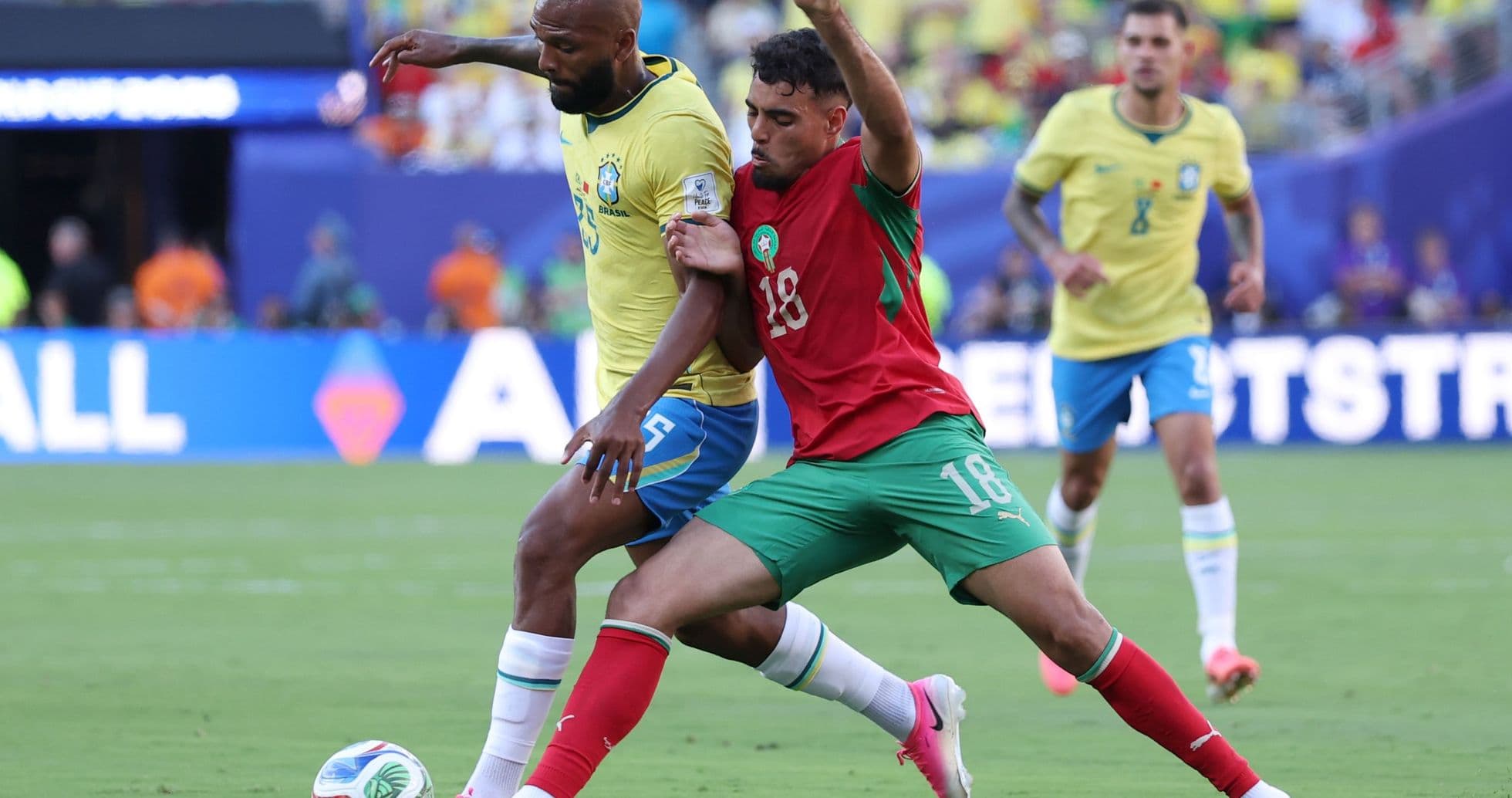
The 1-1 draw between Brazil and Morocco unfolded as a clash between raw individual talent and disciplined teamwork. Morocco executed a well-planned tactical approach that unsettled Brazil's famed skill and creativity.
Brazil set up in a 4-2-3-1 formation featuring Allison in goal, with a backline of Ibanez, Marquinhos, Gabriel, and Santos. Casemiro and Guimaraes operated in midfield behind an attacking line of Paqueta, Raphinha, Vinicius, and striker Thiago.
Morocco, also lined up 4-2-3-1, had Bono in goal, with defenders Mazraoui, Riad, Diop, and Hakimi. Their midfield trio consisted of Aynaoui, Bouaddi, and Ounahi, supporting forwards El Khannous, Saibari, and Diaz.
A Compact Defense and Lightning Transitions
Though considered underdogs, Morocco stormed the first half with rapid counterattacks and a tight mid-block defense. Instead of pressing high, they protected central spaces, cutting off key passing lanes and steering Brazil’s build-up towards the flanks.
This strategy paid off when Morocco intercepted a wide pass, quickly launching a counterattack. Diaz played a clever through ball between Brazil's center backs, allowing Saibari to score and put Morocco ahead.
Brazil’s Struggles with Structure and Progression
Brazil's issues weren’t about keeping possession but moving the ball forward effectively. Their midfield lacked connection with the attack, often leaving gaps too large between lines.
Casemiro and Guimaraes struggled to link defense and offense, leading to lost balls deep in their own half. Defensively, Brazil’s shape faltered under Morocco’s fluid movement, with the midfield repeatedly exposed.
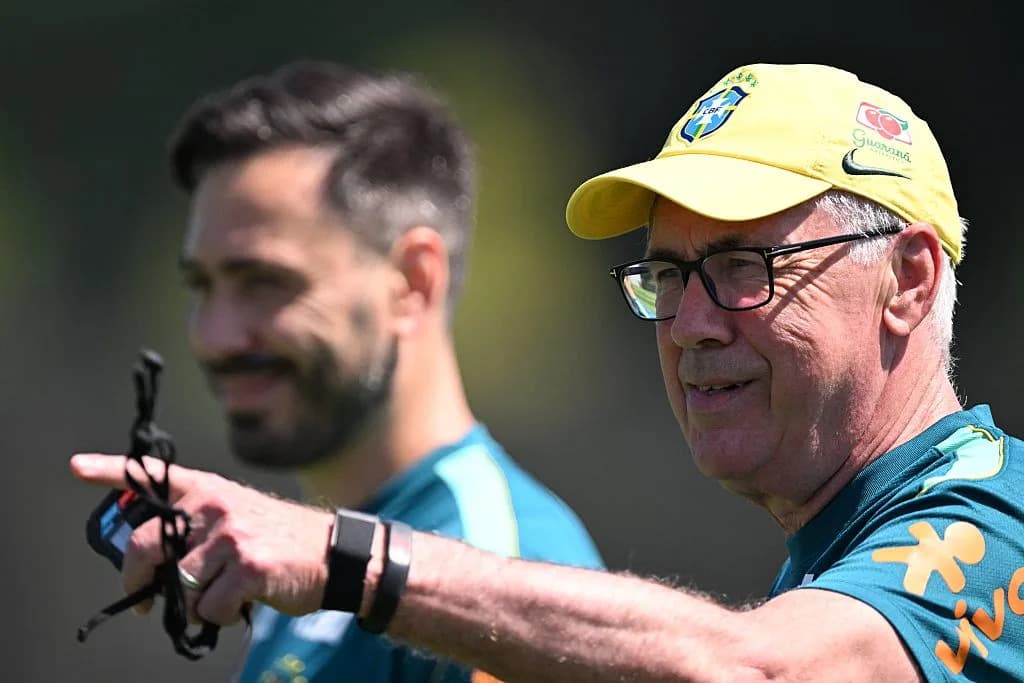
Casemiro appeared slowed down physically and was substituted early in the second half for Fabinho. Coach Ancelotti reacted by making double substitutions, targeting Brazil’s midfield and fullback vulnerabilities that Morocco exploited.
Individual Brilliance Masks Team Issues
Vinicius Jr.’s moments of skill shone but couldn’t compensate for the lack of a creative link between midfield and attack. Brazil missed a player who could consistently hold the ball under pressure and orchestrate attacking moves.
Thiago Silva, leading the line, played more like a traditional target man waiting for service than a dynamic forward creating chances. It seemed odd that Cunha, a more versatile attacker, didn’t start given his ability to provide balance and connectivity upfront.
Key Takeaways
Brazil demonstrated familiar weaknesses despite their star power: imprecise build-up play and defensive fragility after losing possession. Such flaws might be costly against top-tier opponents going forward.
Morocco showed why they are tactically respected internationally. Their organized defense, discipline, and quick transitions allowed them to challenge one of the world’s most gifted teams on equal terms. This draw was no accident but the result of a carefully crafted game plan.