Morgan Rogers: Chelsea's Most Expensive British Footballer
Morgan Rogers has barely pulled on a Chelsea shirt and already carries a label no English player has worn before: the most expensive British footballer in history.
The £117 million move from Aston Villa to Stamford Bridge was framed as a statement – by club and player. At his unveiling, Rogers called Chelsea "the biggest club in London" and the "perfect" fit for his game. Arsenal, who had tracked him for months and saw him as a prime Mikel Arteta target, could be forgiven for raising an eyebrow.
Strip away the noise and the badge, though, and the truth is blunt. Arsenal would have been the safer football decision.
Rogers walks into a storm at Chelsea
Leaving a rising Villa side, Champions League-bound under Unai Emery, to join the reigning champions would have been an obvious step up. Leaving that same Villa project to join a Chelsea team starting yet another reset under the polarising BlueCo ownership is something else entirely.
Chelsea are out of Europe. They are coming off a 10th-place Premier League finish. Xabi Alonso arrives with a reputation and ideas, but he is not a magician.
The squad around Rogers is already fraying. Marc Cucurella has gone to Real Madrid. Enzo Fernandez could yet follow him out of the door, and if that happens, Chelsea lose their midfield fulcrum and a big slice of control.
This is not the kind of stable, clearly defined environment a 23-year-old record signing usually needs.
Tactically, there are questions that will not go away. Rogers does his best work as a No.10, drifting between the lines, driving at defenders. Cole Palmer, Chelsea’s standout last season, also thrives in central pockets. Alonso must find a way to marry the two without clogging the middle of the pitch.
If Palmer becomes the reference point, Rogers is the one likely to be pushed wide. He can operate there, but his influence drops. At Villa, Emery turned him into a counter-attacking weapon, springing into space, running at retreating defences. Chelsea, under Alonso, will see more of the ball and more low blocks. Less space. Less chaos. Less of what made Rogers so dangerous.
The stylistic clash is obvious: Alonso wants control and structure; Rogers feeds off freedom and transition. That friction could dull his edge.
Then there is the number. £117m is not just a fee, it is a burden. It will hang around his neck from the first misplaced pass. Chelsea will expect instant impact from the costliest British player ever. If that impact doesn’t come quickly, the narrative turns. For all his talent, Rogers is not the sort of signing who alone drags a club back into title contention.
Right now, Chelsea look like a club asking him to be exactly that.
Carrick’s reward at United: a thin squad and a tight budget
Michael Carrick earned the Manchester United job the hard way. Third in the Premier League, Champions League qualification, a sense of order after years of drift. That should have been the platform for a proper push, backed by serious investment.
Instead, the INEOS era has started with a squeeze.
United have spent just £75m this summer, bringing in Andrey Santos from Chelsea and Youri Tielemans from Aston Villa. Two smart additions on paper, but nowhere near enough for a squad expected to handle a top-four battle and a deep Champions League campaign.
The gaps are glaring. Casemiro has gone and has not been properly replaced. Mason Mount still cannot string together a run of fitness. Manuel Ugarte is working his way back from an ACL injury. One more midfielder is a necessity, not a luxury.
Across the back line, the depth is just as alarming. And up front, the picture could soon be even bleaker. With Joshua Zirkzee edging towards Serie A, United may be left with Benjamin Sesko as their only natural No.9.
It is a fragile platform for a manager who has already been operating close to the edge. Carrick’s early run – 12 wins from his first 17 games – owed plenty to individual brilliance and a disciplined back line. United still looked conservative in possession, still struggled to build from the back with any real fluency.
That approach is hard enough to sustain with one game a week. With three? It looks like a trap.
A slow start is entirely plausible. A thin squad, a heavier schedule, mounting fatigue. Confidence, so carefully rebuilt, can vanish quickly at Old Trafford. If United are drifting by December, the pressure will land squarely on Carrick, not on the boardroom that chose caution over ambition.
INEOS would then be searching for a fourth head coach in less than three years. Stability was supposed to be the new era’s selling point. Right now, it looks anything but.
Arsenal step into the vacuum
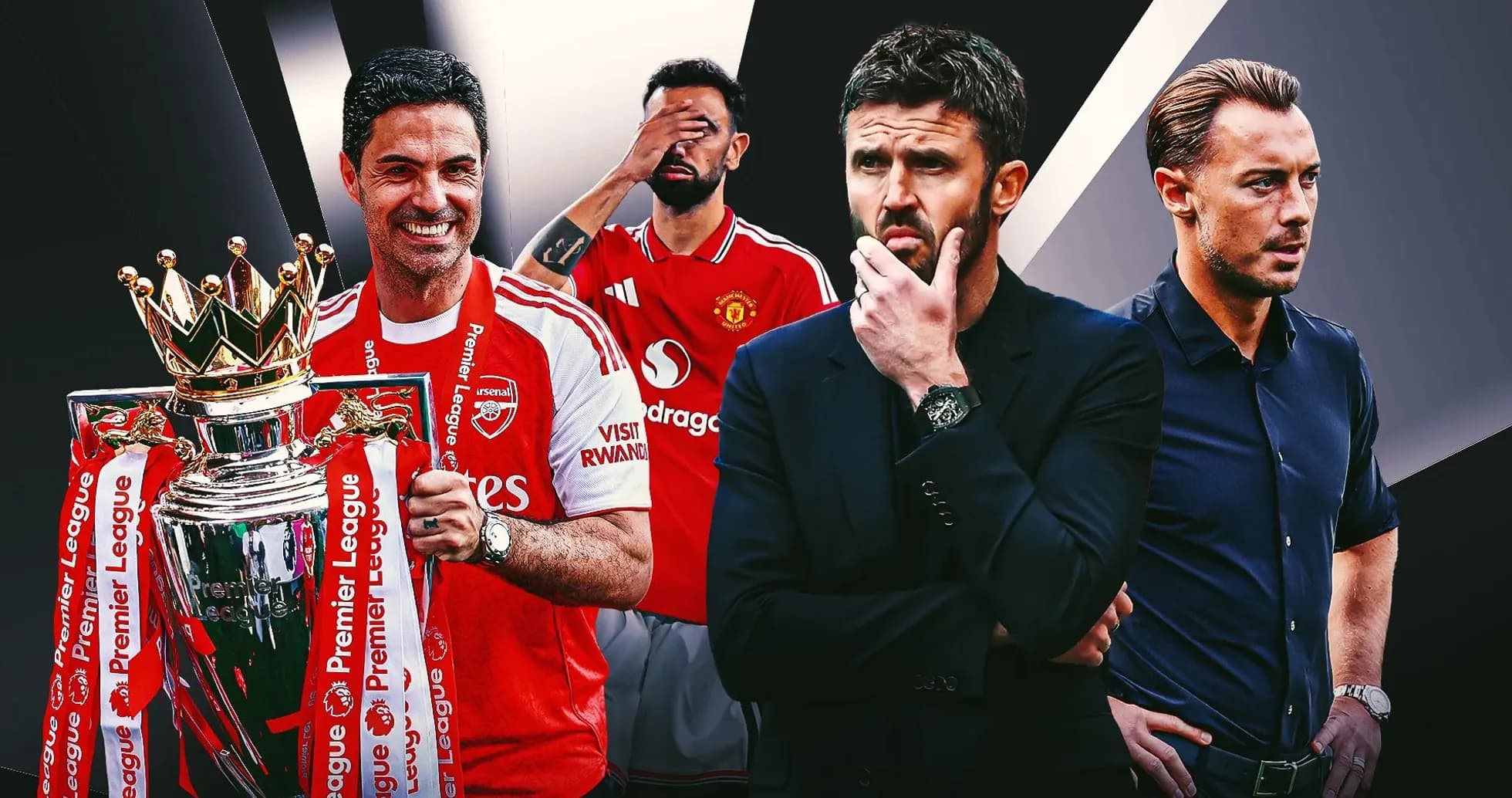
Arsenal finally broke the cycle last season. After three straight years of falling just short, they finished seven points clear of Manchester City to claim the 2025-26 Premier League title. No late collapse, no final-week trauma. Just a clean, decisive run-in.
That changes everything.
Arteta’s group has cleared the psychological hurdle. They know they can finish the job. And when you scan the landscape, they should not just be favourites – they should dominate.
Liverpool’s defence is threadbare, a shadow of the unit that powered their 2024-25 triumph. Manchester United, as outlined, are under-resourced for the calendar in front of them. Aston Villa have tightened the purse strings at the exact moment they needed to kick on. Chelsea and Tottenham are both in rebuild mode.
That leaves City as the only realistic threat. Even there, the foundations have shifted.
Pep Guardiola has gone. So have Bernardo Silva and John Stones, pillars of the most successful era in the club’s history. Rodri, the 2024 Ballon d’Or winner and the heartbeat of the side, has joined Barcelona in a £65m deal. He drove City forward, shielded the defence, and set the tone as a leader. You do not replace that overnight.
Elliot Anderson has arrived for £116m, a huge investment and a nod to the future, but City are heading into a transition whether they like it or not. The teething problems are already visible.
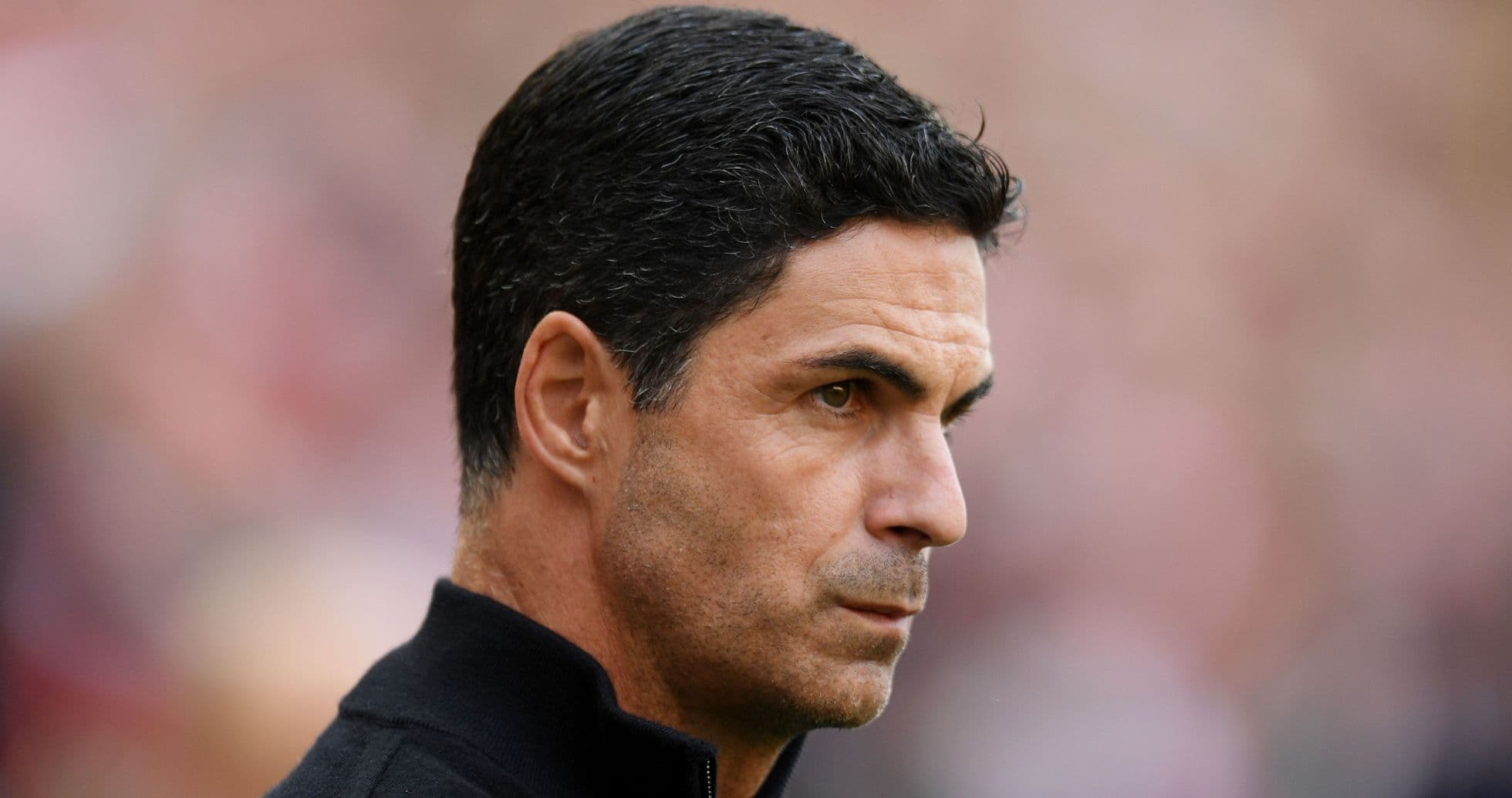
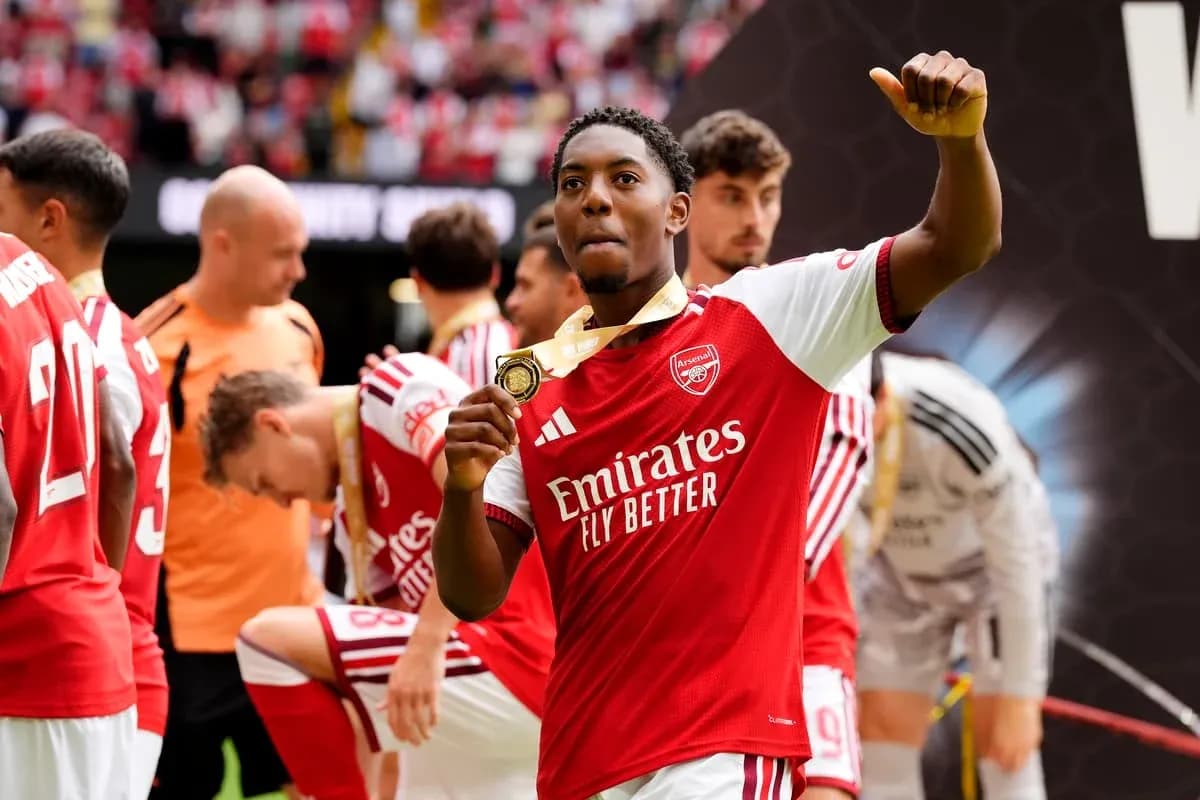
Arsenal’s 3-0 dismantling of City in the Community Shield underlined the current balance of power. Enzo Maresca has inherited a dressing room used to perfection and now adjusting to change. Arteta, by contrast, has the most settled, deepest squad in the league.
And he has just added Bruno Guimaraes from Newcastle – an all-action Brazilian midfielder who fits Arsenal’s intensity and technical profile almost too neatly.
Unless Arsenal implode or suffer an injury crisis on a scale the league has rarely seen, the title should stay at the Emirates in 2027. The question is not whether they can retain it. It is how far they can stretch the gap.
Arbeloa’s steep learning curve at Fulham
Fulham’s five-year journey under Marco Silva ended in June with something approaching quiet gratitude. He had kept them competitive, organised and ambitious on a budget that never matched the division’s heavyweights. Then he left for Benfica, stepping into the role vacated by Jose Mourinho’s return to Real Madrid.
Madrid’s own turbulence opened another door. Alvaro Arbeloa, moved on after a bruising six-month spell in charge at the Bernabeu, landed at Craven Cottage as Silva’s replacement on a three-year deal.
On paper, there are positives. Arbeloa’s education came under Mourinho and Carlo Ancelotti. As a coach of Madrid’s senior side and Castilla, he showed a clear faith in youth, something that should appeal to a Fulham hierarchy keen to promote from within.
The reality of the Premier League, though, is unforgiving.
Silva squeezed every drop from limited resources by drilling a pragmatic 4-2-3-1, anchored on defensive discipline. Fulham were rarely spectacular, but they were hard to break down and rarely naive.
Arbeloa wants more from his back line. A higher defensive block, more aggression, more risk. With Fulham’s squad, that is a dangerous gamble. The Spanish coach has yet to show he can bend his ideas to the tools at his disposal.
There are questions over his man-management, too. Dressing-room friction at Real undermined his authority. The spotlight at Fulham will be gentler, but the dynamics are the same: a manager under pressure, senior players watching closely, results dictating respect.
The transfer work offers little comfort. Gonzalo Garcia and César Palacios have followed Arbeloa from Madrid. Jonah Kusi-Asare has arrived permanently from Bayern Munich after a promising loan. All interesting moves, none transformative.
Crucially, Fulham have not replaced Harry Wilson, their top scorer and leading creator last season. That is a gaping hole in a squad already short on invention.
The fixture list is merciless. Chelsea, Liverpool and Manchester United all come within the first five games. An early slide towards the bottom three is not just possible; it feels likely. If that happens, Arbeloa looks an obvious candidate to be the first Premier League manager to lose his job in 2026-27.
Newcastle’s project unravels
Not long ago, Newcastle were the feel-good story of English football.
The 2025 League Cup win over Liverpool ended a 70-year wait for domestic silverware. Champions League qualification under Eddie Howe followed. St James’ Park was loud, united, and convinced it was watching the start of something lasting.
Fifteen months later, that optimism has curdled.
The spine of Howe’s side has been ripped out. Alexander Isak, Anthony Gordon, Sandro Tonali and Bruno Guimaraes have all gone. None have been properly replaced. Of the five signings made so far this window, only one is over 20. Big-name targets have looked elsewhere.
Howe himself has walked away after five years, deciding the time was right for a change. Newcastle, instead of landing an established elite coach, have turned to Matthias Jaissle, fresh from three years at Al-Ahli in the Saudi Pro League.
Jaissle’s football is front-footed, much like Howe’s. Newcastle CEO David Hopkinson has called him a "rock star". Right now, he looks more like the frontman for a band with no instruments.
The squad still contains quality, but last season’s 12th-place finish told its own story. Confidence is low. The dressing room has lost its leaders. The new manager has had little time to imprint his methods.
Off the pitch, the mood is even darker. Supporters, once fully behind the Saudi-backed ownership, now feel alienated by a series of decisions that have chipped away at trust. That toxicity does not stay in the stands. It seeps onto the pitch.
Relegation, with these resources, would be a catastrophe. Newcastle have already suffered that fate twice this century. Anyone who thinks it cannot happen again, in the middle of this chaos, is not paying attention.