Mikel Arteta's Approach to Max Dowman's Development
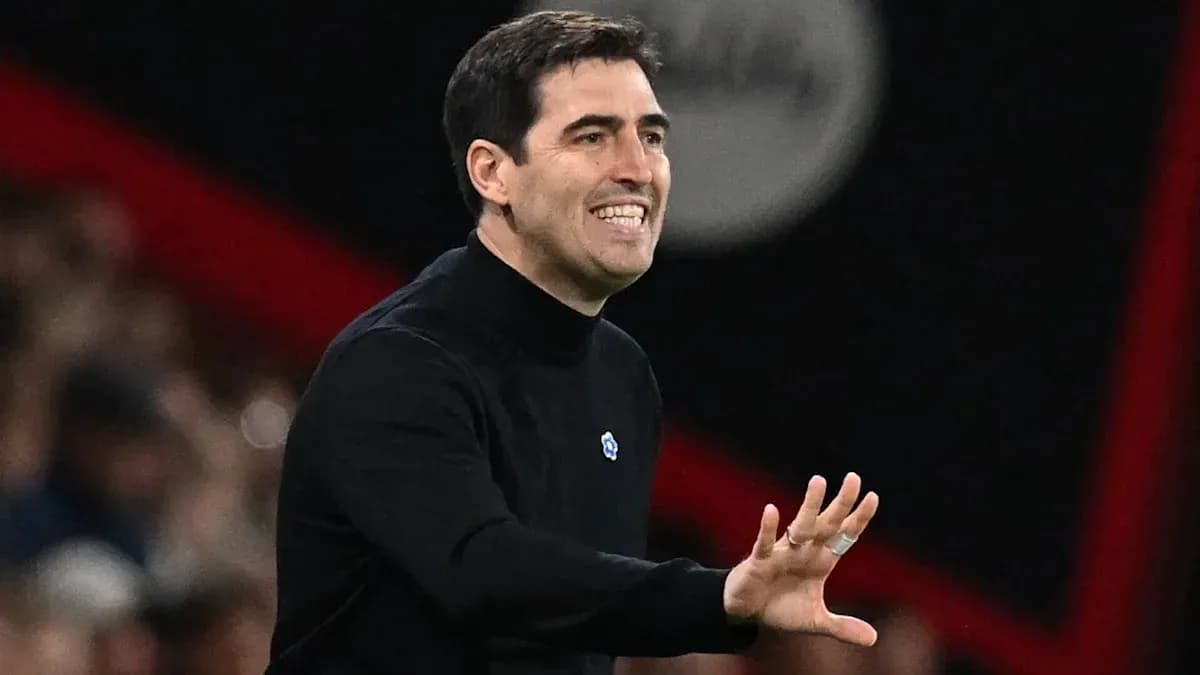
Mikel Arteta is in no rush to send Max Dowman anywhere.
The Arsenal manager has underlined that the club are assessing the teenager’s development on a six‑month cycle, and that talk of a January loan feels ahead of schedule while he continues to see the youngster in what he calls “a good place”.
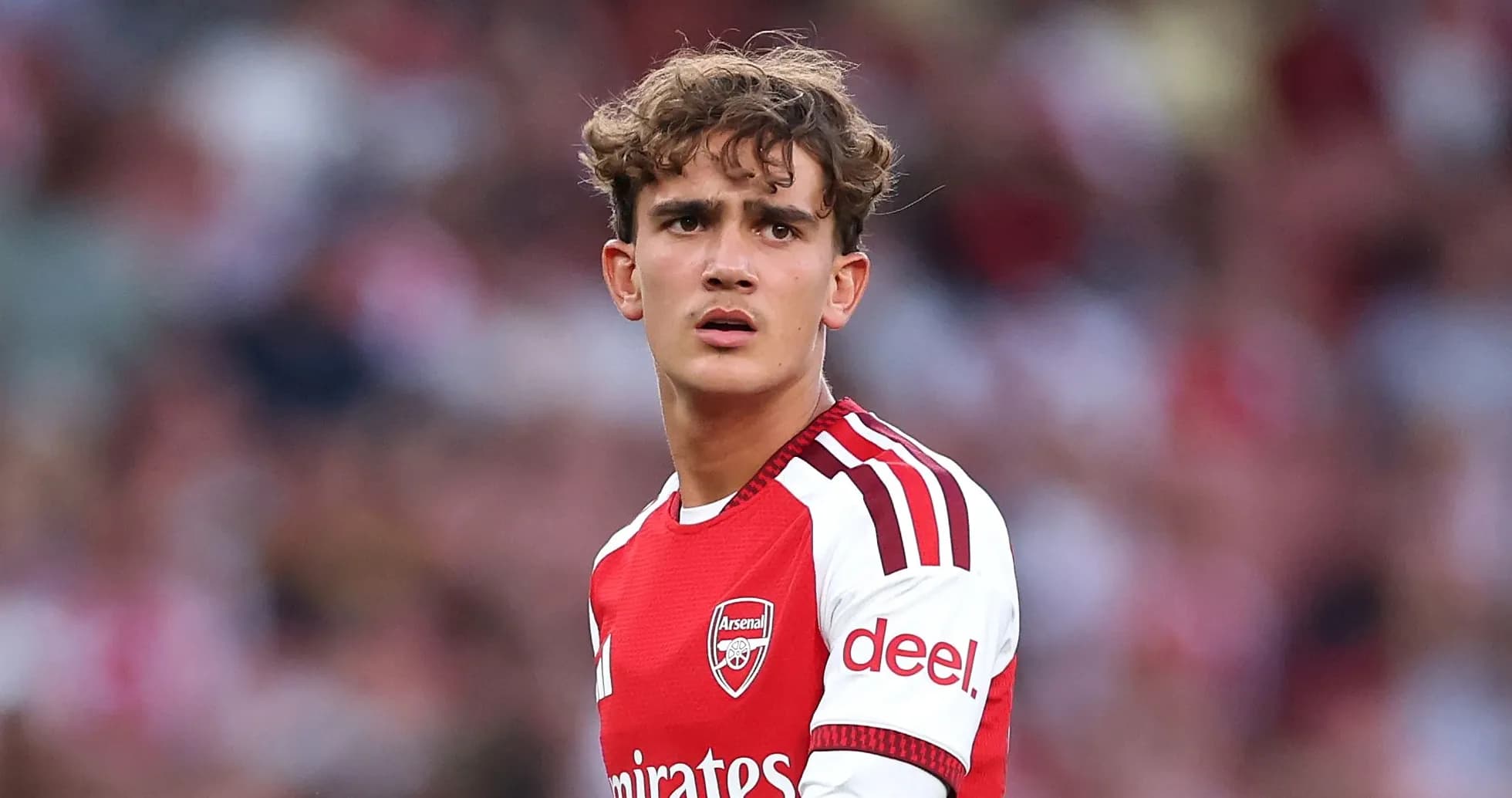
Dowman supplied the latest evidence on Tuesday night. Thrown into the Carabao Cup tie at Ipswich Town for his first outing of the season, the 16-year-old scored twice in a 4-2 win and looked every bit the prodigy Arsenal believe they have on their hands.
This is not a new story inside the club. Dowman played 13 times in 2025-26, even tasting Champions League football, all while juggling those appearances with GCSE exams. The schoolwork is now finished. The football is only just beginning.
He turns 17 on New Year’s Eve, the date already ringed in Arsenal’s calendar. That is when he will sign a professional contract that has been agreed in advance, a natural milestone that has fuelled speculation that the club could then entertain loan offers to accelerate his development with regular minutes elsewhere.
Arteta’s stance cuts through that noise.
“We haven't really listened to any of the possibilities because we were crystal clear that we wanted to have him in the squad, that we wanted him to be part of the pre-season and then start to see where we are from there,” he said.
The framework is simple: constant review, no rush.
“We will evaluate every six months, where we are and what is the best thing for him to do and then make the right decision.
“It depends on a lot of factors — what he needs and what the team needs as well, the availability we have in the squad, the minutes that he is playing and the qualities of those minutes.
“We have to be open but now the focus is to be here and to impact the team.”
Arteta knows the fork in the road that awaits a teenager on the brink of the senior game. He lived it himself.
“There have been many cases of that age when they have gone out and been successful and others not,” he said. “In my particular case I was 17 when I went to Paris.
“It depends on the atmosphere that you find there and how much the coach believes in you, whether you go there just to be part of a squad or play minutes. Which country, it depends.
“But now he is in a good place, let's keep him here.”
For the moment, that last sentence feels like the only verdict that matters.