Michael Carrick Takes Over as Manchester United Head Coach
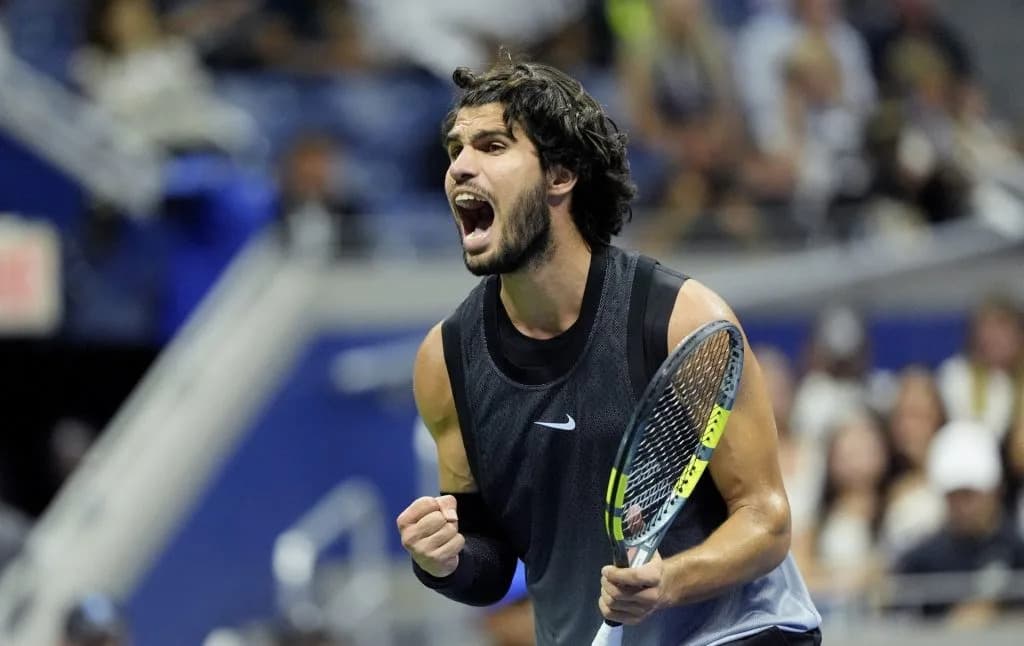
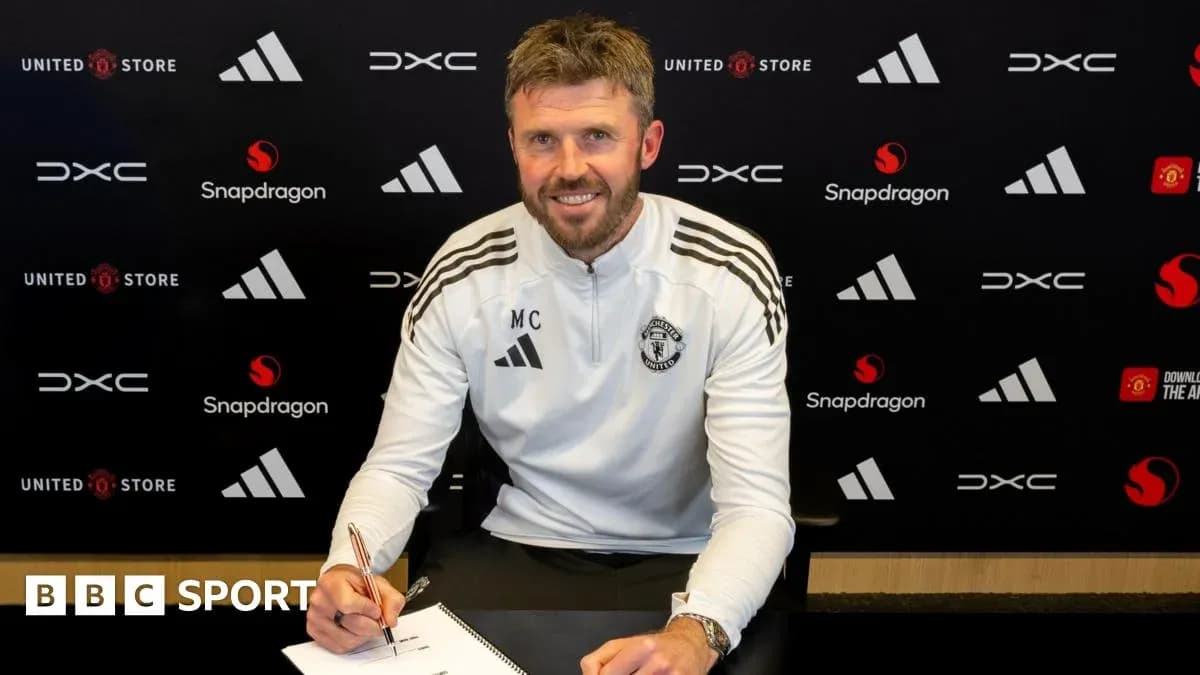
Manchester United have stopped flirting with the idea and finally committed. Michael Carrick is no longer the steady hand on an interim wheel; he is the permanent head coach, tied to a two-year contract and tasked with turning a promising surge into something more substantial.
At 44, the former United midfielder has earned this with results, not sentiment. Since stepping in after Ruben Amorim’s sacking in January, Carrick has dragged a drifting side into the Champions League and locked down a guaranteed third place in the Premier League. Eleven wins from 16 games tell one story. The manner of them tells another.
United’s thrilling victory over Nottingham Forest on Sunday did more than secure position. It underlined momentum. No top-flight club has collected more points than United’s 36 since Carrick took charge on 13 January. That surge has put his name on a six-man shortlist for the Premier League’s manager of the season award and forced the club’s hierarchy to act.
Carrick, who first walked into Old Trafford as a player two decades ago, made no attempt to hide what the moment meant.
“From the moment that I arrived here 20 years ago, I felt the magic of Manchester United. Carrying the responsibility of leading our special football club fills me with immense pride,” he said, before turning quickly to the standards he expects. “Throughout the past five months, this group of players have shown they can reach the standards of resilience, togetherness and determination that we demand here.
“Now it's time to move forward together again, with ambition and a clear sense of purpose. Manchester United and our incredible supporters deserve to be challenging for the biggest honours again.”
Those words are not new to the journalists who have followed him over the past few months. Carrick has been asked repeatedly about his future and could almost have handed out a pre-printed response. The clarity he now has changes the stakes. The honeymoon is over before it has even really begun.
Because the numbers, strong as they are, come with context. Third place in a 40-game season – no European distractions, early exits in both domestic cups – is an achievement, but also a warning. The coming campaign could stretch to 60 matches. That is a different sport entirely.
Carrick has brought calm to Carrington and stability to a dressing room that had grown used to turbulence. He has refused to panic in difficult moments, and the team have responded with a resilience that had been missing. Statistical models may argue United have overperformed their underlying numbers since Amorim left, but that line overlooks the shift in mood, the sense of control on and off the pitch.
Now he needs help.
Recruitment will define whether this bounce becomes a base. Central midfield is the obvious fault line. Casemiro is leaving, Manuel Ugarte has not convinced, and Kobbie Mainoo, for all his promise, cannot be asked to shoulder the load every three days. United need legs, intelligence and depth in the middle of the pitch if Carrick’s ideas are to survive the grind of a full season on multiple fronts.
There are other pressure points. If Patrick Dorgu continues to be pushed higher up the pitch, Luke Shaw cannot be left without serious competition at left-back. The same urgency applies in goal. Senne Lammens needs a genuine challenger, yet Radek Vitek – outstanding on loan at Bristol City – wants to keep playing every week, something that would not happen if he simply returned to sit on the bench at Old Trafford.
The academy offers encouragement, not a shortcut. Eighteen-year-old Jacob Devaney has caught the eye in the Scottish Premiership with St Mirren, while England Under-20 international Shea Lacey looks set for more chances next season. Those are promising strands, but they cannot be the backbone of a squad expected to compete on four fronts.
Carrick’s message, beneath the polite lines, is clear: he needs backing. The recruitment department must match his clarity of purpose with equally sharp work in the market.
The irony is stark. On the surface, United have not looked this stable in years. A popular head coach, a clear style emerging, Champions League football secured, and a fanbase that can finally see a coherent path. Yet the bar for what constitutes progress remains brutally high.
Given the extra fixtures and the physical toll that comes with them, finishing third again next season would actually represent a major step forward, not a holding pattern. To have any chance of doing that – and of getting close to the “biggest honours” Carrick talked about – United’s new permanent boss will need more than pride and a strong five-month audition.
He will need players. And he will need them now.