Mexico Dominates Ecuador in Round of 32 Clash
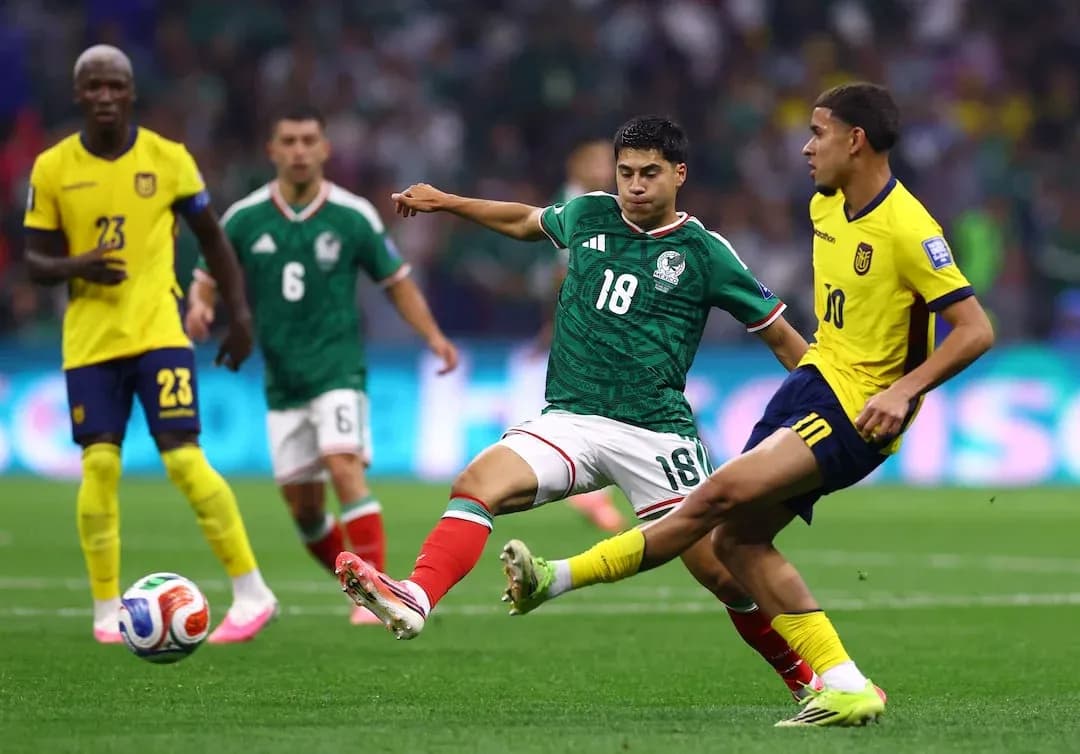
Under the lights of Estadio Banorte in Mexico City, the Round of 32 became a statement of intent. Mexico, already the most dominant side of Group A with 9 points and a total goal difference of +6 (6 scored, 0 conceded), carried their perfect defensive record into a knockout duel with an Ecuador team that had edged through Group E with 4 points and a total goal difference of 0 (2 scored, 2 conceded). Over 90 minutes, Mexico’s 2–0 win crystallised the contrast between a side playing with clarity and continuity, and another still searching for a convincing attacking identity.
I. The Big Picture – Structures That Tell a Story
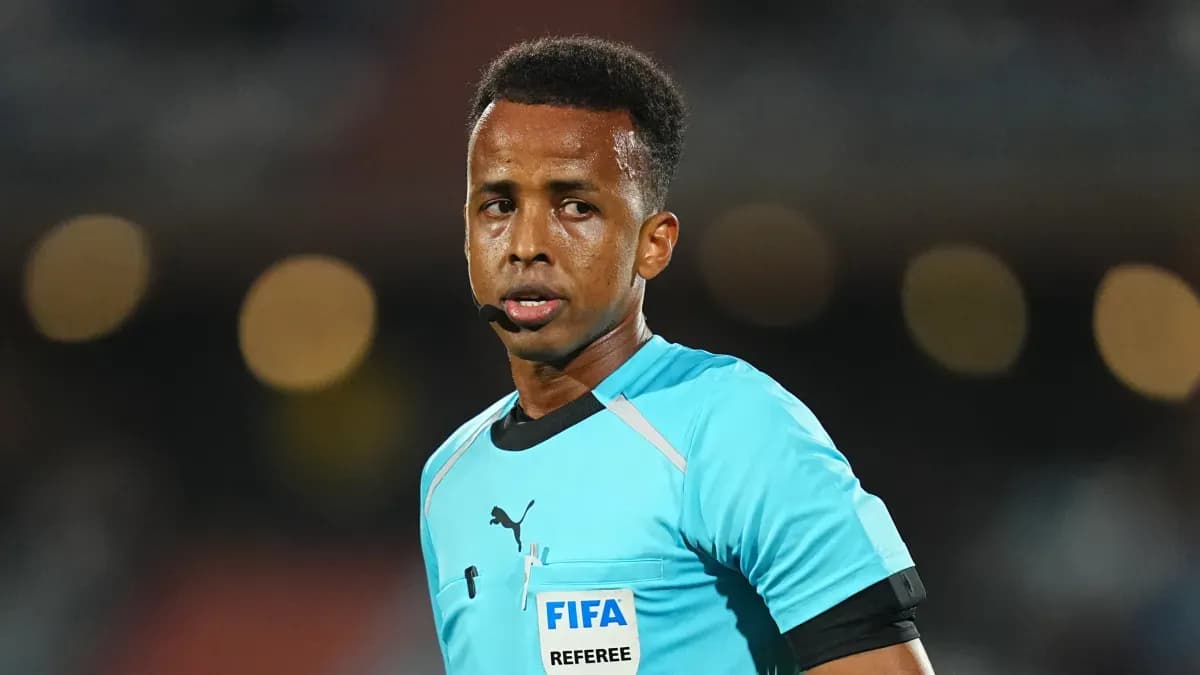
Javier Aguirre doubled down on Mexico’s tournament identity, returning to the 4-3-3 that has been his most-used shape this World Cup. It is the same system that underpins their season statistics: heading into this game Mexico had played 4 matches in total, winning all 4, with 8 goals scored in total (5 at home, 3 on their travels) and none conceded anywhere. The structure is simple on paper but layered in practice.
R. Rangel in goal sat behind a back four of J. Gallardo, J. Vasquez, C. Montes and J. Sanchez. In front of them, the midfield trio of L. Romo, E. Lira and G. Mora formed a compact, hard‑working engine, freeing the front three of J. Quiñones, R. Jimenez and R. Alvarado to stretch the pitch. The front line was not just about goals; it was about zones. Alvarado, already the World Cup’s leading creator with 3 assists in total and 10 key passes, drifted between lines, while Quiñones, with 3 goals and 1 assist in total, attacked space with a forward’s instincts from a nominal wide role.
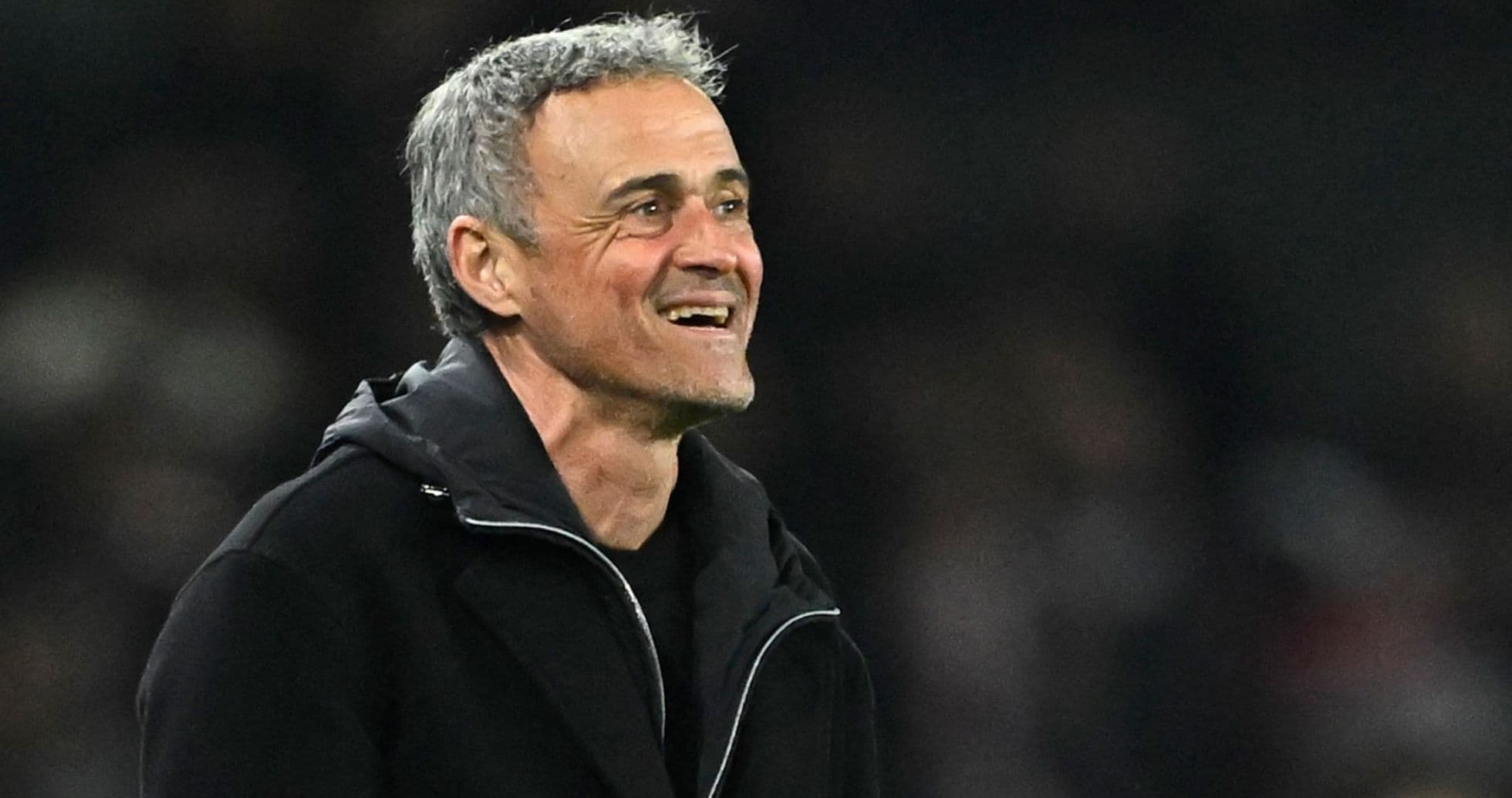
Sebastian Beccacece’s Ecuador answered with a 4-4-2 that has been their default: H. Galindez in goal, a back four of P. Hincapié, W. Pacho, J. Ordonez and A. Franco, a midfield band of four with N. Angulo and J. Yeboah wide, and a central axis of M. Caicedo and P. Vite behind the front pair G. Plata and E. Valencia. The shape promised verticality and transitions, but the numbers hinted at a fragility: heading into this game Ecuador had scored only 2 goals in total across 4 matches, with both coming at home and none on their travels, while conceding 4 in total (1 at home, 3 away). Their away attacking average stood at 0.0 goals per game, a stark contrast to Mexico’s total average of 2.0 goals per game.
II. Tactical Voids – Discipline and the Edges of Control
With no official absentees listed, both coaches had their core groups intact. That put the spotlight on discipline, an area where the season data painted a clear divide.
Mexico arrived with a remarkably controlled card profile. Across the tournament they had drawn their yellow cards in just two windows: 50.00% between 16–30 minutes and 50.00% between 61–75 minutes. Red cards were rare and late, with a single dismissal coming between 91–105 minutes. C. Montes, however, carried the shadow of that red card on his record, a reminder that even in a dominant defensive unit, the line between aggression and excess is thin.
Ecuador’s disciplinary story was more turbulent. A. Franco, the top yellow-carded player in the competition with 2 yellows in total and 7 fouls committed, and P. Hincapié, who combined 1 yellow and 1 red card in total, formed a backline that lives on the edge. As a team, Ecuador’s yellows were spread across the heart of matches: 25.00% between 31–45 minutes, 25.00% between 46–60, and further bookings between 61–75 and 76–90. Their only red card as a team before this fixture had come between 91–105 minutes, a sign that they often end games under severe pressure.
Against a Mexico side that rarely fails to score (0 matches in total without a goal) and has kept 4 clean sheets in total, Ecuador’s tendency to accumulate cards in the middle and late phases risked handing control to Mexico’s ball‑dominant midfield.
III. Key Matchups – Hunter vs Shield, Engine vs Enforcer
Hunter vs Shield
The headline duel was Mexico’s wide forward J. Quiñones against Ecuador’s central defensive pairing of Hincapié and Pacho. Quiñones entered the Round of 32 with 3 goals from 9 total shots, 5 of them on target, and a dribble success rate of 6 from 8 attempts. He is not just a scorer; he is a volume carrier, capable of tilting a back line off its axis.
Hincapié, by contrast, is Ecuador’s most complete defender on paper: 12 tackles, 2 successful blocks, 4 interceptions and 24 duels won from 47 contested. He defends front‑foot, stepping into midfield lines to compress space. The problem for Ecuador is that this same aggression is tied to his disciplinary record – 1 yellow and 1 red – and against a dribbler like Quiñones, every mistimed step risks a free-kick or worse.
On the opposite flank, Alvarado’s creativity asked constant questions of Franco. The Ecuador right-back is a high‑volume passer (125 passes with 96% accuracy) and an active defender with 8 tackles and 1 blocked shot, but his 7 fouls committed and 2 yellows in total reveal a pattern: when isolated, he tends to foul. With Alvarado producing 3 assists in total and 10 key passes, Mexico repeatedly targeted that corridor, dragging Franco into one‑v‑one situations he could not always manage cleanly.
Engine Room – Lira and Romo vs Caicedo
The midfield battle was defined by how effectively Mexico could contain M. Caicedo, Ecuador’s heartbeat. Beccacece’s 4-4-2 relies on Caicedo’s capacity to break lines with and without the ball, but the season numbers showed Ecuador’s central platform struggling to convert control into goals: a total average of just 0.5 goals per game, with 3 of their 4 matches ending in failure to score.
Mexico’s answer was structural: E. Lira sat as the positional pivot, screening the spaces where Caicedo likes to receive, while L. Romo and G. Mora worked as shuttlers, closing passing lanes into E. Valencia’s feet. This mirrored Mexico’s overall defensive record heading into the match: 0 goals conceded in total, with a total average of 0.0 goals against per game and 4 clean sheets in total. The plan was not only to win duels, but to suffocate Ecuador’s progression at source.
IV. Statistical Prognosis – Why 2–0 Felt Inevitable
On their travels this World Cup, Ecuador’s attacking return of 0 goals in total and an away average of 0.0 was always going to collide brutally with Mexico’s perfect defensive record. Mexico’s total attacking average of 2.0 goals per game and their biggest away win of 0–3 underlined a side comfortable both dictating and punishing in transition.
Layer on the disciplinary profiles and the picture sharpens. Ecuador’s propensity to collect yellows between 31–60 minutes intersects with Mexico’s tendency to grow into matches through sustained possession and wide overloads. Each foul on Quiñones or Alvarado buys Mexico territory and time, exactly the conditions in which their structured 4-3-3 is at its most incisive.
Following this result, the 2–0 scoreline felt less like a surprise and more like the logical extension of both teams’ seasonal DNA. Mexico’s shield held firm yet again; Ecuador’s hunters never quite found their range. In a Round of 32 defined by fine margins, this was one of the few ties where the numbers, the tactics and the narrative all marched in the same direction.