Martin O’Neill Faces Pressure at Celtic After Old Firm Defeat
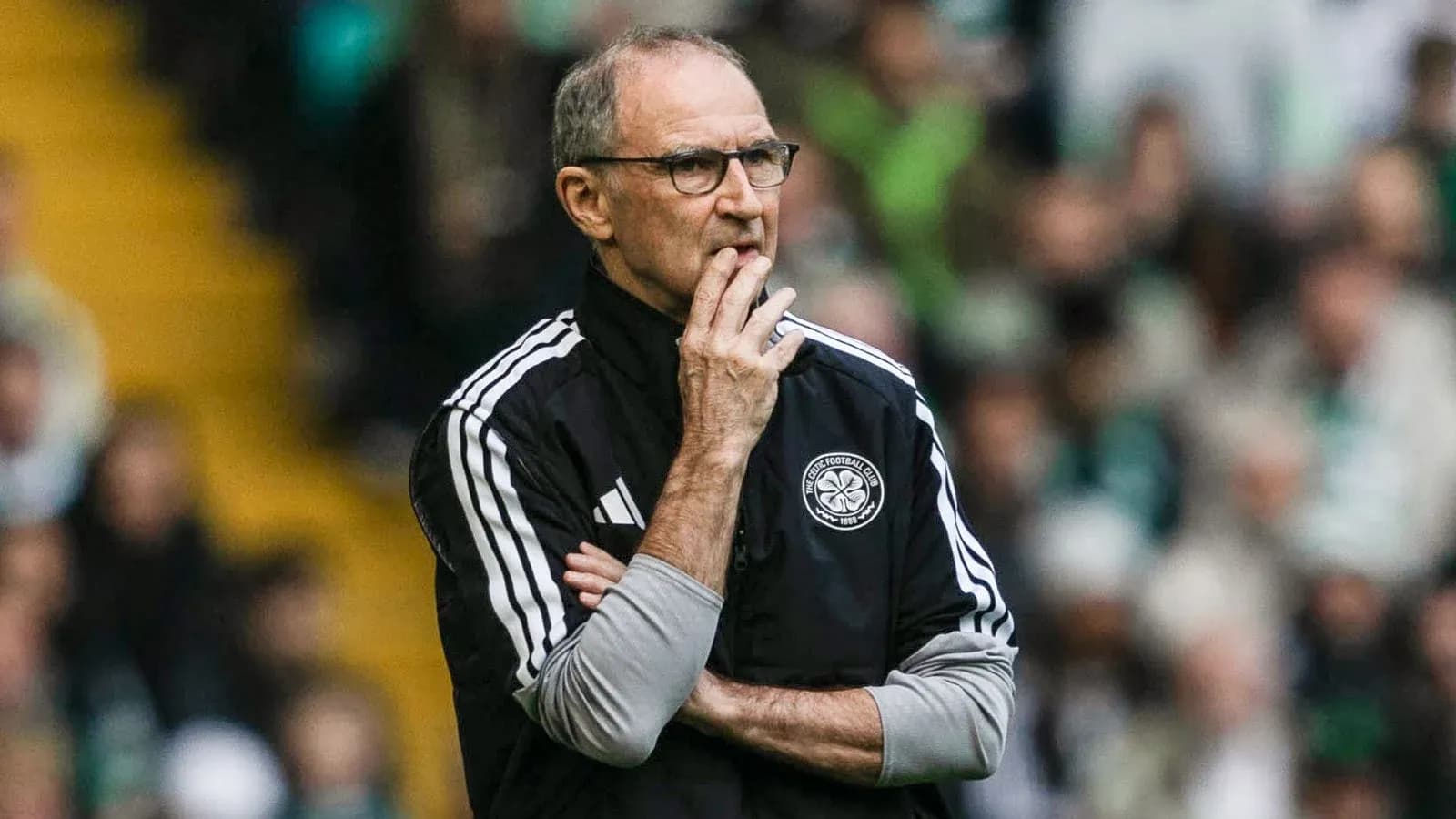
Martin O’Neill is a legend at Celtic. That much is beyond dispute. What comes next is not.
After another Old Firm defeat – this time a 1-0 loss to Rangers at a restless Parkhead – the 74-year-old admitted he will stop and decide if it is “time to wrap it up”. When a manager of his stature speaks like that, it cuts through the noise. It sounds like a man who knows the ground beneath him is shifting.
This was not an isolated bad day. It capped a brutal week.
Celtic were taken apart by Rangers in the Scottish League Cup. They then crumbled 3-1 to Ferencvaros in the Europa League. Back-to-back Old Firm defeats in the space of seven days, with a European setback in between, have turned concern into genuine alarm among the support.
The team that opened their title defence with six straight league wins has rarely convinced. The cracks were there. The collapse in the Champions League play-off against LASK – from 4-0 up to losing 5-4 on aggregate – ripped those cracks wide open. It raised serious questions about O’Neill and the resilience of his players.
A title defence already under strain
On paper, Celtic remain top of the Scottish Premiership heading into a three-week international break. That should feel reassuring. It doesn’t.
The gap is two points. It could have been eight. That’s the difference between a club in control and a club staring at a reset.
Every major test over the last fortnight has gone the same way. Celtic have looked brittle, slow to react, and short of ideas when it matters most. Performances, not just results, have set alarm bells ringing. The displays have been as troubling as the scorelines.
Supporters are now asking what the rest of the season looks like if nothing significant changes during this pause.
Bigger than the dugout
It is easy to aim everything at the manager. The truth is messier.
Discontent with the Celtic board did not start this week. There were protests last season, with fans demanding change at the top. Those voices have not quietened. If anything, this run has amplified them.
Recruitment sits at the heart of the argument. Questions have been asked about both the quality and the timing of the summer business.
Record signing Kasper Hogh and Camilo Duran arrived before that Champions League exit. The club then pushed close to £20m on Mika Baur, Haissem Hassan and Joel van den Berg before Deadline Day, along with five other late signings. It looked bold on the balance sheet. On the pitch, it still looks like a jigsaw without a picture on the box.
O’Neill is still searching for a formula. He has rotated relentlessly in midfield. He ripped up his wide play entirely for Sunday’s Old Firm, dropping his wingers, starting with five defenders and shunting Kieran Tierney further forward. The shape changed. The outcome didn’t.
For a club that has won 14 of the last 15 league titles, there is a sense that domestic dominance has bred a dangerous complacency. Celtic have repeatedly sold key players without always replacing them like for like. With Rangers and Hearts now posing a stronger, more consistent challenge, that gamble looks increasingly reckless.
Yes, Celtic have spent big this summer. But many fans fear that only a trophyless season will finally hammer home the message that money in the bank is meaningless if the right players are not on the pitch.
A legacy on the line
Scottish football can flip in a heartbeat. O’Neill knows that better than most.
Twice last season he returned as interim manager and steadied a listing ship, guiding Celtic to a league and cup double that had looked unlikely. It was a reminder of his authority, his aura, his ability to pull a dressing room together.
That success persuaded him to abandon retirement and take the job permanently, 21 years after his first spell ended. Back then he was a force of nature: seven major trophies, a UEFA Cup final in 2003, a side that was rugged, relentless and horrible to play against.
This version of Celtic is the opposite. They are easy to get at. Easy to unsettle.
The supporters still adore Martin O’Neill. The bond is real. But even his most loyal backers are now whispering the question they never thought they’d ask: is it time for him to walk away?
His recent decisions have not helped his case. He made big calls after the Ibrox defeat going into the Ferencvaros tie. They failed. He made more sweeping changes for Rangers at Parkhead. Same story.
He could still match last season’s achievements. The fixtures and the mathematics say that possibility remains alive. But if he cannot fix the structural issues in this squad – the soft centre, the tactical confusion, the lack of cohesion – he risks finishing with no trophies and a legacy that suddenly looks less untouchable.
A flicker of hope in the gloom
For all the angst, one fact keeps intruding: Celtic are still top.
After Sunday’s defeat, O’Neill told Sky Sports he did not believe “there’s very much between the teams” and insisted “the history of the club proves it will fight back” from this turbulent spell. He called for perspective, saying: “It’s concerning. Is it a disaster? I don’t think so. We have to rethink and reset.”
He is right about one thing. The season is not lost in September.
Celtic have played seven of 38 Premiership matches. They still have seven Europa League games ahead. There is time to repair, to reframe, to rediscover the edge that once defined O’Neill’s sides.
But time can evaporate quickly in a campaign that is already running hot.
The run that will tell the truth
What happens next will not be decided in a boardroom statement or a nostalgic tribute. It will be decided on grass.
After the international break, Celtic face a run that will test both nerve and structure:
- Motherwell away on October 11, live on Sky Sports.
- Benfica away in the Europa League on October 15.
- Hearts at home on October 18.
- Celta Vigo at Parkhead in Europe on October 22.
- Hibernian away on October 25, live on Sky Sports.
- Dundee United at home on October 28.
That sequence will either calm the storm or drag the club deeper into it.
Martin O’Neill once built a Celtic side that feared no one. The question now is stark: can he do it again at 74, under sharper scrutiny and with less margin for error – or will this be the chapter that finally closes the book on his Celtic story?