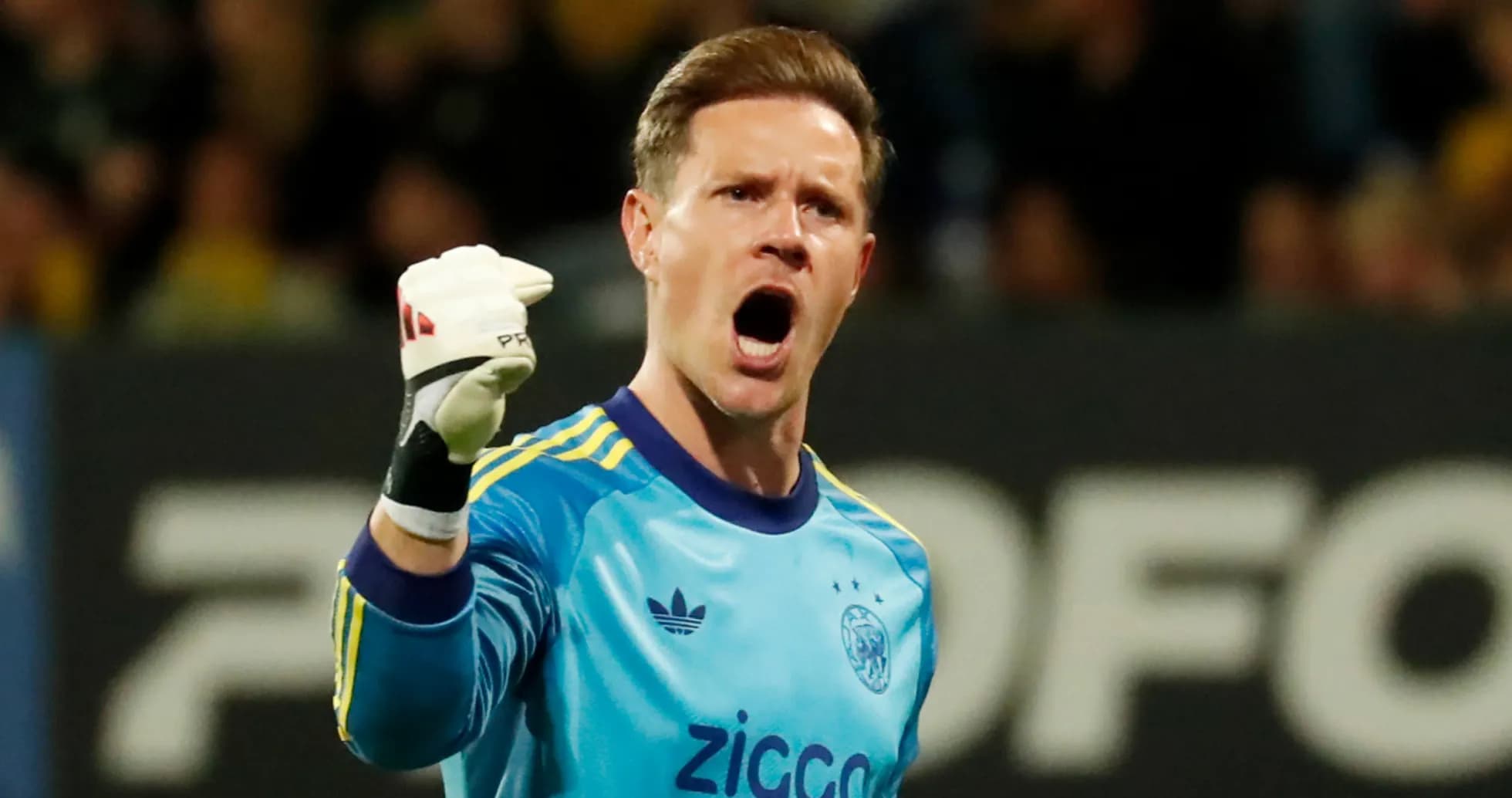
Marc-André ter Stegen Takes Over as Germany's No. 1 Goalkeeper
The debate is over. The German No. 1 shirt now belongs to Marc-André ter Stegen.
After years spent in the long shadow of Manuel Neuer, the Barcelona goalkeeper – currently rebuilding sharpness on loan at Ajax – has finally been handed the role outright by new national team coach Jürgen Klopp.
Klopp didn’t dress it up. Asked if he now has a clear first-choice goalkeeper, he replied, via Bulinews: “Yes, for the moment, there is one, Marc-Andre ter Stegen.” No ambiguity. No open audition. A line drawn.
The decision comes in the wake of Neuer’s retirement from international football, which closes one of the defining chapters in Germany’s modern history. The former Bayern Munich captain redefined the position, dragged the sweeper-keeper into the mainstream, and anchored a World Cup-winning side. His absence leaves a huge void – in presence, in personality, in pedigree.
Klopp knows that, and he isn’t pretending otherwise. But he also believes the successor has been hiding in plain sight for years.
“A team needs stability and a spine, and then you can add a lot of youth around that. I’ve known him for ages. Manuel Neuer was the best goalkeeper in the world for a long time,” Klopp said. “Nevertheless, everyone knew that Ter Stegen was world-class too. He then suffered an injury at an unfortunate time. At the moment, he is fit and the same goalkeeper he was before. He brings experience with him. He is making a very good impression. Everything depends on performance.”
That last line matters. Ter Stegen has the gloves, but under Klopp nothing is guaranteed. The hierarchy is set, not sealed.
Neuer’s exit accelerates what Klopp wants to build: a new identity for Die Mannschaft, anchored by seasoned figures down the middle and surrounded by hungry, younger talent. The goalkeeper call is the clearest sign yet of that blueprint. Ter Stegen becomes the first pillar of the new era.
Around him, the scale of change is striking. Klopp has named a sprawling 44-man group for the upcoming international break, split into two separate squads. It is an overhaul, not a tweak, and it turns the UEFA Nations League into a live laboratory for Germany’s future.
Ter Stegen leads the first wave, but he is not alone in the reshaped goalkeeping picture. Augsburg’s Finn Dahmen and Besiktas’ Alexander Nübel have been called up for the first two matches, as Klopp widens the competition behind his new No. 1.
Dahmen is the common thread. He is the only goalkeeper named in both squads, a clear sign that Klopp wants a long, detailed look at him. Freiburg’s Noah Atubolu and Bayern Munich’s Jonas Urbig round out the group, each handed a chance to stake a claim in the next generation of German keepers.
The schedule offers no gentle introduction. Germany will face the Netherlands, Greece, Serbia, and then Greece again in a reverse fixture, all in the Nations League. Four games, two squads, one overarching mission: stress-test the depth of German football while laying down the foundations of a new core.
For Ter Stegen, it is more than just a symbolic promotion. These matches are his stage to finally own the role that always seemed just out of reach while Neuer stood in the way. Now the hierarchy is clear, the responsibility is his, and the scrutiny will follow.
Klopp has backed him. The shirt is his.
The next question is simple: can Ter Stegen turn this long-awaited chance into an era of his own?