Manchester United's Transfer Strategy: Patience and Value
For a few days at the start of the week, it felt like the old story at Manchester United. Another window drifting, another primary target lost. Tottenham swooped in, paid what West Ham wanted for Mateus Fernandes, and threw a wage packet at him that would make most dressing rooms blink.
United, though, did something they haven’t always done in the last decade. They walked away.
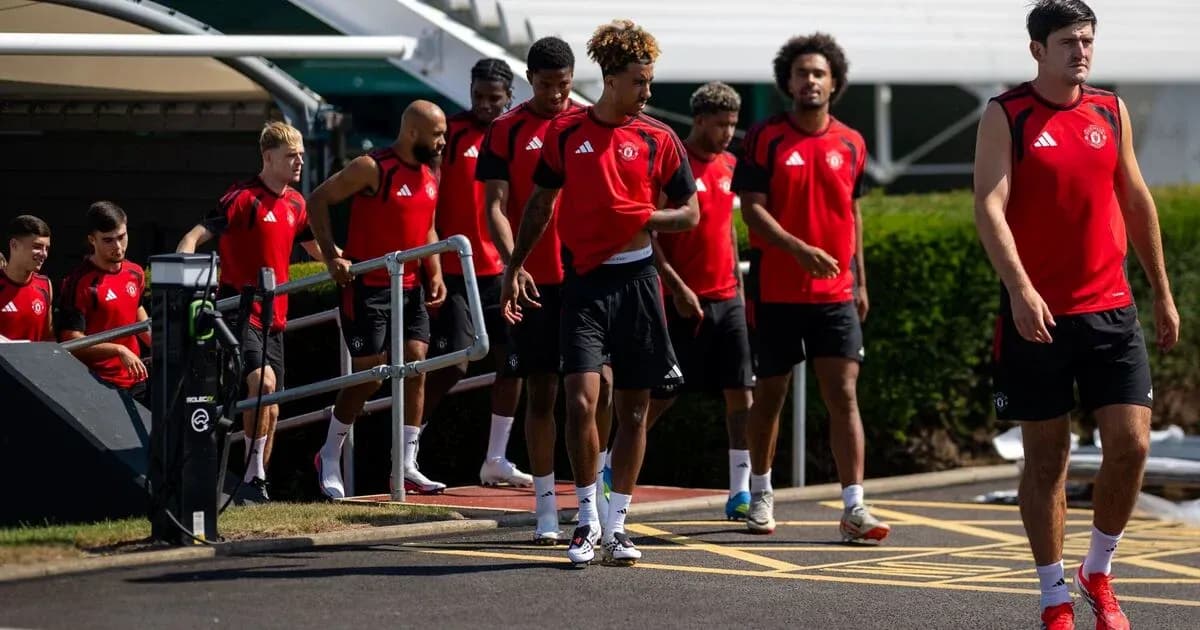
Instead of chasing the mistake, they changed the plan. Within 48 hours, two midfielders were through the door and posing with scarves at Carrington. The mood around Old Trafford shifted just as quickly.
Two for the price of one
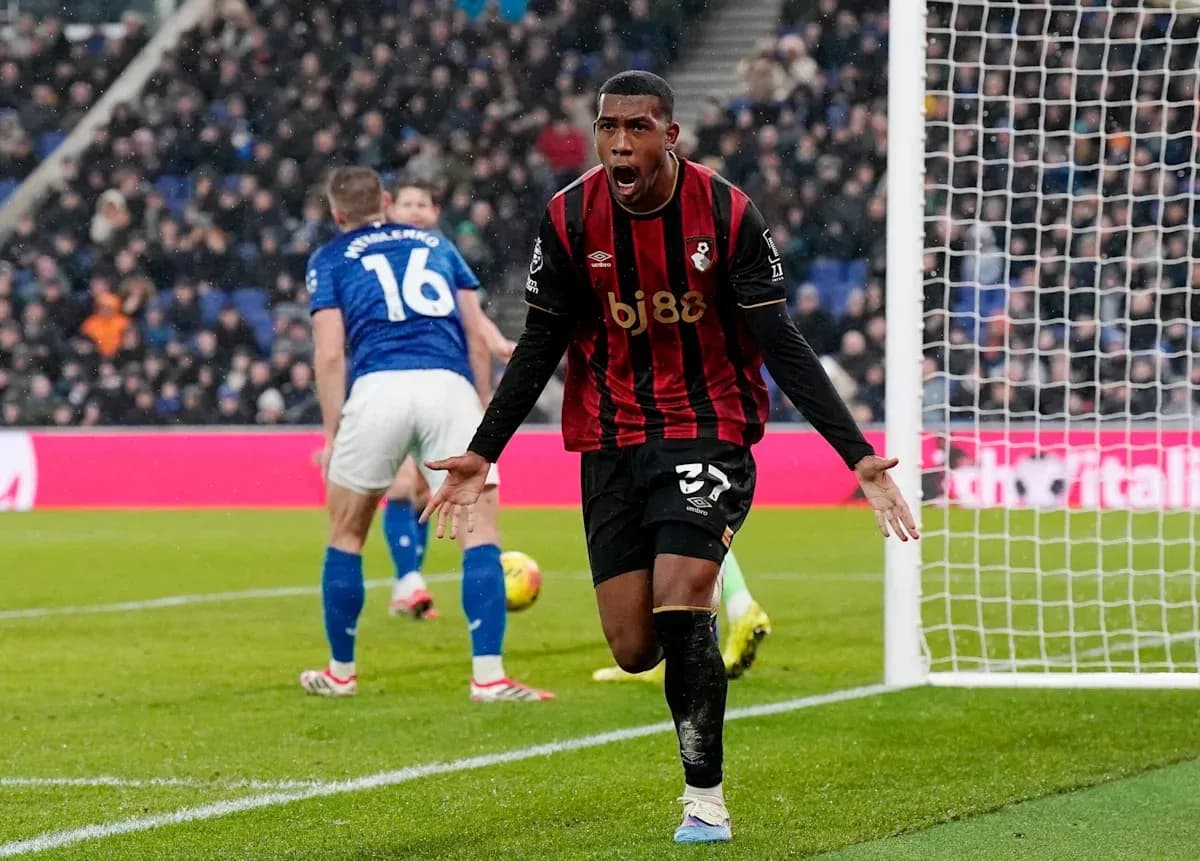
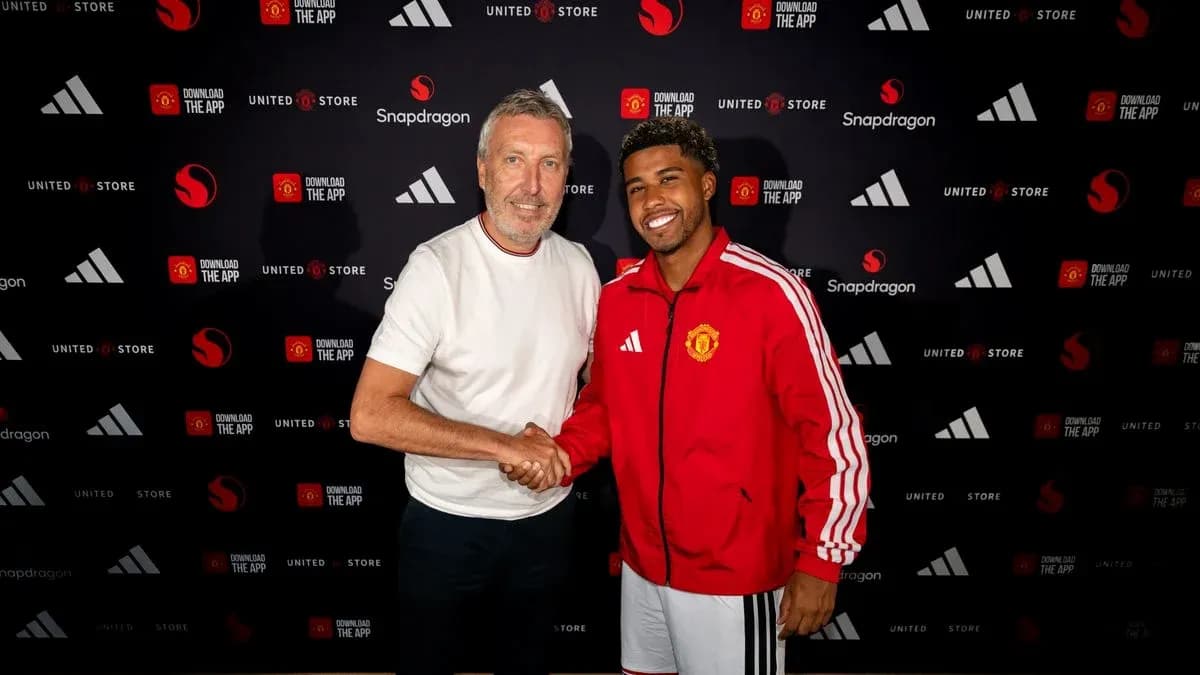
On Monday, United announced Andrey Santos, a £50 million signing. On Tuesday, Youri Tielemans followed for £35m. Two midfielders, two very different profiles, one clear message: this regime is going to chase value, not headlines.
The contrast with Tottenham’s move for Fernandes is stark. Spurs agreed to West Ham’s £85m up‑front valuation and backed it up with a £250,000-per-week contract. United could have matched it. The old hierarchy might have done exactly that, just as they splurged on Casemiro after missing out on Frenkie de Jong.
This time, they didn’t blink.
United have landed Santos and Tielemans for the same combined fee Spurs paid for a single player still learning his trade. Whatever Fernandes becomes – and his potential is real – nobody can accuse United of ignoring the numbers.
Fernandes is talented, no doubt. His metrics last season sat just behind Elliot Anderson, now of Manchester City, across several key midfield categories. That’s why United liked him. That’s why Tottenham were willing to overpay.
But Fernandes also arrives on the back of consecutive relegations from the top flight. He is not a proven Premier League operator, and he is not significantly further along in his development than Santos, who comes without the same financial baggage.
United have taken the gamble that two high‑ceiling midfielders, one of them battle‑hardened in England, are a better bet than one expensive project. On the balance sheet and on the pitch, it is hard to argue.
Tielemans: experience, control, and a void to fill
If Santos represents upside, Tielemans brings certainty.
At 29, he has spent seven-and-a-half years as one of the Premier League’s most consistent midfielders. Leicester and Aston Villa both built large chunks of their play around him. Villa were desperate not to lose him this summer. United gave him a route back to the very top.
His numbers tell you why Michael Carrick pushed for him. Over recent seasons, Tielemans has been among the league’s most active passers into tight spaces, frequently finding opponents within three metres and knitting moves together in areas where others go safe. He sees passes early, hits them cleanly, and changes tempo with a range that United’s midfield has too often lacked.
Jason Wilcox, United’s technical director, did not bother hiding his enthusiasm when the deal was announced.
“Youri has consistently been one of the most outstanding midfielders in the Premier League,” he said. “He has all of the technical qualities, as well as the ambition and mentality, to thrive at United.”
Wilcox also highlighted something less measurable: leadership. Tielemans was made Belgium captain last year and wore the armband in his final season at Leicester. With Casemiro gone and a clear void in the dressing room, that matters.
The Brazilian’s exit stripped United of a big voice and a big personality in the middle of the pitch. Tielemans is not a like-for-like player, but he is a grown-up footballer used to responsibility. Carrick will lean on that as much as his passing.
Lessons from Amorim – and a different kind of response
None of this erases what came before. The club’s board took heavy criticism after Ruben Amorim’s sacking, and they earned plenty of it.
Amorim arrived as a statement appointment and quickly became a cautionary tale. Internally, the feeling was that he had effectively talked himself out of the job, with some at the club convinced he engineered his own exit. On the pitch, the numbers were brutal: worst win ratio of any United manager in Premier League history, most goals conceded per game, lowest clean sheet ratio. No one could pretend it was working.
He did some necessary work. Big egos were moved out, the culture inside the dressing room shifted. But the damage on the pitch outweighed the progress off it, and United were left picking through the wreckage of another failed experiment.
The same board that hired the wrong man, though, has now put together a recruitment team that looks, at last, like it knows what it is doing. The sense that “the penny had dropped” last summer was not misplaced. Targets were more coherent, fees more sensible. This summer has been more awkward, more complicated, but the way United reacted to missing out on Fernandes backs up the idea that there is a plan.
They did not panic. They did not throw good money after bad. They moved quickly, but not blindly, to secure Santos and Tielemans. Two deals, two different timelines, both fitting a broader strategy.
A new transfer doctrine – but work still to do
Inside Old Trafford, there is a growing belief that the market still holds value if you are disciplined enough to walk away from bad deals. The comparison between Fernandes and the Santos–Tielemans double act is already being held up as proof.
It is not job done. United still want a third high-quality midfield addition before the window closes. Other areas of the squad need attention as well. One smart week does not fix a decade of drift.
Yet the signs are different. The wage bill is being trimmed rather than inflated. The club has resisted the urge to hand a 22-year-old with back-to-back relegations a salary that would have distorted the entire pay structure. The focus is on balance, both financial and tactical.
Santos will be given time to grow. Tielemans will be expected to deliver from day one. Between them, they offer United something they have lacked for too long: a midfield built by design, not by impulse.
The real test comes when the season starts and the pressure returns. But for once, as the window rumbles on, United look less like the club being played by the market and more like the one quietly setting its own terms.