Manchester United's Transfer Austerity: Carrick's Challenge
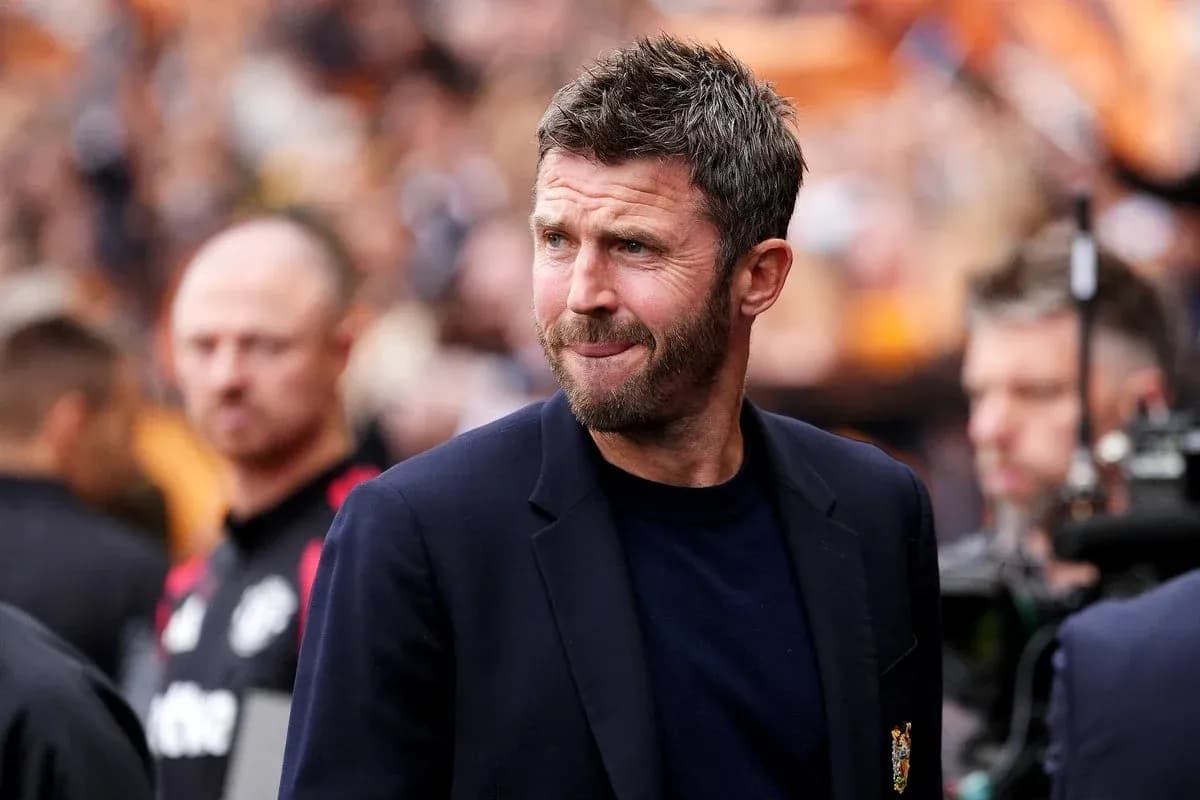
There is one table Michael Carrick cares about, and Manchester United sit on top of it. Since his appointment in January, no Premier League side has taken more points. For once, Old Trafford can talk about a league table that has nothing to do with chequebooks.
That is the twist. Over the last 13 years, United have grown used to leading a very different ranking: transfer spending. This summer, the numbers told another story. And for those who live for the transfer window, it is a jarring one.
United step off the carousel
When the window shut, United were nowhere near the big spenders. According to Transfermarkt, they shelled out £148m, potentially rising to £155m, and every penny of it went on midfielders. No senior striker. No senior defender. No extra body up front or at the back to feed the fantasy of a lavish rebuild.
Across the league, the usual heavyweights opened the taps. Manchester City went beyond £400m. Chelsea and Tottenham both surged past £300m. Newcastle, Aston Villa, Liverpool and Arsenal all cleared £200m. United? Down in 11th place in the gross spending table, outspent by promoted Ipswich and Hull.
Austerity, Old Trafford style? Carrick was never going to call it that. Publicly, he toed the line and did it with conviction.
“Certainly, the players that we've brought into the group, I'm absolutely delighted with,” he said. “I think we've done some really good business there for the quality and the level of player that we've got. You can always look at it, and there's other things you can do or possibly could have done.”
The last line lingered. The deals they “possibly could have done” felt like the real story.
Targets they could not reach
The sense around United was not of a club that chose to sit out the market, but one that could not stretch to the calibre of target they wanted. On deadline day, they were offered Rayan Ait-Nouri on loan. They listened, but passed. A permanent move for Lewis Hall? That was fantasy territory, even if Newcastle had been willing to sell.
The reasons stack up quickly. One is painfully familiar: United’s chronic inability to shift unwanted players.
They could not legislate for Manuel Ugarte’s World Cup injury, but they certainly began the summer expecting to cash in on him. Andre Onana and Joshua Zirkzee were also viewed as potential sources of income. Instead, Zirkzee is still at Old Trafford and Onana has gone back to Trabzonspor on loan, generating no meaningful fee.
The one player they might end up relieved to have kept is Marcus Rashford. Barcelona had an option to buy him for £26m. They did not take it up. If Rashford reclaims a starting spot and his old form, that figure will look laughably low.
United, though, had pencilled in a different reality. Between Ugarte, Onana, Zirkzee and perhaps Rashford, they might have imagined raising £50m, maybe even nudging towards £100m. Instead, the only significant fee they banked effectively came from a deal involving Rasmus Hojlund and Napoli that had been put in place back in 2025.
Strip that out and the picture is stark: only Coventry brought in less from sales. In the net-spend standings, United rise a little because clubs like Villa and Chelsea actually made profits, while Newcastle flirted with doing the same for much of the summer. Even so, United look like an outlier among the modern traders who buy, sell and flip assets relentlessly.
Paying the price for past mistakes
They are an anachronism in another way. The transfer market has inflated to absurd levels, but United, of all clubs, seemed caught out by it. Midfielders they liked – Elliot Anderson, Mateus Fernandes – suddenly moved for enormous fees. United, once the financial bully in the room, could not get close.
If there is a credit crunch at Old Trafford, it has roots in their own past. The heavy losses on the likes of Antony and Casemiro are starting to bite. Even last summer’s business carries a question mark: Senne Lammens arrived as a bargain, but the club may have overpaid for at least some of the £200m attacking trio of Bryan Mbeumo, Mateus Cunha and Benjamin Sesko.
The annual accounts tell the rest of the story. They regularly show tens of millions owed to other clubs in staggered transfer payments. On top of that sit the interest charges on the debt loaded onto United by the Glazer family. Every year, money bleeds out before a ball is kicked.
Ruben Amorim’s brief and turbulent tenure added another line to the bill. United paid Sporting CP €11m in compensation to bring him in. They then carried on paying the Portuguese coach after sacking him. The footballing cost was just as stark: finishing 15th in the Premier League in 2025 slashed prize money, and a season of only 40 matches – exiting the Carabao Cup to Grimsby under Amorim, and the FA Cup to Brighton under Darren Fletcher – choked off matchday and broadcast income.
Carrick has walked into that financial hangover and been told to rebuild anyway.
A rebuild on a tighter budget
So this is what a budget reset at Manchester United looks like.
Youri Tielemans arrived via a £35m release clause. At that price, he cost £90m less than Enzo Fernandez. Andrey Santos, another midfield addition, came in £77m cheaper than his former Chelsea teammate. At Stamford Bridge, Santos was often a substitute while Fernandez started; at Old Trafford, the gap in their fees tells its own story.
Carlos Baleba was the priciest of the trio at an initial £65m. In this market, that made him only the 10th biggest signing by a Premier League club this summer.
For once, United are not the ones distorting the market. They are trying to survive it. Carrick has the league’s best points haul in 2026, a thinner squad than many rivals, and a club finally feeling the weight of its own excess. The question now is brutally simple: can he keep United top of the table that really counts while the money runs tighter than anyone at Old Trafford is used to?