Manchester United’s Shift: Smarter Spending and Left-Back Dilemmas
Manchester United are no longer trying to win the transfer window on headlines alone. Under Sir Jim Ratcliffe’s control of football operations, the club has stepped back from the era of statement signings and nine-figure swings, even as rivals like Tottenham and Arsenal push hard with big-money deals.
That doesn’t mean United will never break the £100million barrier again. It does mean Paul Pogba’s £89m record from 2016 looks safe for a while yet.
Last summer’s £225m outlay came after United missed out on the Champions League, a familiar pattern of overspending in a rush to get back to Europe’s top table. This time, with a top-three finish secured and a place in the competition already booked, the strategy has shifted. The squad needs work in several areas, midfield included, and the club have decided that spreading the budget makes more sense than loading it all onto one marquee name.
It’s a colder, more calculated approach. Not as glamorous. Potentially more sustainable.
The Left-Back Problem That Won’t Go Away
One question keeps coming back: when are United signing a left-back?
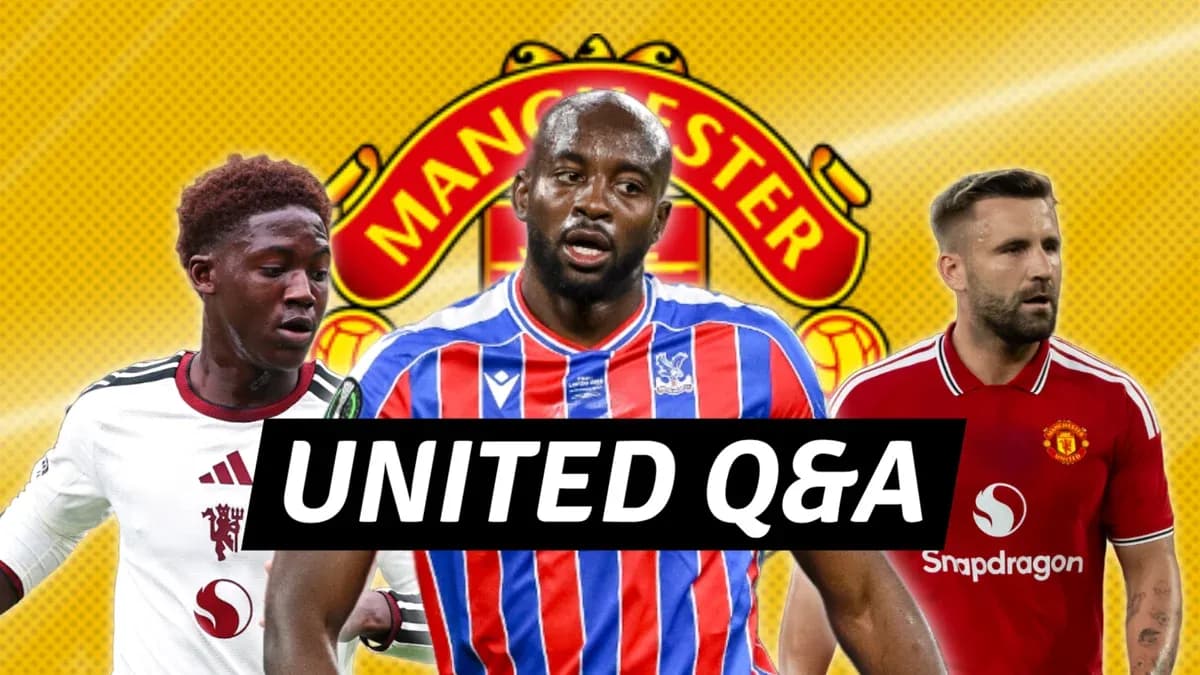
Supporters have been blunt about it, and with good reason. Luke Shaw’s injury history is no secret, and while he came through last season unscathed, this year’s congested schedule leaves little margin for risk. Behind him, Harry Amass is highly rated but nowhere near the level required to cover that position across a long, high-pressure campaign.
United’s handling of Lewis Hall has only sharpened the frustration. The Newcastle left-back looked a logical target, but the club never truly pushed. Whether Hall would have been open to the move is unclear, yet the lack of a serious attempt has been read as a lack of ambition.
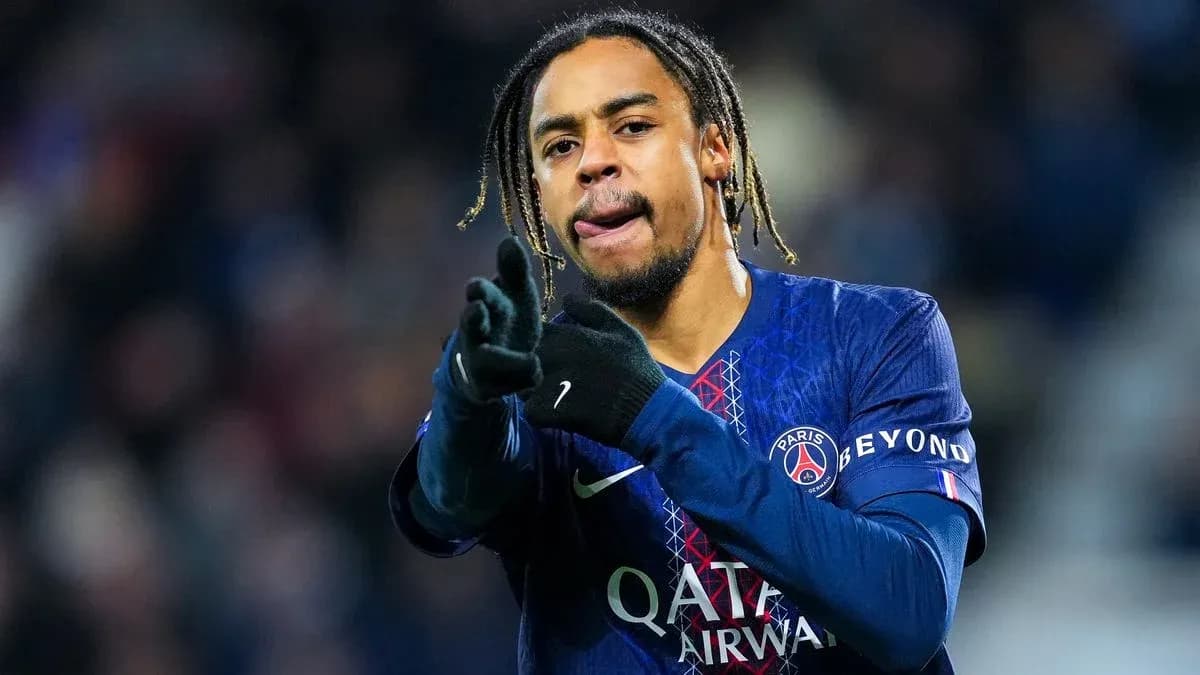
The club do want a left-back. The message from the decision-makers is clear: the deal has to be at the right price. The arrival of Carlos Baleba this week underlined that new stance. United walked away from Baleba last summer when the numbers didn’t add up, then came back when they felt the value was right. They are prepared to do the same in other positions, even if it irritates supporters who just want the gap filled.
Still, with the window ticking down and no new left-back through the door, that patience is wearing thin.
Mainoo, Baleba and the Shape of United’s Midfield
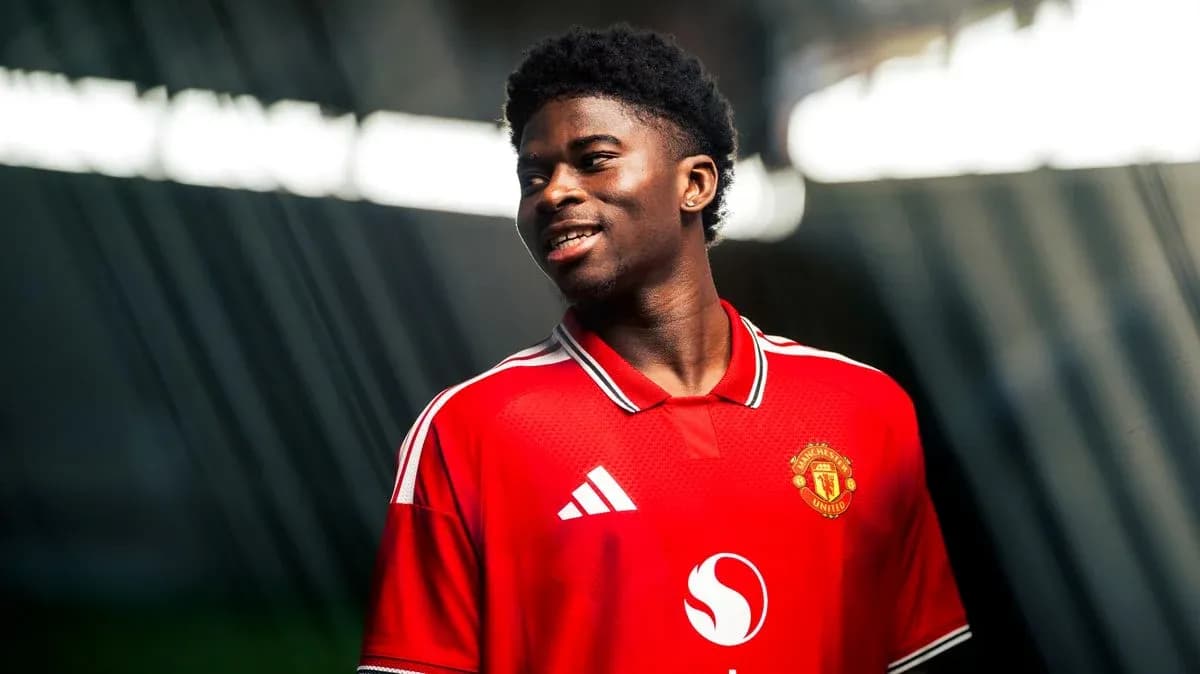
Another flashpoint is the midfield. Specifically, how Kobbie Mainoo fits alongside Baleba.
Some fans see it as an either-or situation. Mainoo, they argue, is already good enough to anchor the midfield, so why spend on Baleba, who they view as the lesser player? That framing misses the point of how United see the pair.
Inside the club, Mainoo and Baleba are viewed as very different profiles who can complement each other rather than compete directly. A Mainoo–Baleba partnership is very much on the table for this season, not a fantasy scenario.
As for Mainoo’s minutes, there’s a simple reason he hasn’t been starting every game. He only returned to pre-season training less than three weeks ago. That left him short of the sharpness required to start the opening-day defeat at Hull. He came off the bench midway through the second half at the MKM Stadium and is now in contention to start on Sunday.
United are building around him. Mainoo is both the present and the future of their midfield. His role is not under threat; it is being managed.
Cover for Shaw, Backup for Sesko
The anxiety around left-back is bleeding into other areas of the squad. Some fans fear that all the good work of the summer could be undone if United fail to bring in proper cover for Shaw. That might be overstating it, but the concern is understandable.
United cannot afford to gamble on Shaw staying fit again across a season that will be packed with league, cup and European fixtures. A new left-back isn’t a luxury. It looks like a necessity.
There are also calls for a more experienced backup striker, with Jean-Philippe Mateta at Crystal Palace suggested as an ideal foil for Benjamin Sesko. The logic is clear: a seasoned Premier League forward who can step in without disrupting the structure of the side. Whether United move for that kind of profile before the deadline remains to be seen, but the idea fits the new, more targeted recruitment model.
United’s summer has been about restraint, structure and long-term planning. That’s the theory, at least. The reality will be judged when the games pile up, Shaw’s fitness is tested, and Mainoo and Baleba are asked to prove that this quieter revolution can actually carry a club of United’s size through a brutal season.