Manchester United 5–2 Ipswich Town: Fernandes Stars with Hat-trick
Old Trafford arrived with nerves. A 2–0 defeat to Hull City still hung in the air, and when Leif Davis drilled Ipswich Town into a shock early lead, the mood darkened fast. Another bad afternoon? It briefly felt that way.
Then Bruno Fernandes took over.
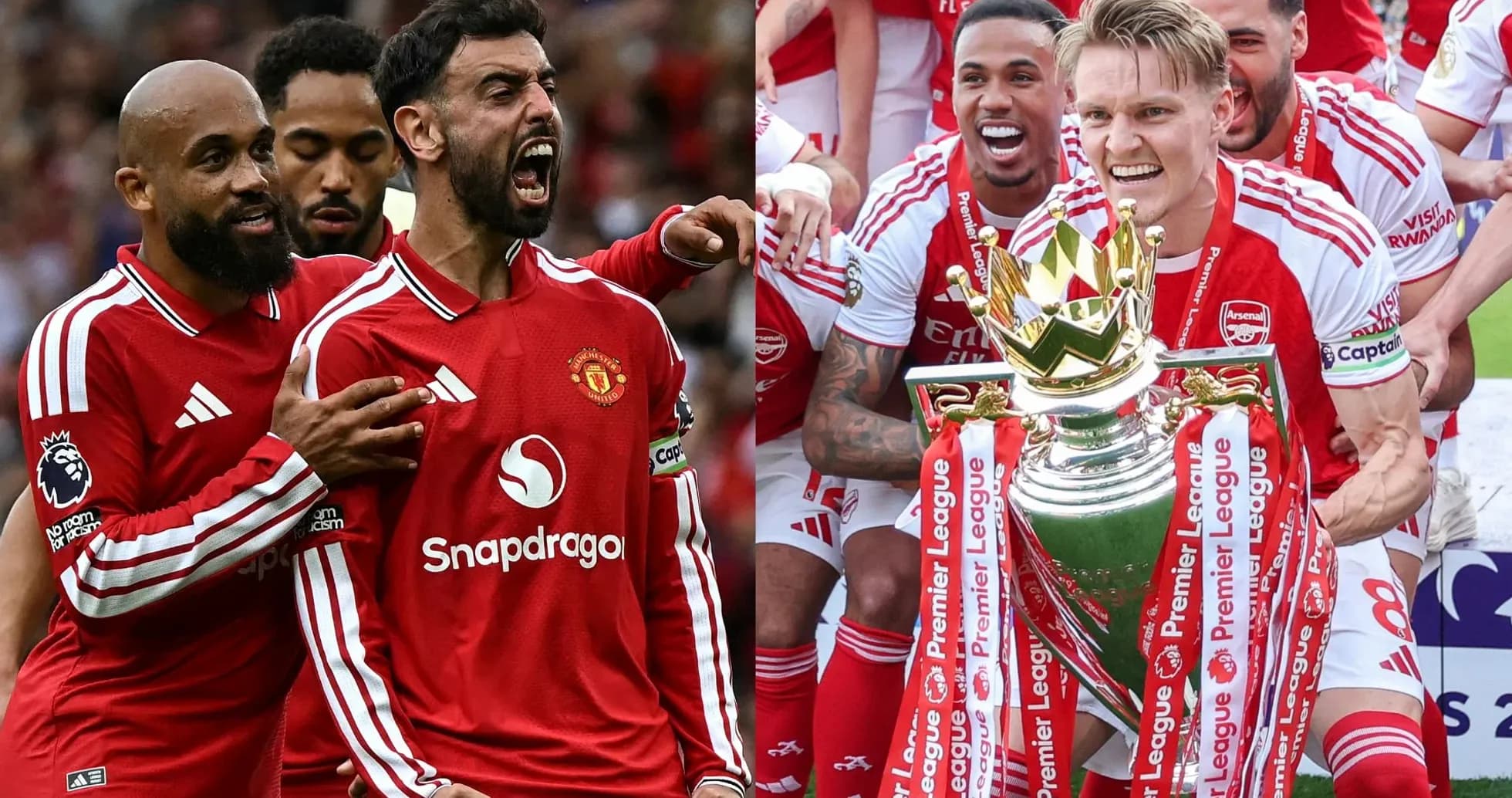
The captain produced a devastating hat-trick to flip the game on its head and turn anxiety into a swaggering 5–2 win over the newly-promoted visitors. By the time Jacob Greaves had put through his own net and Bryan Mbeumo added a late fifth, the contest was over and Chuba Akpom’s stoppage-time strike was nothing more than a statistic.
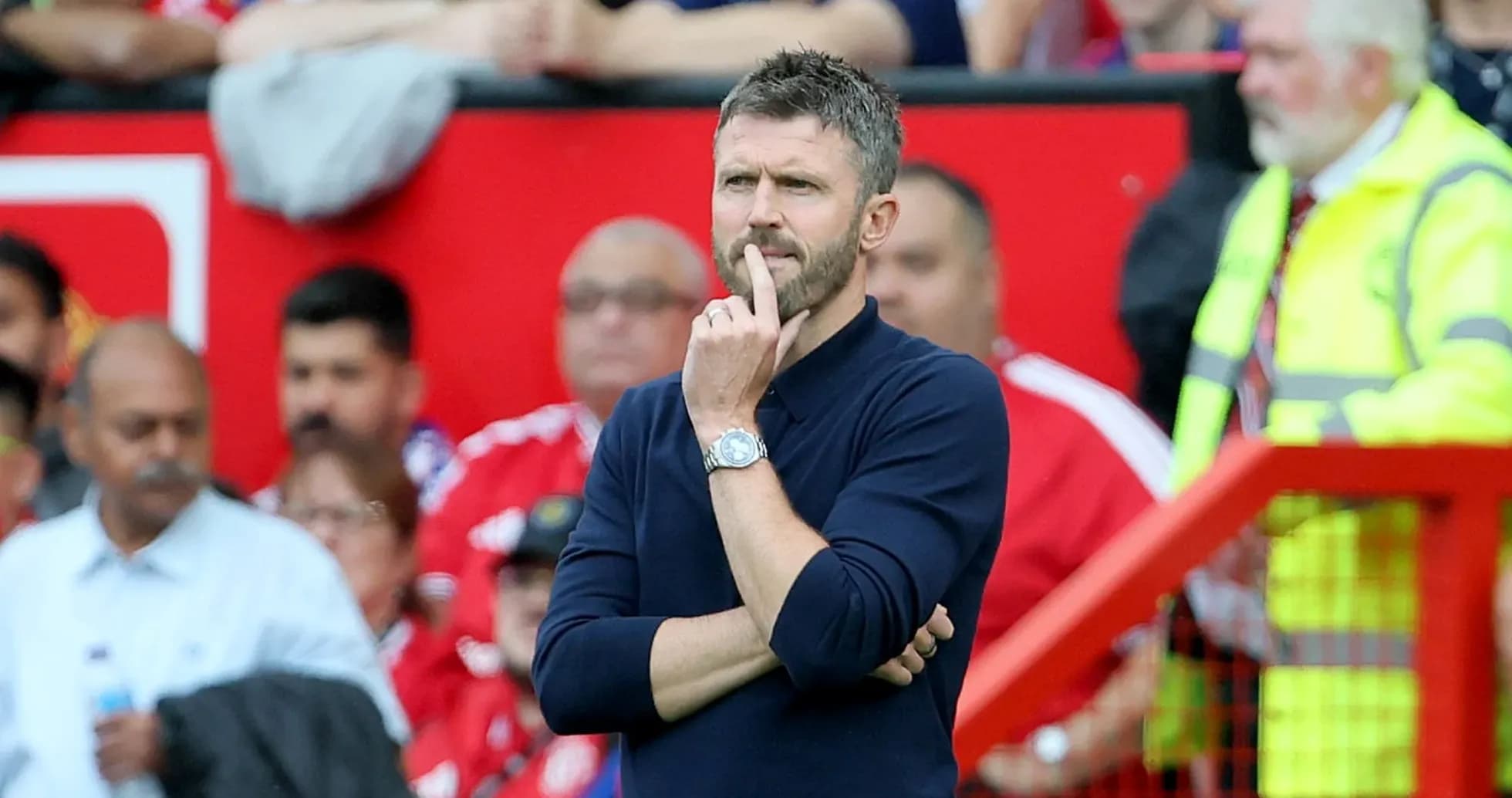
For Michael Carrick, this was about more than three points. It was about a response.
United had been accused of folding too easily at Hull. Here, after the early blow from Davis, they surged back with a ruthless edge that has too often been missing. Fernandes drove them on, scoring with the authority of a player determined to drag his side away from a crisis narrative.
Once the game opened up, Ipswich couldn’t live with the tempo. United’s attacks came in waves, Fernandes at the heart of everything, feeding off sharp movement and quick combinations around the box. The hat-trick guaranteed the headlines, and rightly so. But the platform beneath it mattered just as much.
At the base of that platform stood Kobbie Mainoo.
Given his first start of the campaign, the young midfielder played like he had never been away. Calm on the ball, sharp in the press, he stitched United’s play together from deep and gave his side the control they had so badly lacked at Hull. Carrick did not hide his admiration, calling Mainoo “immense” and crediting him as essential to the entire performance, even as Fernandes claimed the glory.
The pressure finally eased once United pulled clear in the second half. With the scoreline comfortable, Carrick turned to his bench. On came Benjamin Sesko, Andrey Santos and Noussair Mazraoui – senior figures topping up minutes, match rhythm carefully managed.
That, though, is where Wayne Rooney’s mood shifted.
Watching on, the former United striker wanted something different. Speaking to The United Stand, Rooney made it clear he felt the closing stages were tailor-made for teenage winger Shea Lacey.
“What I would liked to have seen, which I’m a bit disappointed we didn’t see, was Shea Lacey come on when the game was done,” Rooney said. “For young players when the game is over it’s an opportunity for them to go and get some minutes and go and show what they can do at that level.”
Rooney has lived this story before. He referenced Marcus Rashford’s breakout, when an injury crisis and a seemingly low-risk opportunity turned into a career-defining launchpad. In his eyes, this was one of those rare, low-pressure windows that managers rarely get across a long season.
“I would’ve liked to see Shea Lacey come on just to get a glimpse of what we’ve seen in pre-season,” he added. “It’s little moments like that where you don’t get many times during the season where you’re able to do that. So that was a little bit of a missed opportunity.”
Carrick, for his part, leaned into the bigger picture. The scars from Hull were still fresh, and going behind again had threatened to reopen them.
“We spoke before about trying to overcome last week, and then we took a mini setback if you like, going a goal behind,” he told the press. “But showing stubbornness, belief, confidence, and togetherness the boys showed at that stage... I think that was really pleasing for me.”
Relief, then, was the dominant emotion in the home dugout. The psychological test had been passed. United had stared at another damaging result and, this time, refused to blink.
Yet Rooney’s point lingers in the background. On a day when Fernandes hit three, Mainoo bossed midfield and the mood at Old Trafford finally lifted, the sight of Lacey remaining unused on the bench carried its own quiet question.
If not in a 5–2 home win, when will United’s next star get his first taste of the stage?