Manchester United 5–2 Ipswich: A Tactical Breakdown
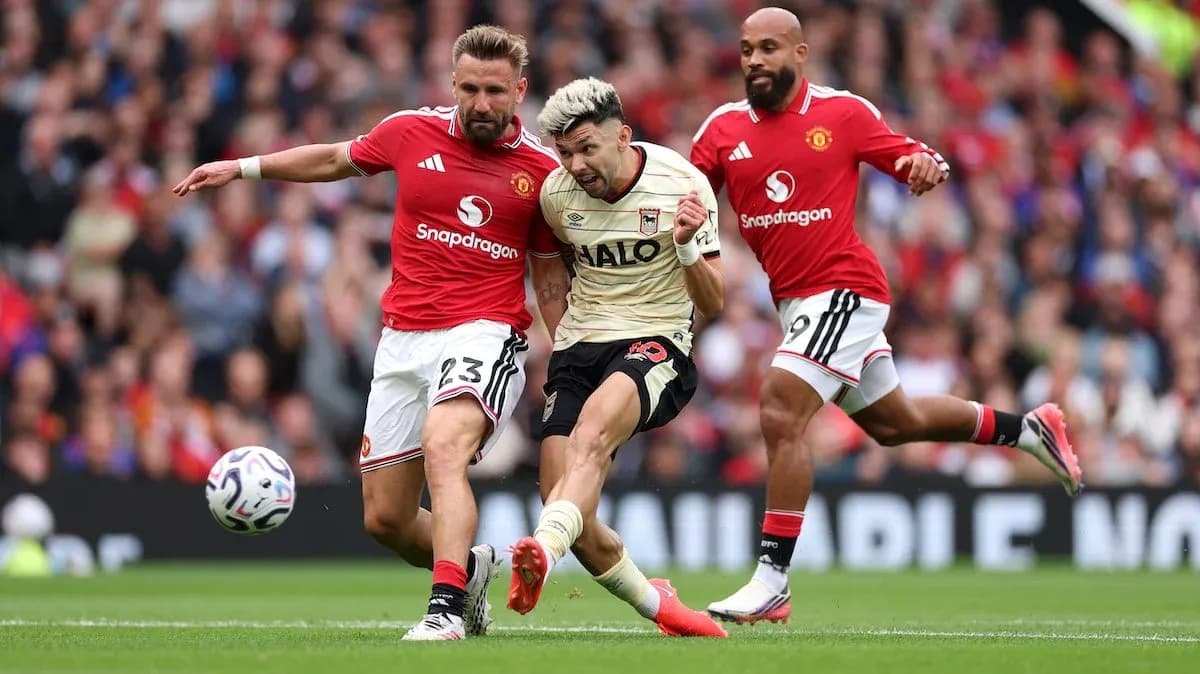
Old Trafford under late‑summer light felt less like a theatre of dreams and more like a proving ground. Manchester United arrived with questions after an opening‑day defeat, Ipswich with the optimism of newcomers who had already tasted victory. By the final whistle, the scoreboard read 5–2 to United, and the early‑season Premier League table had been sharply reframed.
Following this result, United sit 10th with 3 points from 2 matches, their overall goal difference at +1, built from 5 goals scored and 4 conceded. Ipswich, also on 3 points but 12th, carry a goal difference of −2 after 4 goals for and 6 against overall. The symmetry of both sides’ records – one win, one loss – hides a clear divergence in their emerging identities.
United's Formation and Strategy
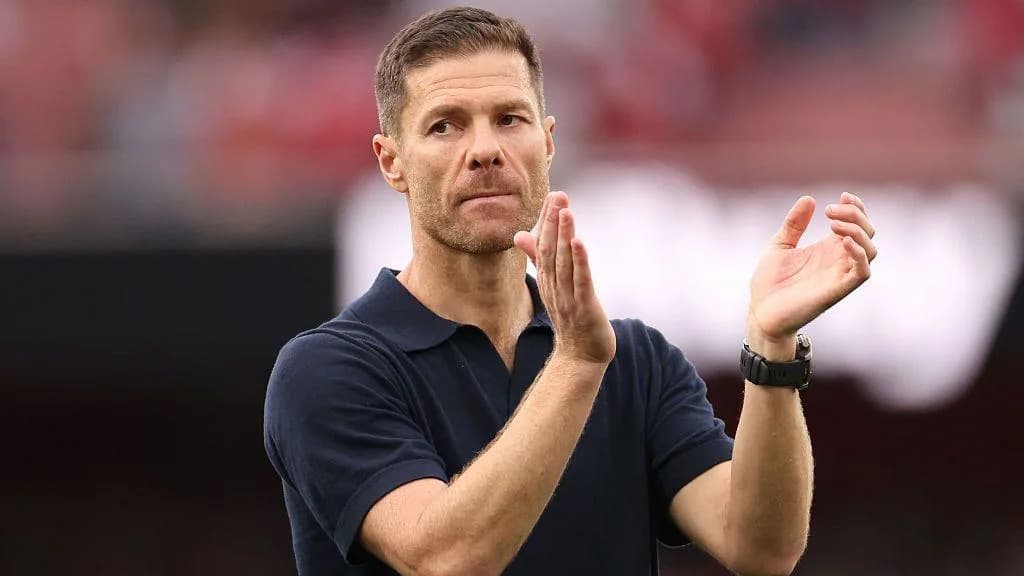
For United, Michael Carrick has already nailed his colours to the mast: this is a 4‑2‑3‑1 built around Bruno Fernandes as the creative axis and an aggressive front four. At home they have been devastating. Across their 1 home match, they have scored 5 and conceded 2, an average of 5.0 goals for and 2.0 against at Old Trafford. On their travels they have yet to find the net, losing 2–0 in their only away outing, but in front of their own crowd the attacking patterns are beginning to look repeatable rather than random.
Carrick’s hand has been forced by a brutal injury list. C. Baleba (ankle), A. Diallo, T. Heaton, M. Mount (foot), M. Ugarte (knee) and M. de Ligt (back) were all ruled out, stripping depth from every line. That context makes the control United found here more impressive. With no specialist destroyer like Ugarte available, Kobbie Mainoo and Youri Tielemans were asked to act as a double pivot that could both build and shield.
Mainoo, stationed in front of the centre‑backs, gave United the rhythmic passing they needed to keep Ipswich at arm’s length, while Tielemans stepped higher to connect with Fernandes. Ahead of them, Bryan Mbeumo and Marcus Rashford started wide, with Matheus Cunha as the nominal striker. But the real shape was more fluid: Rashford frequently drove inside from the left, Cunha dropped to link, and Mbeumo darted into the half‑spaces on the right. Fernandes roamed across the line, often appearing in the right inside‑channel to overload Ipswich’s left.
Defensive Challenges
Defensively, United remain a work in progress. Overall this campaign they are conceding 2.0 goals per match, both at home and away. There are no clean sheets yet, and they have yet to demonstrate the kind of defensive solidity that turns performances into streaks. Harry Maguire and Lisandro Martínez formed the central pairing, with Diogo Dalot and Luke Shaw as full‑backs. The line was often high, compressing play but exposing space behind, something a more ruthless counter‑attacking side than Ipswich could exploit.
Ipswich's Approach
For Ipswich, Gary O’Neil mirrored the 4‑2‑3‑1, but the details told a different story. The absences of Florentino (inactive), A. Matusiwa, J. Philogene and J. Taylor removed both bite and flair from the spine and flanks. In their place, Sasa Lukic and M. Nunez formed the double pivot, with Issahaku Fatawu and Julio Enciso supporting from advanced midfield roles and Emersonn leading the line.
Ipswich’s season profile is already stark. Overall they score 2.0 goals per match – 2 at home and 2 away – but concede 3.0 on average, with a clear split: just 1.0 goal against at home, but a bruising 5.0 conceded away. Old Trafford simply amplified a pattern: O’Neil’s side can punch, but they cannot yet protect themselves when they step into hostile territory.
Disciplinary Patterns
The disciplinary patterns of both teams hint at the emotional texture of their games. United’s yellow cards have been evenly split: 50.00% of their cautions arriving between 31–45 minutes and 50.00% in stoppage time between 91–105 minutes. That profile suggests a side that occasionally loses control either side of the interval and at the death, but without chronic indiscipline. They have yet to receive a red card this season. Ipswich, by contrast, concentrate their bookings earlier: 66.67% of their yellows have come between 31–45 minutes and 33.33% between 46–60 minutes. It paints a picture of a team that starts aggressively and sometimes mistimes the adjustment as matches heat up.
Key Players
Within that frame, the individuals who define each side’s narrative are already emerging. Fernandes is the league’s leading scorer so far with 3 goals and 1 assist in 2 appearances, playing every one of United’s 180 minutes. He has taken 5 shots, 4 on target, and completed 151 passes at 84% accuracy, with 6 key passes. His penalty record is perfect this season: 1 taken, 1 scored, no misses. He is not just United’s creator; he is their finisher and tempo‑setter, winning duels, pressing from the front, and even contributing with a blocked shot and an interception.
On the Ipswich side, Enciso has quietly become their creative engine. In 2 matches he has 2 assists, 47 passes at 85% accuracy, 2 key passes and 11 dribble attempts with 6 successful. He duels relentlessly – 21 contests, 12 won – and draws fouls that help Ipswich climb the pitch. Alongside him, Fatawu offers directness: 5 tackles, 1 interception, 12 dribble attempts with 6 successful, and 5 key passes from 25 total passes. His single yellow card so far underlines his willingness to engage physically, but also the fine line he walks.
Up front, Emersonn and Chuba Akpom give Ipswich different profiles. Emersonn, starting both matches and scoring once, has 3 shots (2 on target), 3 key passes and 2 successful dribbles from 2 attempts. He is a willing runner and a combative presence, winning 8 of 18 duels. Akpom, used from the bench in both games, has also scored once from a single shot on target, winning 5 of 14 duels and drawing 2 fouls. For now, O’Neil seems to prefer Emersonn as the starting “hunter”, with Akpom as the impact option.
Defensive Shield
The defensive “shield” on Ipswich’s side is more collective than individual. Lukic and Nunez are tasked with screening a back four that struggled badly at Old Trafford, conceding 5 and allowing United’s front four to find pockets between the lines. Ipswich’s inability to keep a clean sheet – 0 in total this campaign – is not just about the back line; it is about a midfield that can be bypassed when pressed and stretched.
United’s own discipline story is embodied, interestingly, by Patrick Dorgu. He leads the league’s early yellow‑card chart for United with 1 caution in 2 appearances, and also appears in the red‑card statistics list despite having no dismissals. In 63 minutes he has committed 4 fouls, taken 5 shots, made 17 passes and engaged in 11 duels, winning 5. He plays on the edge, and Carrick will want that aggression channelled without tipping into recklessness.
Tactical Standpoint
From a tactical standpoint, the “Hunter vs Shield” duels in this fixture were clear. Fernandes, Rashford, Mbeumo and Cunha hunted in the spaces between Ipswich’s lines; Ipswich’s defensive shield, led by Lukic and Nunez, could not compress those gaps quickly enough. At the other end, Ipswich’s hunters – Emersonn, Akpom and the creative pair of Enciso and Fatawu – found moments, as the 2 goals attest, but ran into a United side that, while far from watertight, benefited from volume of possession and territory.
Engine Room
In the “Engine Room”, Mainoo and Tielemans versus Lukic and Nunez was decisive. United’s pair used the ball more cleanly and found their No.10 early and often. Ipswich’s duo, under constant pressure, were more reactive, forced to chase shadows rather than set the tempo.
Statistical Prognosis
Statistically, the prognosis for both teams is nuanced. United’s attacking numbers at Old Trafford – 5 goals in 1 home match, with an overall scoring average of 2.5 – suggest that, if they can even modestly tighten a defence currently conceding 2.0 per game, they will climb from mid‑table. Their penalty record is flawless so far, and their use of a consistent 4‑2‑3‑1 across both fixtures points to tactical continuity.
Ipswich’s overall scoring rate of 2.0 per match is mid‑table quality; it is the defensive side, particularly away from home with 5.0 goals conceded on their travels, that drags them down. Without clean sheets and with a disciplinary curve that spikes around half‑time, they are vulnerable to momentum swings in hostile venues.
Following this result, the story is of a United side rediscovering its attacking swagger amid an injury crisis, and an Ipswich team learning harsh lessons about Premier League away days. If United’s back line can begin to match the control of their midfield and the cutting edge of Fernandes, their current 10th place will likely be a waypoint rather than a destination. For Ipswich, the task is clear: preserve the courage of Enciso, Fatawu, Emersonn and Akpom, but build a sturdier shield behind them, or risk seeing their promising attacking numbers drowned out by the roar of conceded goals.