Manchester City's Uncertain Future: A New Era Begins
The Etihad has known bad nights. This one felt different.
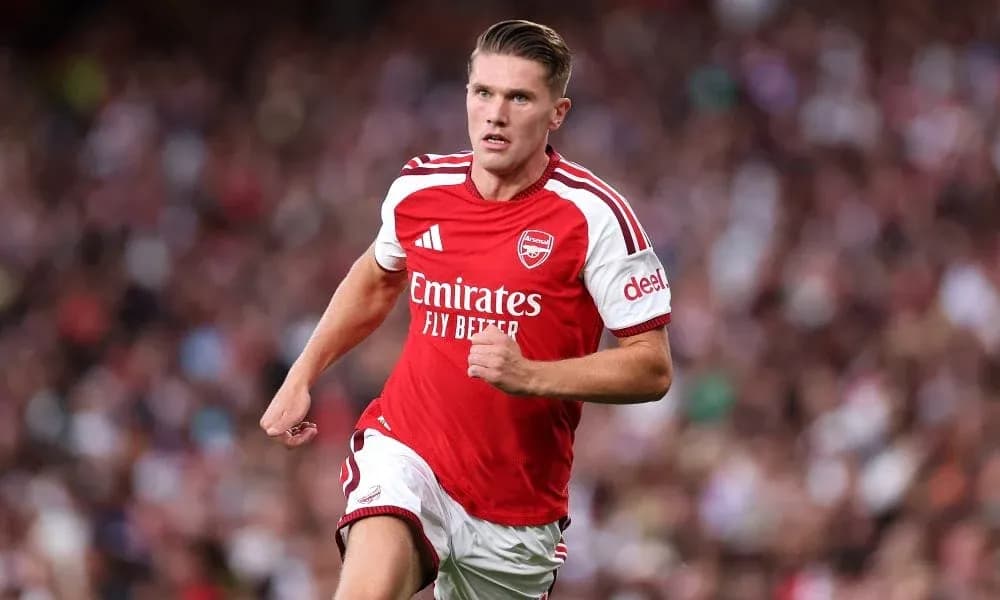
Under the floodlights, with the echo of a 0-3 defeat to Arsenal still hanging in the air, Manchester City’s home suddenly looked less like the fortress of a golden era and more like a stadium waking up to the end of it. This wasn’t a soft stumble in a glorified friendly. It was a jolt. A reminder that a project built over more than a decade can start to fracture in a single evening.
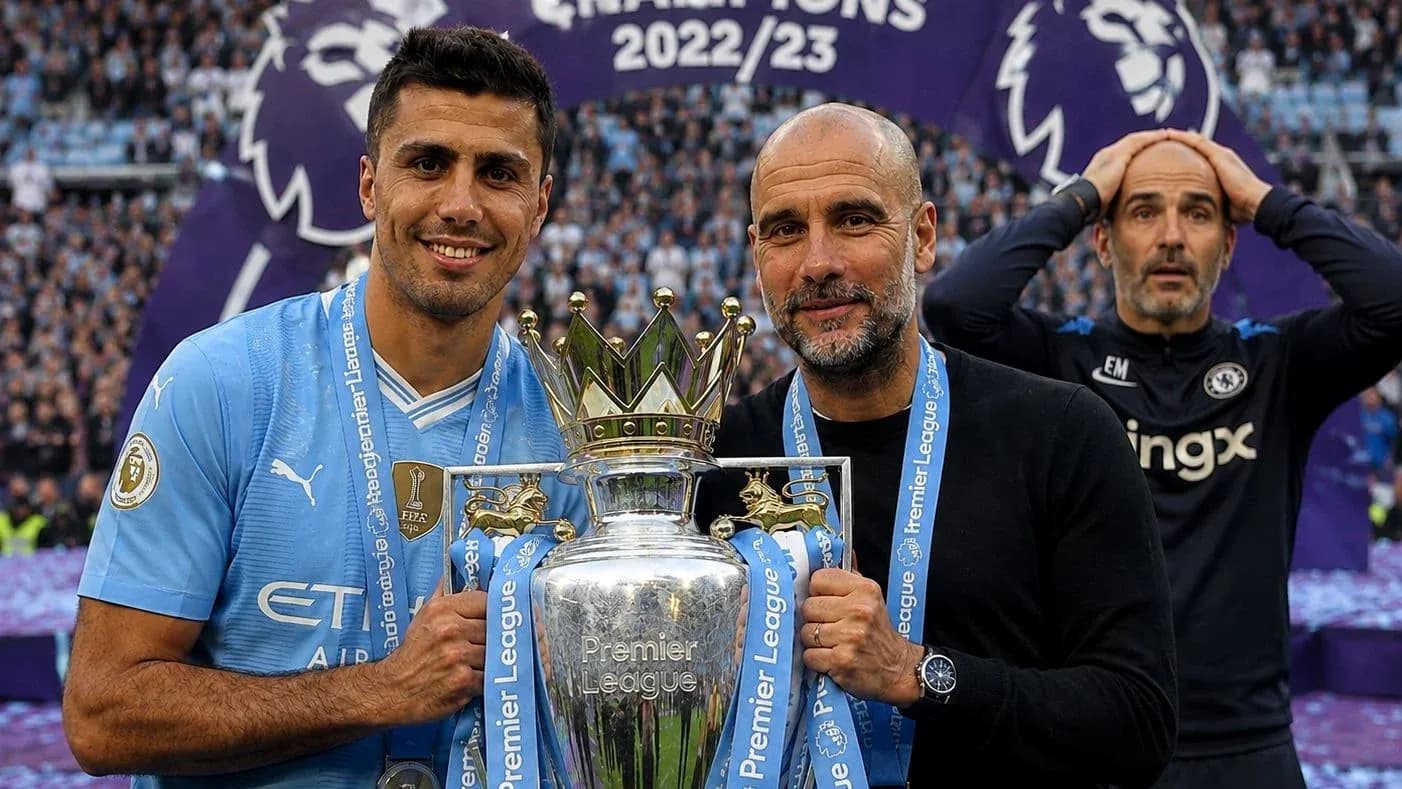
Txiki Begiristain has gone. Pep Guardiola is following. Rodri is edging towards the exit. Three pillars, all shifting at once. The club that turned winning into a weekly routine now finds itself staring at the same question that haunted the other half of Manchester a decade ago.
Can City avoid becoming the next Manchester United?
The pillars come down
The ownership remains steady. The money is still there. Ferran Soriano continues to run the operation behind the scenes. On paper, the structure looks intact.
But the foundations have moved.
Begiristain, the architect of the modern City, quietly chose to step away more than a year ago. He did not leave chaos. He left a blueprint, guiding his successor Hugo Viana through the early months. The contrast, though, has already surfaced in the market.
Begiristain signed Erling Haaland for around £60 million and Rodri for roughly £70 million, building a hugely expensive squad but constantly offsetting it with shrewd sales. That balance underpinned City’s dominance. Viana has already flown past £130 million on just two signings this summer. Same budget, different touch.
This isn’t a minor administrative shift. It hints at a change in philosophy, a soft drift away from the long-term vision that turned City into a model club. United know that feeling all too well. When Sir Alex Ferguson stepped away, the transfer strategy started to wobble, then spiral.
Now City are watching their own core disassemble.
Guardiola is the second great pillar to fall. His tactical genius is one thing; his total authority is another. For years he operated inside the club as an untouchable force. Results never threatened his position. He shaped the squad, the style, the culture. Every department revolved around him.
Enzo Maresca does not walk into that same power. He can’t. No one can.
The difference between a manager who knows he is secure, almost immortal, and one who feels the pressure from day one is enormous. It shows in decisions, in risk-taking, in the way a team plays under stress. When Guardiola leaves, the style that defined an era leaves with him. So does the psychological weight he carried into every stadium in England and Europe.
United’s experience after Ferguson is the warning sign. One experiment after another, one philosophy replacing the last, and years spent chasing a vanished identity.
Then comes the third pillar. The most fragile loss of all.
Rodri, the midfield metronome, is close to going. Few players in world football can drag a team’s level up almost single-handedly. With him, City looked complete. Without him, they looked exposed.
His previous absences told the story. The midfield lost its balance. The press lost its timing. The back line lost its shield. City’s Spanish captain didn’t just connect the lines; he held the entire structure together. Replacing that in a single window is almost impossible. Replacing it in the middle of a wider upheaval is something else entirely.
History is full of clubs who thought they could absorb the loss of their central figure and discovered, painfully, that they couldn’t. There is little reason to believe City are immune to that risk.
Maresca walks into the storm
Into this walks Maresca. A smart coach, a title-winner with Leicester City and Chelsea, and a man who knows the Guardiola playbook better than most.
He also knows now, after one brutal afternoon against Arsenal, just how steep this job is.
His first official test ended in a heavy defeat and a performance that stripped away the old certainties. City looked nothing like the relentless, suffocating machine of recent seasons. The balance was off. The solidity that once defined them simply wasn’t there.
This doesn’t decide a season. It does, though, confirm a reality: City are no longer operating from a position of untouchable strength. They are in a rebuild, whether they admit it or not.
The club still holds advantages United did not have in 2013. Ownership is stable. The infrastructure is elite. Financial planning remains sharp. Those factors could help them navigate the transition with fewer scars.
But they do not replace Txiki. They do not replace Pep. They certainly do not replace Rodri.
A fork in the road
The danger now is momentum — not the good kind. If poor results bleed into the opening weeks of the league campaign, the pressure will spike quickly. Panic decisions follow panic performances. Managers are questioned, recruitment is second-guessed, and a club that once felt unshakeable finds itself tearing up plans and starting again.
That is exactly how United slipped into their long tunnel after Ferguson: constant change, constant spend, no clear return.
City stand at that fork. They have the chance to dodge the same fate, to prove that continuity of ownership and a strong financial base can soften the blow of losing three of the sharpest minds and most influential figures of the modern game.
But the first warning flare went up against Arsenal. The fear of repetition is no longer just a media narrative. Inside the Etihad, they will feel it too.
The era built on Txiki, Pep and Rodri may never be reproduced with the same force. The question now is stark and unavoidable.
Are Manchester City about to write the next chapter of their dominance — or the first chapter of their own long, uncertain rebuild?