Manchester City Faces New Era After Guardiola: Can Maresca Deliver?
For the first time in a decade, Manchester City walk into a season without Pep Guardiola prowling the technical area.
The Spaniard’s exit slams the door on the most glittering era the club has ever known: six Premier League titles, one Champions League, and a ruthless reshaping of English football’s balance of power. City didn’t just win under Guardiola. They bent the league to their will.
Now comes the hard part.
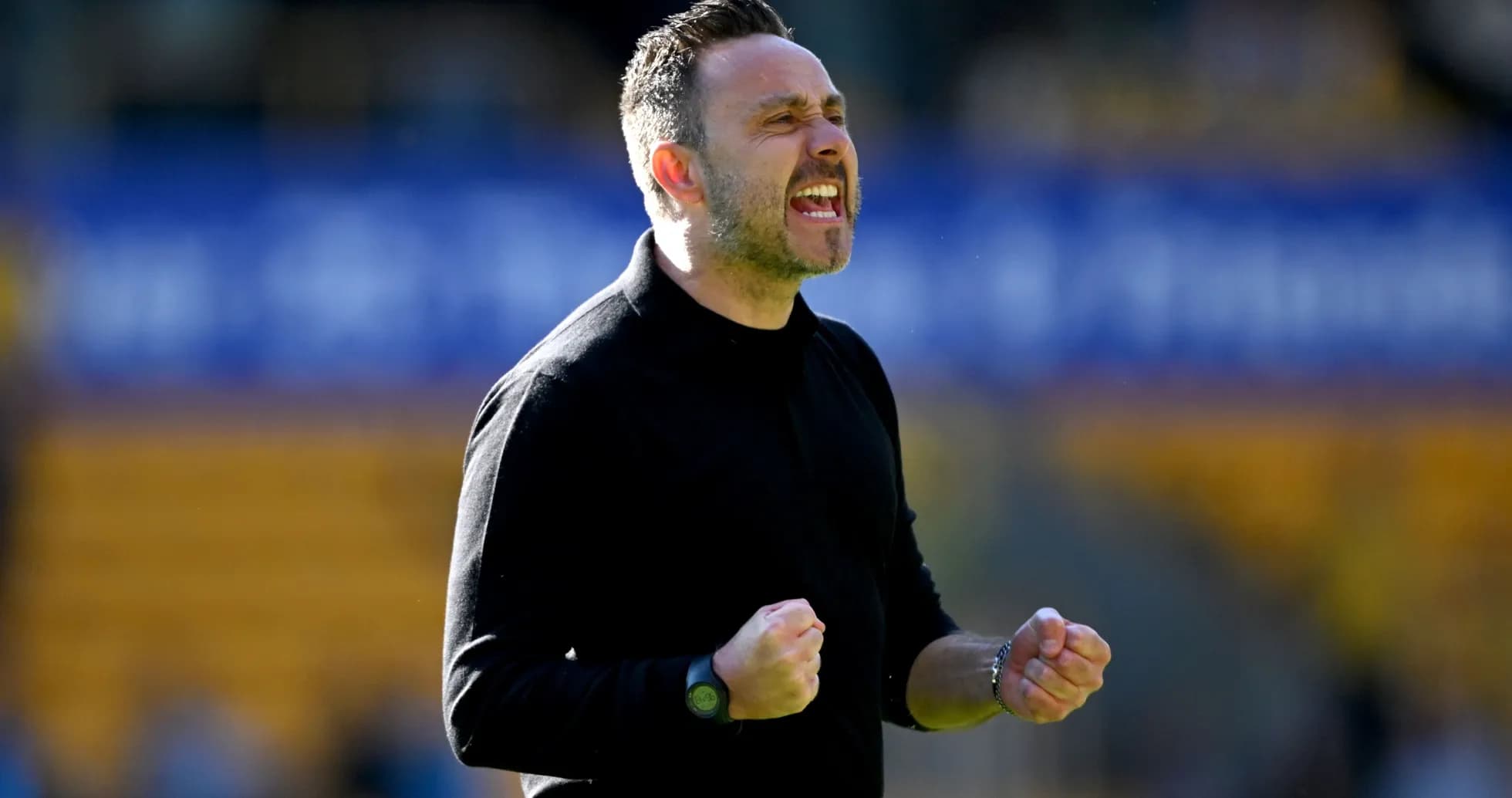
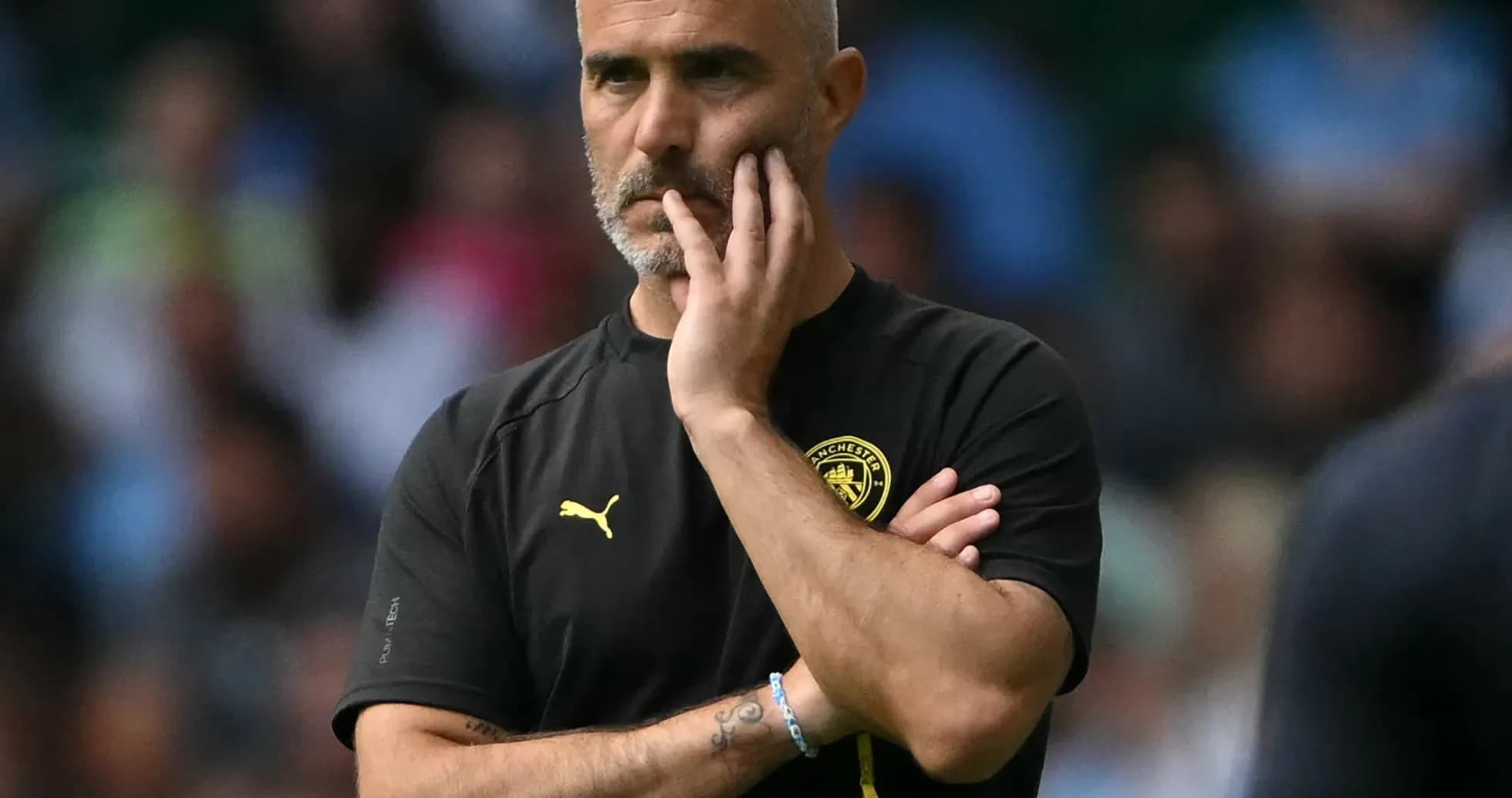
Enzo Maresca steps into the void, handed a squad still headlined by Erling Haaland and stacked with elite talent, yet overshadowed by the sheer scale of what came before. City start at home to Bournemouth on Sunday, but the questions hanging over the Etihad stretch far beyond opening day.
Can Maresca follow a legend without becoming a tribute act?
This is a club built in Guardiola’s image from top to bottom. From academy drills to first-team rotations, everything has flowed from one man’s philosophy for 10 years. It is no surprise the parallels with Manchester United’s decline after Sir Alex Ferguson are already being drawn.
Maresca knows the blueprint. He worked as Guardiola’s assistant during the treble-winning season, then sharpened his own ideas at Leicester and Chelsea. His appointment is not a wild gamble. It is a calculated attempt at continuity.
City have not ripped anything up. They have hired a believer in the same positional play, the same obsession with control. In possession, the expectation is City will still look like City.
But Maresca cannot simply press play on the old tape. He has to stamp his own authority quickly, in a dressing room full of serial winners and huge personalities. His reputation for occasionally clashing with players and staff adds an edge to a job already loaded with pressure after last season’s second-place finish.
The first glimpse was ugly. Arsenal ripped through City 3-0 in the Community Shield last Sunday, a brutal reminder that the post-Guardiola era will not be granted a gentle introduction.
How do you replace Rodri? You probably don’t.
Rodri has been City’s metronome and shield, the player who stitched their structure together with his passing, positioning and defensive instincts. He then went to the World Cup with Spain, dominated the tournament and walked away with the Golden Ball. His move to Barcelona cuts deep.
City have tried to reinforce the middle of the pitch by bringing in England midfielder Elliot Anderson from Nottingham Forest for a reported £116m ($153m). He offers energy, pressing, ball-winning and forward thrust. He is a powerful, progressive, box-to-box presence.
What he is not is Rodri.
There is no like-for-like swap here. City are also expected to push for 18-year-old Ayyoub Bouaddi from Lille, but he is a raw talent, a project for the future rather than a ready-made anchor.
The reality is harsh: there may be no better holding midfielder in world football than Rodri. Maresca may have to break the role into pieces, spread the responsibility across several younger players and hope the collective can cover what one man used to do almost flawlessly.
Can Maresca cure City’s late-game fragility?
For all their quality, City’s title bid fell apart last season in the simplest way: they could not see games out. Seventeen points slipped away from winning positions. Champions do not do that.
Maresca’s reputation leans towards pragmatism, a willingness to tighten up and manage moments rather than chase perfection in every phase. That should, in theory, help.
But theory meets reality in the transfer market. John Stones, Bernardo Silva and Nathan Ake have all departed this summer, stripping away three players who understood game tempo and control as well as anyone in the squad. Whether the new arrivals can bring the same calm under pressure is one of the clearest tactical questions of this campaign.
City do not just need to dominate the ball. They need to know when to slow everything down, when to kill a game, when to take the sting out of a stadium. Last season, they forgot. Maresca cannot afford that luxury.
Is Haaland enough to carry a title charge on his own?
Haaland remains the terrifying focal point of this team. When City click around him, few back lines can live with the combination of his movement, power and finishing.
But building a title challenge almost entirely around one striker is a fragile model. City felt that fragility themselves last season when the supply lines stuttered and the goals dried up at key moments.
Omar Marmoush offers a useful alternative option, but he is nowhere near Haaland’s level. He cannot be the answer on his own. Maresca must diversify the threat: more goals from midfield, more danger from wide, more unpredictability in the final third.
If City become too Haaland-dependent again, every minor dip in his form or fitness will feel like a crisis.
Will a World Cup hangover drag City into early trouble?
City did not just send players to the World Cup. They sent a core. Haaland, Jeremy Doku and others went deep into the tournament, with six first-team players still involved in the final week.
Maresca has started preseason with a thinner group than he would like, at the same time as the squad is being reshaped in the market. The result was visible at Wembley: City looked flat, short of sharpness and ideas, while Arsenal played with greater intensity and clarity.
“I don’t know if it was physical condition, we had many players at the World Cup,” Maresca admitted after the 3-0 defeat. “After the first goal the reaction was very good, but after the second goal it was more complicated.”
The schedule will not wait for them to catch up. The Premier League opens on Sunday, the expectation of an immediate title challenge remains, and the Guardiola era is already in the rear-view mirror.
Now we find out whether this version of Manchester City can survive without the man who built it – or whether the decade of dominance has left a hangover that no amount of talent can mask.