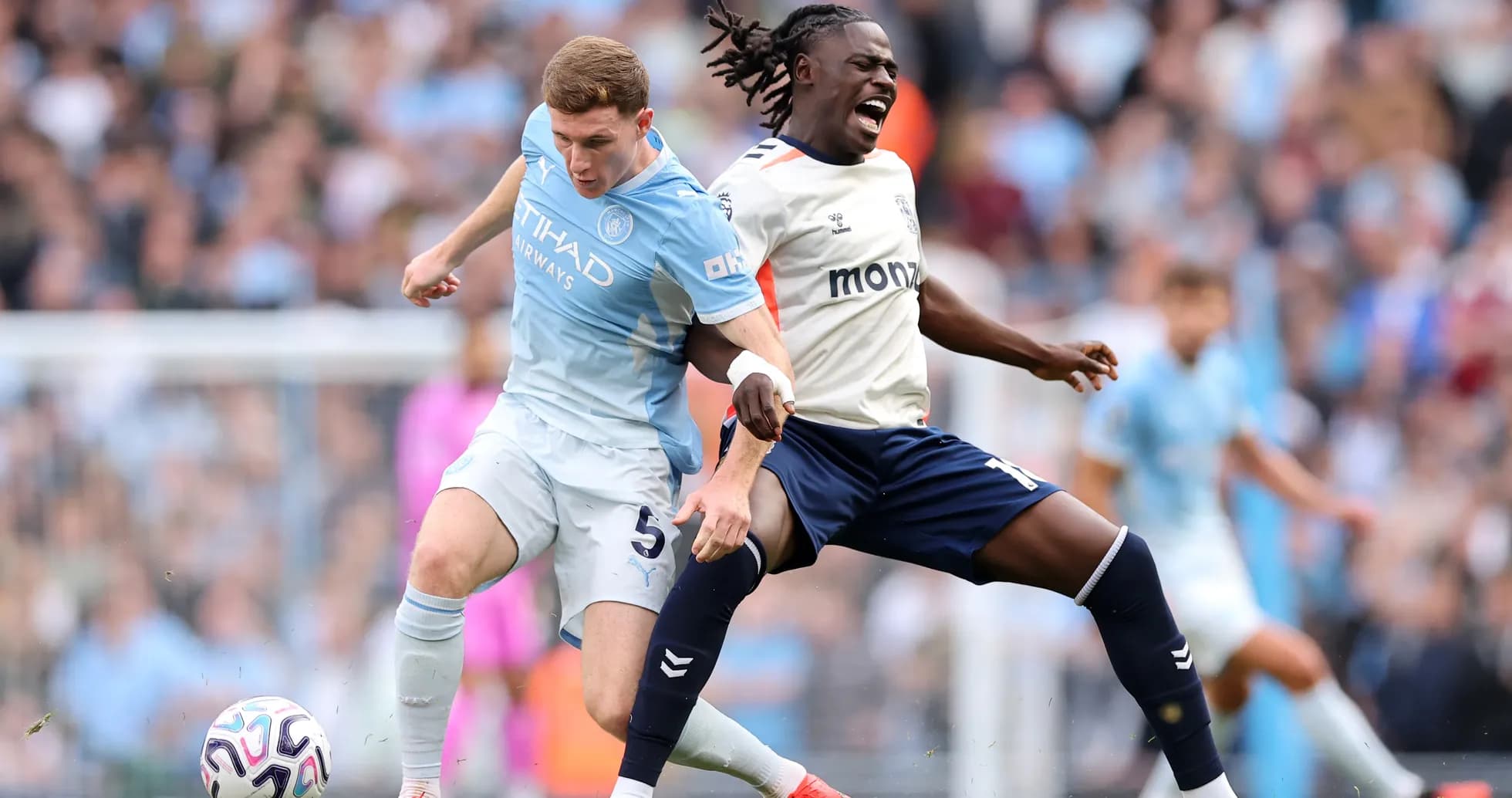
Manchester City Edge Coventry 1–0 in Premier League Clash
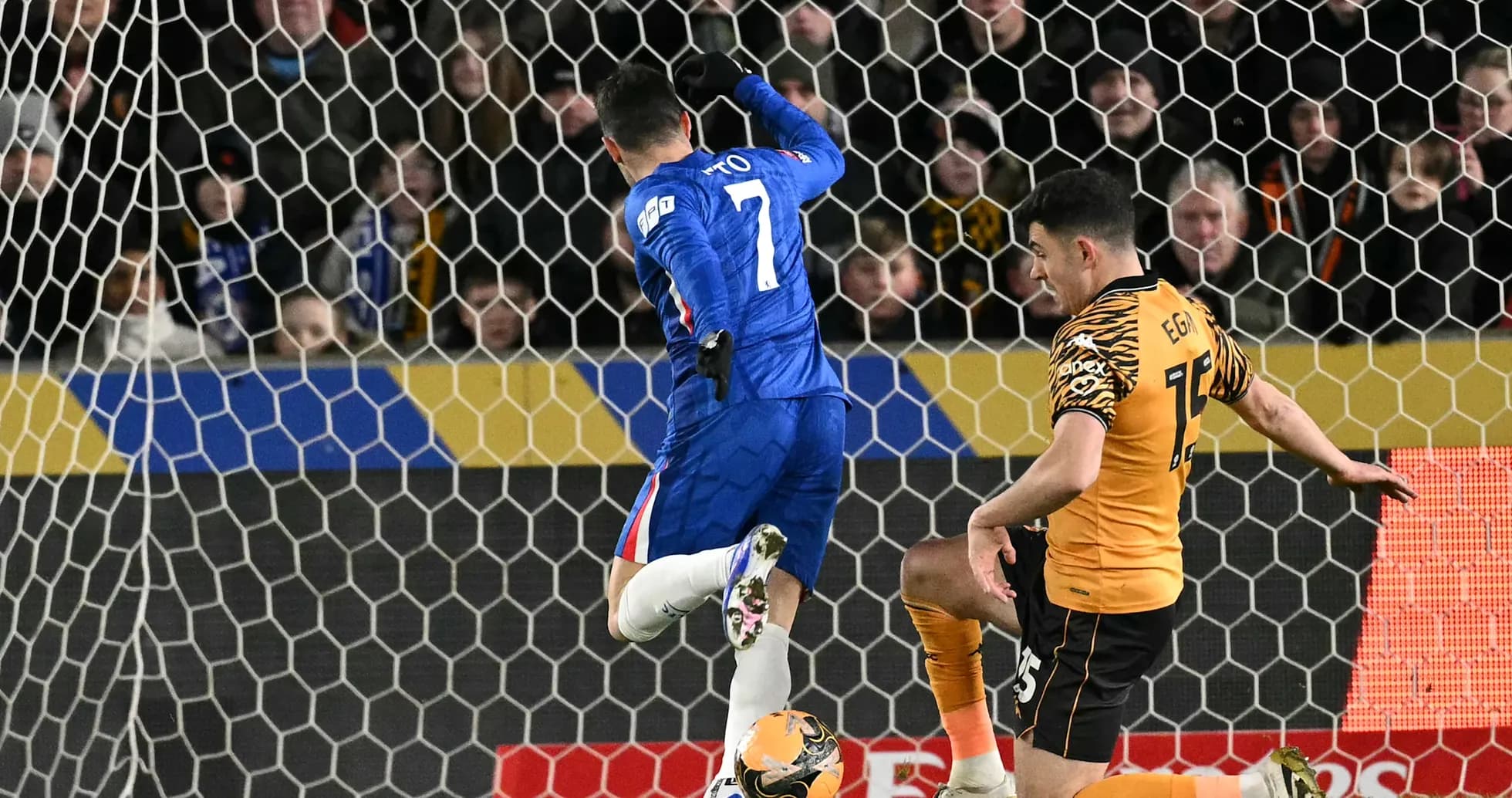
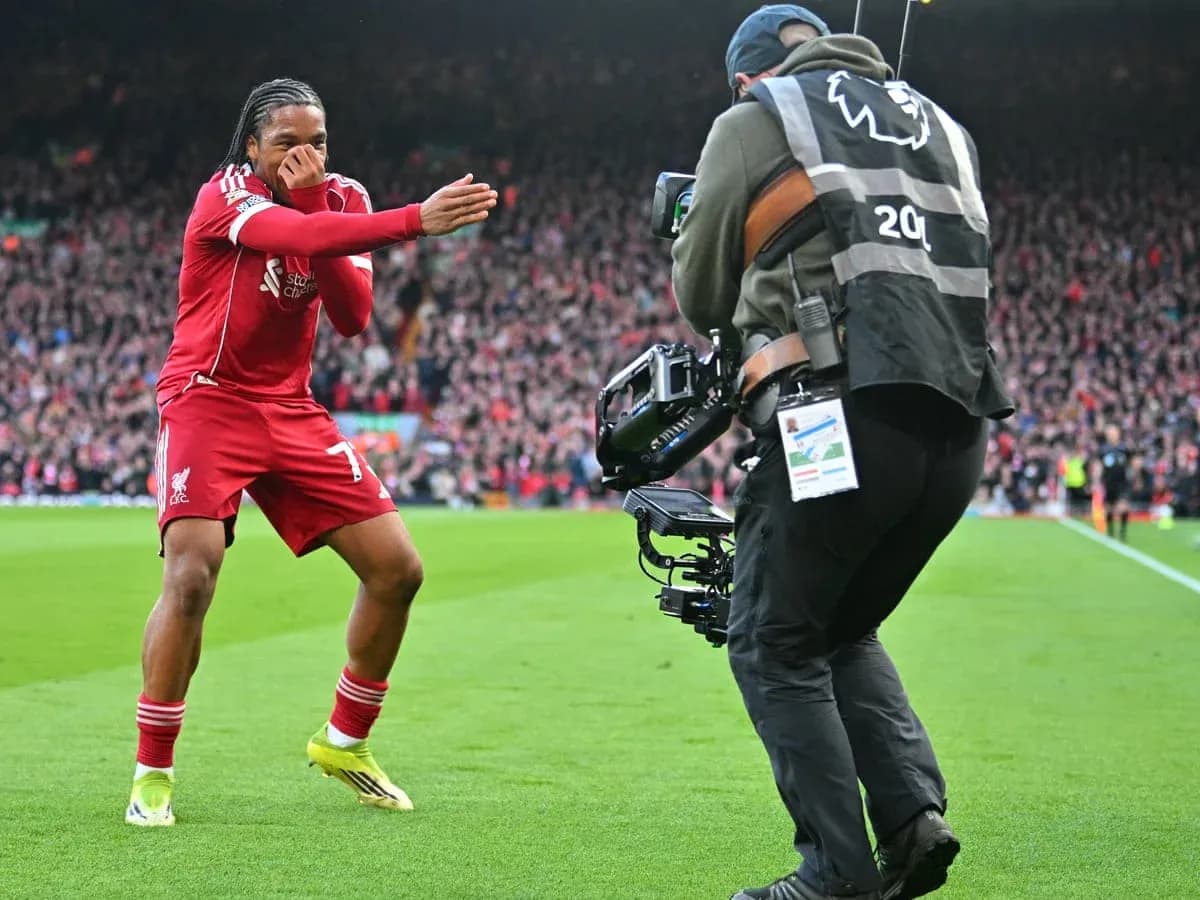
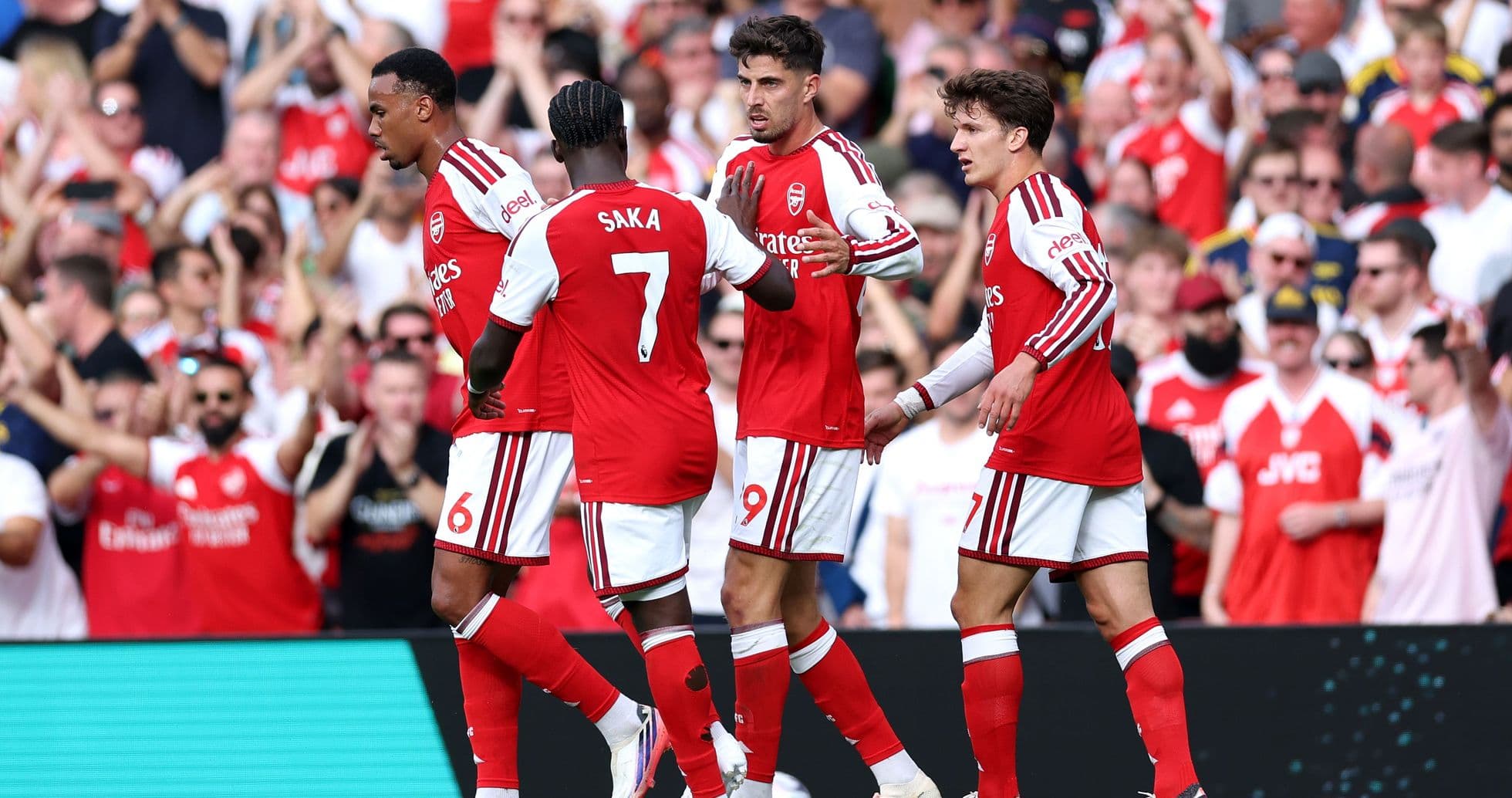
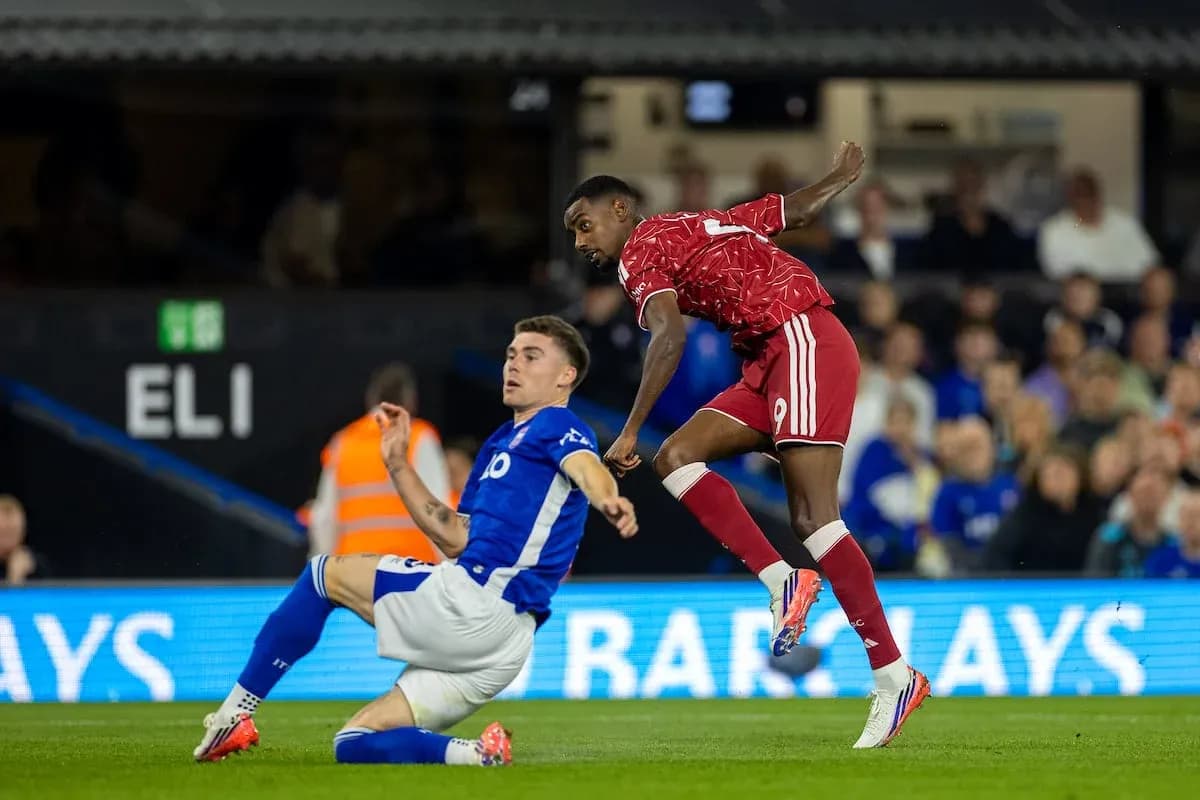
Under the grey Manchester sky at the Etihad Stadium, this Regular Season - 3 clash in the Premier League unfolded exactly as the table suggested: league leaders Manchester City, already on a perfect run, edging bottom‑placed Coventry 1–0 and tightening their early grip on the season.
Following this result, City sit 1st with 9 points from 3 matches, their overall goal difference a clean +5 from 7 goals scored and 2 conceded. At home, they have now played 2, won 2, scoring 3 and conceding 1. Coventry, rooted to 20th with 0 points from 3 games, have yet to score a league goal; overall they have conceded 5, leaving them with a goal difference of -5. On their travels, the picture is stark: 2 away defeats, 0 goals for, 4 against.
I. The Big Picture – City’s controlled superiority
Enzo Maresca stayed faithful to the structural identity that has underpinned City’s perfect start: a 4‑2‑3‑1 that behaves like a positional puzzle more than a simple formation. Gianluigi Donnarumma anchored the back, shielded by a back four of A. Khusanov, Rúben Dias, Marc Guéhi and Joško Gvardiol. Ahead of them, Enzo Fernández and E. Anderson formed the double pivot, with A. Semenyo and I. Ndiaye stretching the wide lanes, Rayan Cherki floating between the lines, and Erling Haaland leading the line.
The season numbers tell you what this system is designed to do. Heading into this game, City had scored 7 goals in total from 3 fixtures, with an overall average of 2.3 goals per match. At home, they averaged 1.5 goals, on their travels a devastating 4.0. Defensively, they conceded an overall average of just 0.7 goals, 0.5 at home and 1.0 away. They had yet to fail to score in any competition fixture and had already kept 1 clean sheet at home.
Frank Lampard’s Coventry arrived in a 3‑4‑2‑1, a shape chosen as much for survival as for ambition. C. Rushworth stood behind a back three of A. Amenda, B. Thomas and Ethan Pinnock, with M. van Ewijk and J. Dasilva as wing‑backs, and a central quartet of F. Onyeka, M. Grimes, J. Rudoni and E. Mason‑Clark tasked with compressing the middle third behind lone forward T. Awoniyi.
The contrast in seasonal DNA could hardly be sharper. Coventry came into the fixture with 3 defeats from 3, having failed to score in every game. Their overall attacking average stood at 0.0 goals per match, both at home and away. Defensively, they conceded an overall average of 1.7 goals per match, rising to 2.0 on their travels. They had no clean sheets and had failed to score in all 3 fixtures.
II. Tactical Voids – Absences and discipline
Maresca’s one notable attacking absentee was J. Doku, missing with a calf injury. His absence stripped City of a pure touchline winger, nudging more creative responsibility onto Cherki, Semenyo and Ndiaye to provide one‑v‑one threat and vertical runs.
Coventry’s list of non‑participants was longer and more structurally damaging. Y. Gboho (transfer negotiations), K. Kesler‑Hayden and H. Wright (both muscle injuries), S. Mfuni (loan agreement) and L. Woolfenden (knee injury) all missed out. The loss of Kesler‑Hayden and Woolfenden reduced Lampard’s defensive rotation options, while Wright’s absence further thinned the attacking alternatives behind Awoniyi.
From a disciplinary perspective, the underlying data painted two different emotional profiles. City’s yellow cards this season have been spread evenly: 25.00% between 31‑45 minutes, 25.00% between 46‑60, another 25.00% in the 76‑90 window, and 25.00% from 91‑105. It suggests a side that can absorb pressure without losing control in any single phase of the game.
Coventry, by contrast, spike early and late. Half of their yellows (50.00%) arrive between 16‑30 minutes, with 25.00% in the 76‑90 range and 25.00% from 91‑105. That pattern hints at a team that starts anxiously, often mistiming challenges when trying to disrupt the opponent’s rhythm, and then tires into late, desperate fouls. Caleb Marfo Yirenkyi, who has already collected 1 yellow, embodies that edge; his presence on the bench here underscored both his importance and the disciplinary risk he carries. Despite his inclusion in both yellow and red card leaderboards, he has not yet been sent off this season – an important nuance in Coventry’s disciplinary narrative.
III. Key Matchups – Hunter vs Shield, Engine Room battles
The headline duel was always going to be Erling Haaland against Coventry’s defensive block. Heading into this game, Haaland had 3 goals in the league, from 13 shots with 8 on target, and a rating of 7.8 across 270 minutes. His movement between the centre‑backs and into the blind side of wing‑backs is the cutting edge of City’s attack.
Up against him, Coventry’s defence arrived brittle: 5 goals conceded overall, with 4 of those on their travels. B. Thomas and Pinnock were asked to hold a high‑stress line, compressing space without leaving the channels open for Haaland’s diagonal runs. The 1‑0 scoreline suggests they survived the worst of the storm, but City’s season‑long averages underline how thin that margin was.
Behind Haaland, Cherki is Maresca’s creative conductor. With 2 goals and 2 assists already, 10 key passes and an outstanding 92% passing accuracy, he is both chance‑creator and finisher. His tendency to drift into the right half‑space pulled Coventry’s midfield out of shape, forcing Onyeka and Grimes into constant lateral shuttles. Every time they stepped to Cherki, they risked exposing the lane for Semenyo or Ndiaye; every time they held, Cherki could turn and feed Haaland.
Semenyo himself has become a quiet engine of this City side: 2 assists, 6 key passes, 4 shots on target and 91% passing accuracy from wide and half‑space zones. His 36 duels, with 12 won, show how much of City’s pressing and counter‑pressing he carries. Against Coventry’s right side of M. van Ewijk and A. Amenda, he repeatedly offered the out‑ball that allowed City to reset pressure and keep the visitors penned in.
Deeper, Enzo Fernández and E. Anderson controlled the tempo. City’s overall defensive record – just 2 goals conceded in 3 games, with an overall average of 0.7 – owes much to their positioning in front of Dias, Guéhi and Gvardiol. The Croatian’s broader season numbers (7 tackles, 1 blocked shot, 5 interceptions and 19 duels won from 34) underline how aggressively he steps into midfield to suffocate transitions. Whenever Coventry tried to spring Awoniyi, they found Gvardiol already in the lane.
For Coventry, the burden fell on Awoniyi’s hold‑up play and the running of E. Mason‑Clark and J. Rudoni. But with their overall attacking average stuck at 0.0 goals per match, the lack of a proven finisher or late‑arriving scorer was glaring. The 3‑4‑2‑1 often flattened into a 5‑4‑1, leaving Awoniyi isolated against two centre‑backs and a sweeping goalkeeper in Donnarumma.
IV. Statistical Prognosis – City’s measured dominance
City’s season profile is that of a controlled juggernaut: high output in attack, miserly in defence, no penalties taken or missed, and no obvious phase of the game where their discipline collapses. Coventry’s, by contrast, is a team searching for a foothold – no goals scored, no clean sheets, and a tendency to concede more heavily away, where their average of 2.0 goals against per match is unsustainable.
In tactical terms, this match played out as a compressed version of those trajectories. City, with their 4‑2‑3‑1, layered possession and positional rotations until a breakthrough came, then relied on a back line marshalled by Dias and Gvardiol to protect a narrow lead. Coventry’s 3‑4‑2‑1 offered resistance and organisation, but without an attacking threat to match their defensive workload, they were always living on the edge of City’s pressure.
Following this result, the prognosis is clear. Manchester City look built for the long haul at the top of the Premier League, their structure and numbers aligned. Coventry, still goalless and porous on their travels, face a season defined by whether they can turn that 0.0 attacking average into something more threatening before the table’s early story hardens into fate.