Manchester City vs Brentford: Premier League Showdown
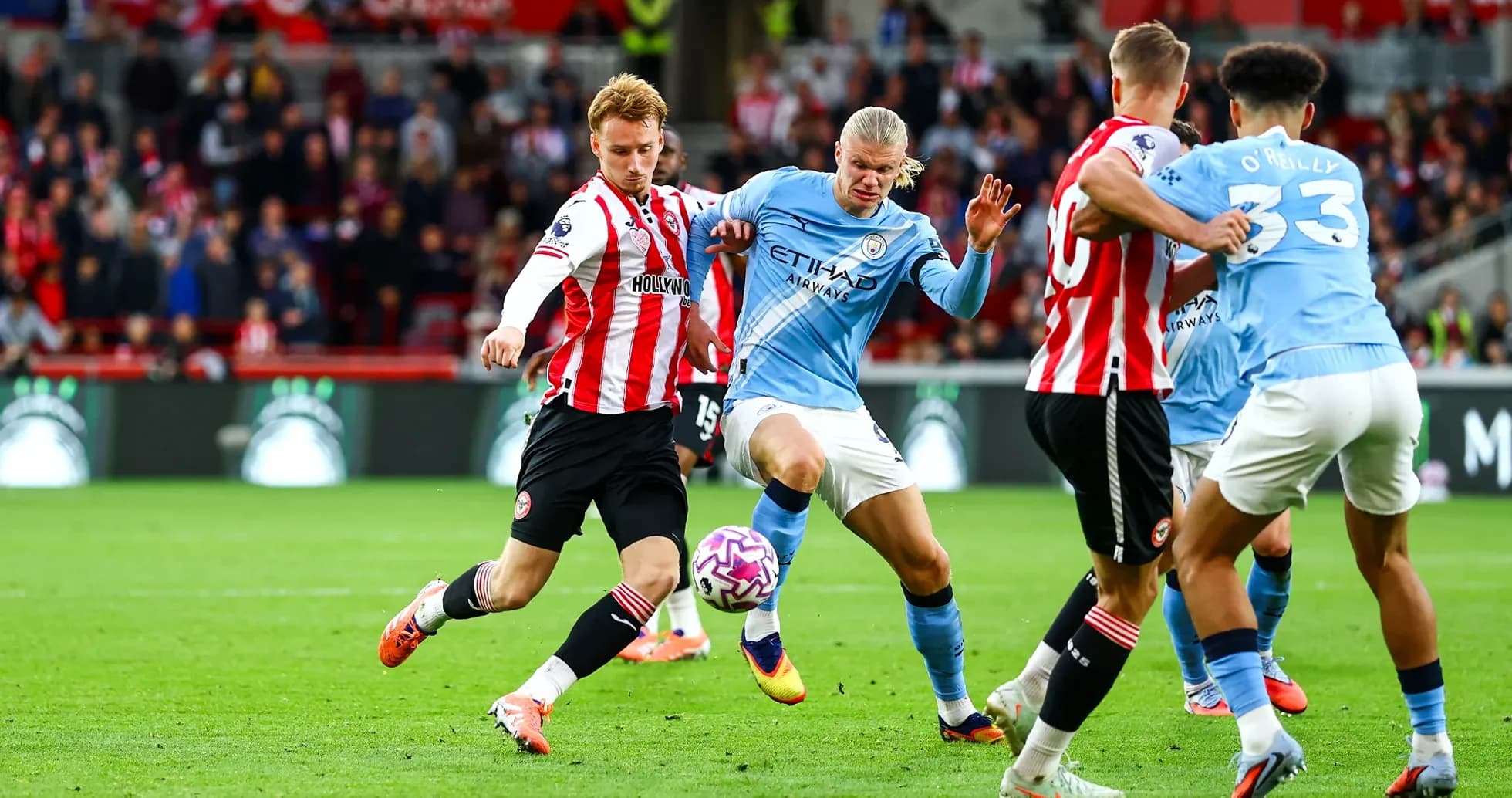
Etihad Stadium hosts a high‑stakes clash in the Premier League regular season on 9 May 2026 as second‑placed Manchester City welcome seventh‑placed Brentford. With City on 71 points and chasing the title or, at minimum, securing Champions League league‑phase qualification, and Brentford sitting on 51 points in the hunt for a Conference League play‑off berth, the margins are thin and the incentives clear.
Context and stakes
In the league, City arrive with a formidable record: 21 wins, 8 draws and just 5 defeats across all phases, with a league‑best goal difference of +37 (69 scored, 32 conceded). At the Etihad they have been close to untouchable – 12 wins from 16, only 1 home defeat, and 38 goals scored at an average of 2.4 per game.
Brentford, by contrast, are punching above their historical weight. Seventh place with 51 points from 35 matches (14 wins, 9 draws, 12 losses) keeps them firmly in the European conversation. Their away record is more volatile – 6 wins, 2 draws and 9 defeats, with 21 goals scored and 27 conceded – but they have shown they can hurt sides on the road, as highlighted by a biggest away win of 2-4 this season.
Both sides are in European‑chasing lanes: City’s description line points to Champions League league‑phase promotion, while Brentford’s table tag references Conference League play‑offs. This fixture could significantly shape both trajectories.
Form and tactical trends
Across all phases, City’s season‑long form string – “WLLWDWWWLWWLWWWWDDDLWDWWWWDDWWWD” – underlines their capacity to build long winning sequences. They have produced a maximum winning streak of six, and they rarely implode: only 5 league defeats in 34. Defensively, they concede just 0.8 goals per home game and have kept 14 clean sheets overall (7 at home), failing to score at the Etihad only once.
Tactically, the data points to Pep Guardiola leaning most often on a 4‑1‑4‑1 (12 times), with variants of 4‑3‑2‑1 and 4‑3‑3 also used frequently. That base structure supports controlled possession, a single pivot protecting the back four, and a five‑man attacking band designed to overload half‑spaces. City’s biggest home win of 5-1 hints at their ability to run up scores when the positional play clicks, while their heaviest home defeat is only 0-2 – a sign that they are rarely blown away even on off‑days.
Brentford’s form string – “LWLDLWLWWLWLWLLDWWDWWLLWWDLWDDDDDLW” – is more streaky. They have put together a best winning run of two and a draw streak of five, reflecting a side that can grind out results but is also prone to dips. Their defensive numbers away (1.6 goals conceded per game) suggest vulnerability when pushed back, but 10 clean sheets overall and 5 away shutouts show that Thomas Frank’s side can execute a compact game plan when required.
The Bees’ most common shape is a 4‑2‑3‑1 (27 uses), with occasional switches to 5‑3‑2 and 4‑3‑3. That base allows them to drop into a low or mid block, protect central zones with a double pivot, and spring quickly into transition via the front four. Their biggest away defeat of 3-1 underlines the risk‑reward balance: they are willing to commit numbers forward, and when the press is broken, they can be exposed.
Key players: Haaland vs Thiago
This fixture is headlined by two of the league’s most prolific forwards.
For Manchester City, Erling Haaland is again the reference point. The Norwegian has 25 league goals and 7 assists in 33 appearances, with a strong underlying profile: 96 shots, 54 on target, and a rating of 7.34. His duel numbers (232 contested, 125 won) and 15 tackles show the extent of his physical presence beyond pure finishing. From the spot, Haaland has converted 3 penalties but missed 1, so while he remains a major threat from 12 yards, his record is not flawless.
For Brentford, Igor Thiago has emerged as a talisman. With 22 goals and 1 assist in 35 appearances, he is carrying a significant share of Brentford’s 52 league goals. He attempts fewer shots than Haaland (63 total, 41 on target) but is heavily involved in the physical battle: 484 duels contested, 189 won, and 34 tackles underline his work rate as a first defender. From the penalty spot, Thiago has scored 8 and missed 1; his tally is impressive but, again, not perfect.
Both forwards operate as central reference points in their respective systems – Haaland as the final piece of City’s intricate positional play, Thiago as the outlet and finisher of Brentford’s more direct, transition‑oriented attacks.
Head‑to‑head: recent competitive history
Looking only at competitive fixtures (no friendlies), the last five meetings between these sides all come from the Premier League and League Cup between 2024 and 2025:
- December 2025, League Cup quarter‑final at the Etihad: Manchester City 2-0 Brentford.
- October 2025, Premier League at Brentford Community Stadium: Brentford 0-1 Manchester City.
- January 2025, Premier League at Gtech Community Stadium: Brentford 2-2 Manchester City.
- September 2024, Premier League at the Etihad: Manchester City 2-1 Brentford.
- February 2024, Premier League at the Etihad: Manchester City 1-0 Brentford.
Across these five competitive matches, City have 4 wins, Brentford have 0, and there has been 1 draw. Notably, three of those fixtures at the Etihad ended in narrow City wins (2-1, 1-0, 2-0), suggesting that while City generally find a way, Brentford have been able to keep scorelines tight in Manchester.
Tactical battle zones
City’s home dominance is built on control. With an average of 2.4 goals scored and just 0.8 conceded per home game, they will look to pin Brentford back early, using their 4‑1‑4‑1 or 4‑3‑3 to stretch the pitch horizontally. The double‑digit clean sheets and only four games all season without scoring underscore a high floor in performance.
Brentford’s path lies in disrupting that rhythm. Their 4‑2‑3‑1 can flatten into a 4‑5‑1 without the ball, congesting central lanes and forcing City wide, where the Bees can compete aerially and hunt second balls. The fact that they have failed to score in 11 league matches this season (6 away) is a warning sign, but their ability to produce high‑scoring away wins (2-4) shows they can be devastating if they manage to drag the game into transition.
Discipline may also matter. Brentford’s yellow‑card distribution spikes late in games (over 25% between minutes 76‑90), hinting at potential late fouls around the box if they are under sustained pressure. City, by contrast, spread their cautions more evenly, with no red cards recorded in the league so far.
The verdict
On paper, Manchester City are strong favourites: superior league position, a dominant home record, and a recent head‑to‑head edge of 4 wins from the last 5 competitive meetings. Their defensive solidity at the Etihad, combined with Haaland’s firepower and a variety of attacking structures, makes them a daunting proposition.
Brentford, however, are far from a soft touch. Seventh place, 52 league goals, and a dangerous centre‑forward in Thiago mean they carry genuine threat, especially if they can turn the match into a more open, transition‑heavy contest. Their away record is inconsistent but contains enough high points to suggest they can trouble City if chances fall their way.
Logically, the data points towards a City win, most likely in a match where they control territory and possession while needing to remain vigilant against Brentford’s direct counters and set‑piece threat. Brentford’s best route to a result lies in defensive organisation, exploiting City’s rare lapses, and hoping Thiago can match Haaland in the decisive moments.