Liverpool Fans Rage Against Recruitment Team Amid Transfer Chaos
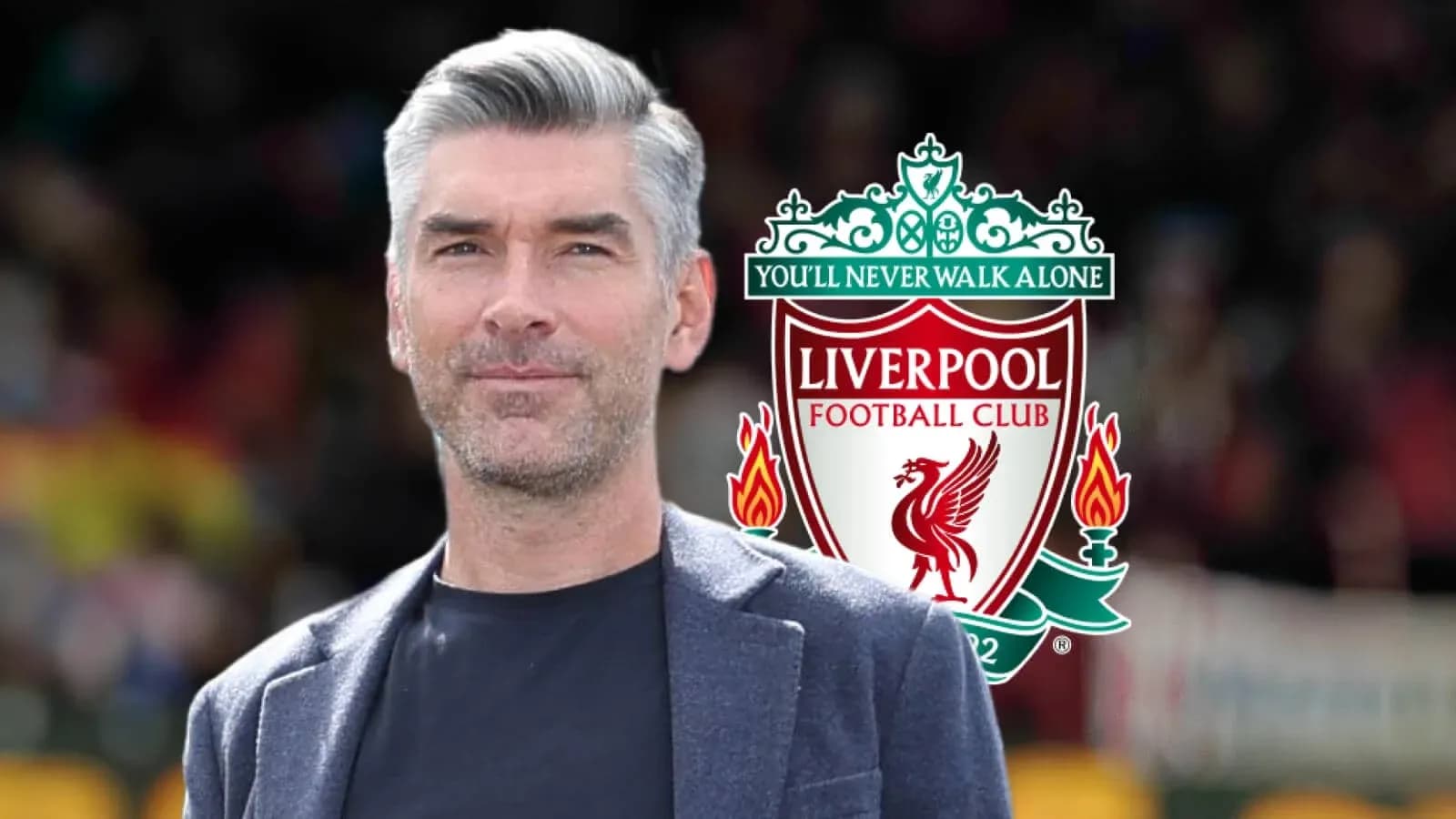
Liverpool’s summer was supposed to be about consolidation at the top. Instead, it has turned into open revolt against the recruitment team, with new sporting director Richard Hughes already cast as the villain of the piece by a fanbase that expected evolution and sees only erosion.
This time last year, Liverpool were champions and acting like it. The club’s much-lauded transfer committee pushed hard, aggressively and early. Florian Wirtz and Jeremie Frimpong arrived as Bundesliga winners. Hugo Ekitike was paraded as a pointed snatch from Newcastle. Then came the marquee punch: Alexander Isak, hailed by many as the best striker in the Premier League at the time.
Liverpool were anointed before a ball was kicked. Title favourites. Super-club energy. The kind of summer that made rival fans wince and Liverpool supporters dream.
Then reality hit. The season didn’t match the swagger of the window.
Now the pendulum has swung violently the other way. Instead of hoarding talent, Liverpool are shedding it. Established players have gone, squad depth has thinned, and even Stefan Bajcetic has been moved on. Behind the first-choice midfield three lies a worrying void.
The concern runs deeper than numbers. Mohamed Salah, a once-in-a-generation forward, has gone, and Liverpool have had half a year to plan for that inevitability. There is still no clear heir. No elite right-sided forward signed. No new focal point for goals and chaos.
Supporters can see the structural gaps from their sofas. They want a holding midfielder to shield an exposed centre-back pairing. They want two wingers to restore the threat and variety out wide. From gamers to ex-players, from pundits to the club captain, the diagnosis is broadly the same. The recruitment response has not been.
Instead, the final days of the window have Liverpool lurching from name to name – Bradley Barcola, Yankuba Minteh, Ismaïla Sarr – like a club scrambling, not strategising. Fans describe the club as “running like headless chickens”. The anger is not just about who hasn’t arrived, but about how un-Liverpool this all feels.
Hughes, the man tasked with shaping the squad, has become the lightning rod. The argument is simple and brutal: in any other high-paying role, such basic failures of planning would cost you your job. The calls for him and his team to go are no longer whispers.
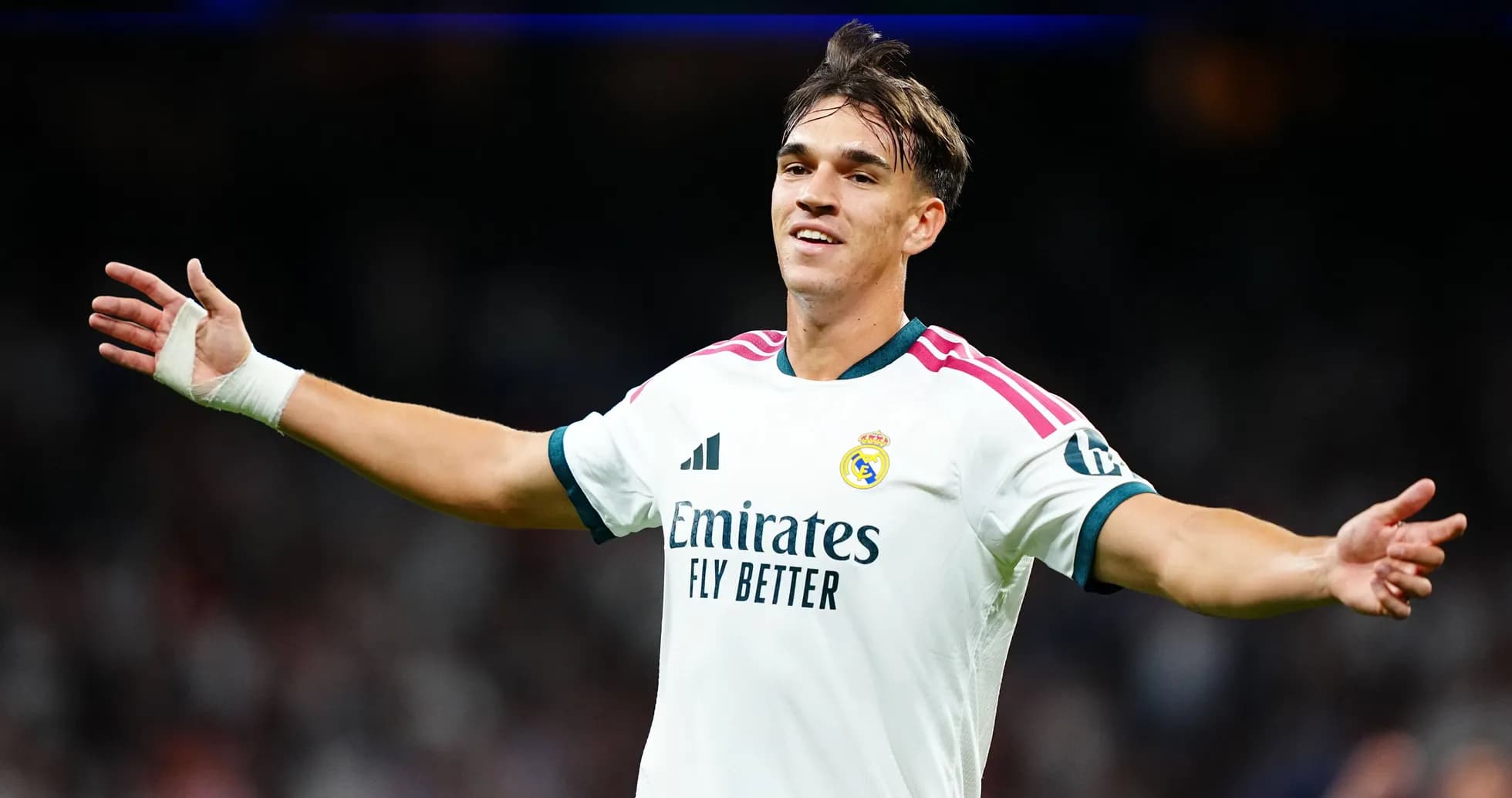
There is, amid the fury, one sliver of optimism. Victor Muñoz has been picked out as the sort of shrewd, low-pressure, high-upside signing that once defined Liverpool’s smart-market identity. A decent fee, clear potential, no immediate burden to transform the side. He is held up as the exception, not the rule.
The broader mood, though, is bleak. Some fans are recalibrating their expectations in real time. They talk openly about watching games without the usual rage, because they blame the committee more than the manager. The new coach, Andoni Iraola, is caught in the crossfire: either he conjures a season so extraordinary it gets him mentioned in the same breath as Pep Guardiola, Sir Alex Ferguson and Jürgen Klopp, or Liverpool drift into a long, Spurs- or late-Wenger-Arsenal-style era of almost and nearly.
The early evidence, such as the bruising encounter with an energetic Newcastle, has only deepened the anxiety. The midfield looked easy to slice through. The full-backs, once weapons, now inspire dread whenever an opponent runs at them. The issues feel like a continuation, not a correction, of last season’s flaws.
While Liverpool stall, their rivals move. Arsenal refine and reinforce. Manchester City do what Manchester City always do: add quality without fuss. Chelsea, Spurs and Aston Villa all look, in different ways, like clubs executing coherent plans. Liverpool, by contrast, are painted by their own fans as standing there “with our proverbials in our hands”.
This is a club that “strolled to the league” the season before last. Now, supporters are openly doubting whether it can even guarantee Champions League qualification without a frantic, spectacular final day in the market – three or four top-level signings, in key positions, arriving almost out of nowhere.
Instead of that surge, they see dithering. They see a months-long flirtation with PSG over Barcola that has become a running joke – “a steamy affair in Paris hotels” rather than a serious negotiation. They see a plan that feels reactive, not ruthless.
The tension goes beyond Anfield. At Aston Villa, fans are staring at their own transfer maths and shaking their heads.
Morgan Rogers has gone to Chelsea for an inflated fee, but Villa supporters know what they have lost: a game-changer with time left on his deal and the added value of the “English premium”. Set-piece coach Austin MacPhee has also headed to Stamford Bridge, taking with him the routines and marginal gains that turned dead balls into weapons. Just ask Youri Tielemans, whose Europa League final goal owed plenty to that work.
The fear now is that Emi Martínez could be next. Villa have signed Zion Suzuki, Chelsea are desperate in goal, and the Argentina World Cup winner has twice been named the world’s best by FIFA. At 33, he still has years at the top. If Chelsea land him, that single move could reshape the top-four picture.
Coming the other way, the deals make far less sense to some Villa fans. Alejandro Garnacho is being compared, unflatteringly, to Jadon Sancho – another high-talent winger who might not fit or flourish. Nicolas Jackson, signed by Chelsea for £32m, is suddenly valued at £65m. The logic, to the sceptics, simply doesn’t add up.
The accusation is stark: Villa are trying to break into the elite while simultaneously arming a direct rival and paying over the odds for their cast-offs. If the aim is to become Champions League regulars, this, they argue, is the wrong way to go about it.
The unease at Villa feeds a different kind of speculation. If the club keep selling key figures, how long before Unai Emery looks elsewhere? Manchester United’s managerial future is already a live topic, and Emery’s name is starting to crop up.
His profile fits the job description: a coach who elevates the collective, a serial winner, a man comfortable in chaos. If Michael Carrick doesn’t work out at Old Trafford, Emery would be an obvious candidate – though that would be another hammer blow for Villa.
United, for their part, are in a curious place. Some fans are furious, but others are oddly content. The midfield has finally been ripped up and rebuilt, which brings both excitement and teething problems. The defeat to Hull underlined how much time this new structure will need. Carrick must work out where players like Tielemans actually belong – not as one half of a double pivot, but as a rotation piece for Bruno Fernandes, keeping both sharp.
There is realism about trophies. United might not win much this season, but a return to the Champions League and a squad that feels more likeable is enough for some. A left-back and a back-up striker before the deadline, and they’ll call that progress.
Beyond the club-specific angst, a darker conversation is bubbling up about the game’s human cost.
Saudi Arabia’s financial pull continues to warp the market. Some supporters are at peace with players chasing generational wealth; others question why multi-millionaires from poor backgrounds need even more, especially when examples like N’Golo Kanté exist – a superstar who drives a modest car and gives much of his money away.
And then there’s the wider machinery of sport itself. The crash involving Raheem Sterling, the NFL’s stark data on brain damage, the brutal odds of making it from schoolboy to professional. For every star who “lived large” and fell, there are countless others who never quite made it, who went all-in on a dream and were spat out by a system that rarely looks back.
Liverpool’s angst over a defensive midfielder or a right winger might feel parochial against that backdrop. Yet it all feeds into the same question that now hangs over this season at Anfield, Villa Park, Old Trafford and beyond.
Who is really in control of these clubs’ futures – and how long will supporters tolerate plans that don’t seem to add up?