Lionel Scaloni's Controlled Intensity: Argentina's Tactical Approach
In the thick Texan heat of Dallas, Lionel Scaloni brushed aside a brewing storm with the same calm his Argentina side shows on the ball.
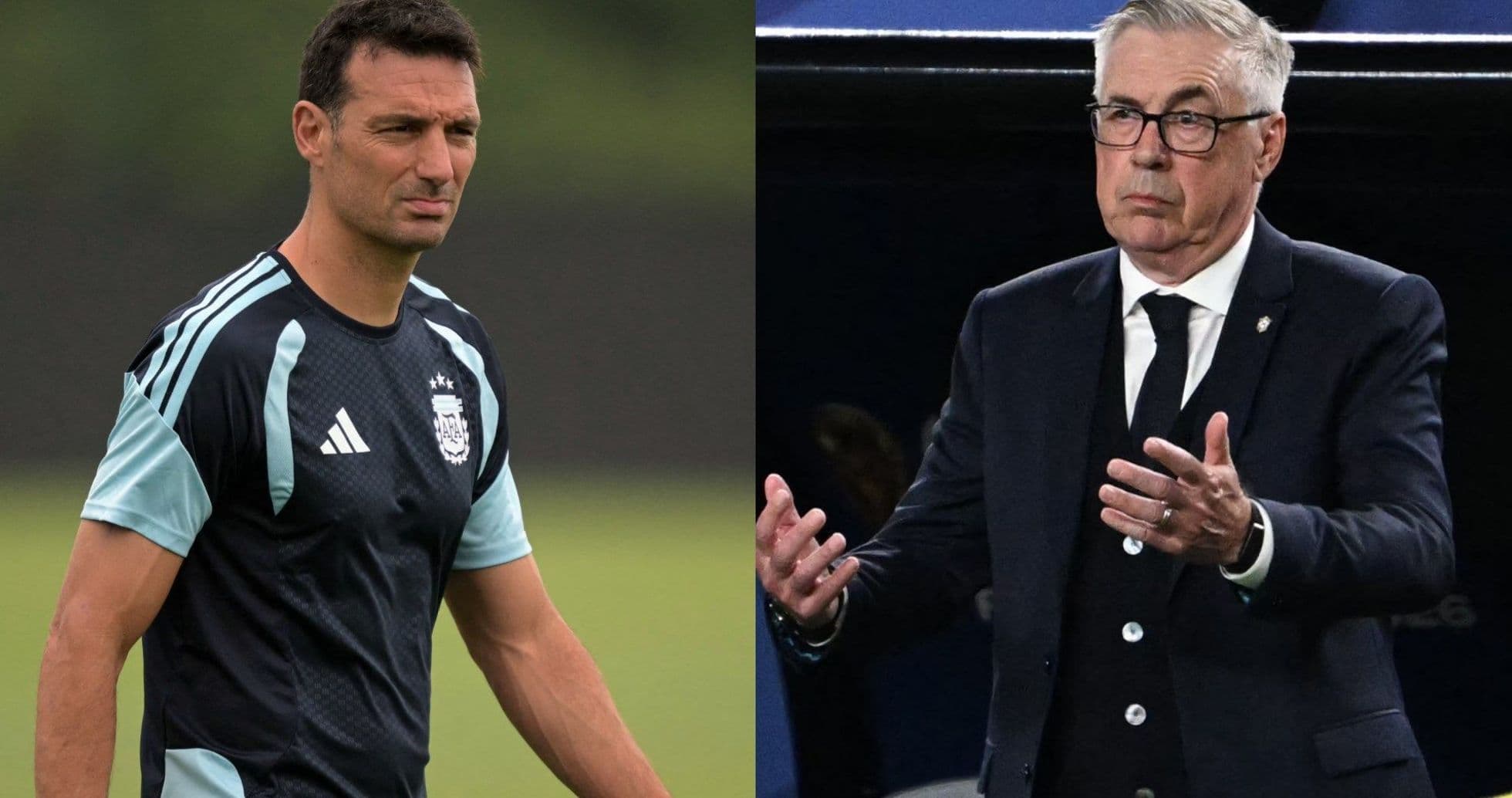
Carlo Ancelotti’s recent remarks about the world champions had sparked a tactical debate rather than a war of words. The Brazilian coach had suggested Argentina are not a side built on relentless pressing and ferocious intensity. In an era obsessed with running metrics and high presses, the comment could easily have been twisted into a criticism.
Scaloni refused to let it go that way.
“I take it in a good way. He spoke highly of us, he didn't speak badly,” the Argentina coach said, explaining that Ancelotti’s blend of Spanish, Italian and Portuguese might have muddied the message for some. “I understood it as a compliment and not a criticism. I'm very sure of that.”
No feud. No fuel for headlines. Just a coach very clear about what his team is – and what it isn’t.
Scaloni’s idea of intensity
Where others chase numbers, Scaloni chases control.
He pushed back against the modern obsession with pressing for pressing’s sake, arguing that defensive structure and clarity in transition often trump raw physical output. In his view, intensity is not simply measured in sprints and duels.
“You have to see what is understood by intensity,” he said. “When you don't have the ball, you have to try to ensure they don't hurt you. There aren't many who press you high and man-to-man.”
That line cuts to the heart of his philosophy. Argentina, he argued, choose their moments. They build strength in the middle of the pitch, where he believes games at this level are truly decided. The battle is less about how many players fly forward and more about how quickly a team reacts when the ball is lost.
“Teams become strong in the middle of the pitch and that's where the game is being defined. Whether you win with three forwards or defend with three or five at the back, the reaction when losing the ball is what matters.”
In other words: intensity is a reaction, not a formation.
A world champion squad, still evolving
Three and a half years on from their World Cup triumph in Qatar, Argentina arrive in Dallas not as a nostalgic act but as a side in transition without losing its edge.
Scaloni pointed to younger faces like Nico Paz and Giuliano Simeone as proof that this is not a group living off old glories. Those additions, he suggested, give him fresh options from the bench, especially when the game demands more direct, vertical attacking play.
The core has stayed hungry. The edges have been sharpened.
“The team is on the right track even though three and a half years have passed,” he said. “They haven't shown signs of taking their foot off the gas and that’s why they are here. There is always room for improvement and they understood the message very well.”
Fatigue is the invisible opponent in every major tournament. Scaloni acknowledged the toll of a long season, the sheer volume of matches his players have endured. Yet he delivered the one line every Argentina supporter wanted to hear: all 26 players are fit and ready.
“It is very difficult for everyone to arrive at 100 per cent because of the number of games played, but all 26 players are available and ready to play.”
For a coach who values flexibility and reaction, that depth matters as much as any starting XI.
Austria next, and no margin for error
Now comes the hard edge of Group J. Argentina and Austria sit level on three points, and Dallas will stage a meeting that already feels like a knockout tie in disguise.
Scaloni’s priority is simple: secure progression, and if possible, lock up top spot with a game to spare. An impressive Austria side stands in the way, the kind of opponent that punishes any lapse in those midfield battles he spoke so much about.
Win, and Argentina can breathe. Slip, and the group tightens around them.
On the other side of the bracket, Brazil have already carved out some space for themselves. Ancelotti’s men eased past Haiti 3–0, a statement scoreline that gives them room to manage their final group game. They now need only a draw against Scotland to book their place in the round of 32.
Two giants, two different paths. One already with “breathing room,” the other walking into a decisive night in Dallas.
Argentina arrive with their coach defending his ideas, his players, and their way of playing. The question now is not whether they press like others want them to. It’s whether that measured, controlled intensity can carry them through another defining test.