Lecce vs AS Roma: Tactical Analysis of Serie A Clash
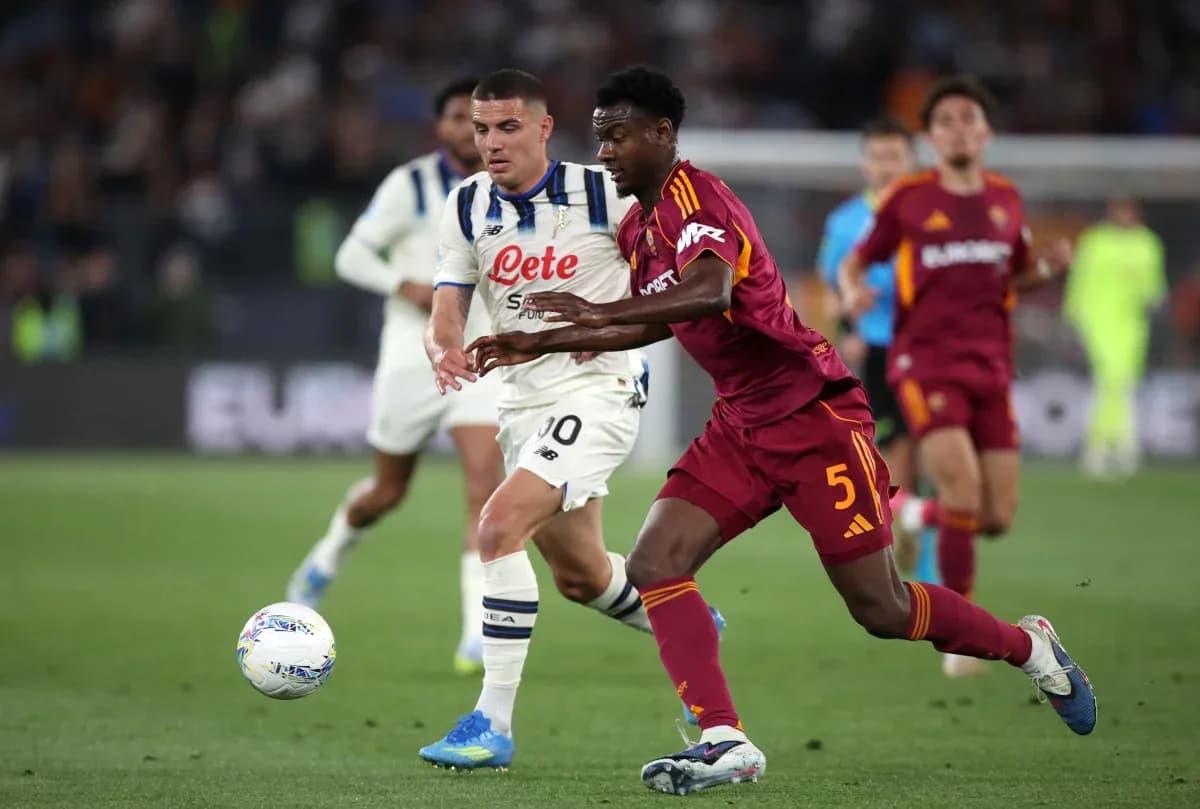
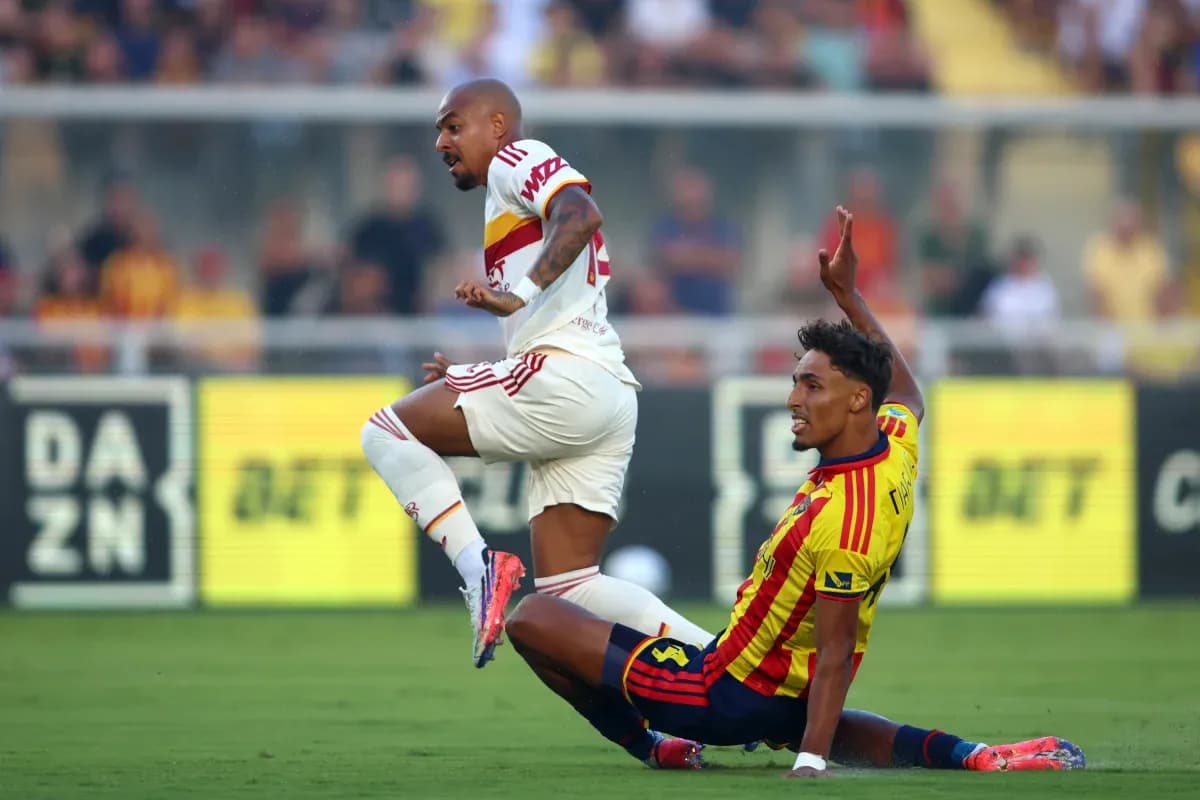
Under the late-summer glare at Stadio Via del Mare, this was billed as a test of Lecce’s courage against the early-season machine that AS Roma have become. The scoreboard told a brutal truth: 4–0 to the visitors, a first home outing of the Serie A campaign that turned into a tactical lesson for Eusebio Di Francesco’s side.
I. The Big Picture – contrasting seasonal DNA
Following this result, the standings snapshot is stark. Lecce sit 13th with 3 points from 2 matches. Overall they have scored 2 goals and conceded 4, giving them a goal difference of -2, and the split between home and away is revealing: at home they have played 1, lost 1, scoring 0 and conceding 4; on their travels they have played 1, won 1, scored 2 and conceded 0. The Lecce that stunned away from home has not yet made the trip back to Via del Mare.
Roma, by contrast, look every inch a side intent on dictating this Serie A season. They top the table in 1st place with 6 points from 2 matches. Overall they have scored 8 and conceded 0, an imposing goal difference of +8. At home they have played 1, won 1, scored 4 and conceded 0; away, this match extended a perfect record: 1 played, 1 won, 4 scored, 0 conceded. The symmetry is as ruthless as it is simple—4-0 at home, 4-0 away.
The formations told their own story. Lecce’s 3-5-2 was an attempt to crowd the middle and protect the box, with Wladimiro Falcone behind a back three of Jannik Siebert, Kiko Gaspar and Tiago Gabriel. The wing corridors belonged to Dario Veiga and Cian Ndaba, while Lameck Coulibaly, Ousmane Ngom and Oscar Gorter tried to stitch together transitions into a front pair of Santiago Pierotti and Willem Geubbels.
Roma arrived in a 3-4-2-1 that blended Gasperini-style verticality with Roma’s individual talent. Mile Svilar anchored a back three of Diego Ghilardi, Gianluca Mancini and Mario Hermoso. The double pivot of Emmanuel Koné and Bryan Cristante was flanked by Wesley Franca and Emanuele Lulli, with Paulo Dybala and Matías Soulé floating behind Donyell Malen, the league’s early top scorer.
II. Tactical Voids – absences and discipline
Roma’s dominance is even more striking given who they were missing. Lorenzo Pellegrini, Mads Bidstrup Bah and Devyne Rensch were all listed as out with thigh, knee and muscle injuries respectively. That stripped Piero Gasperini Gian of a natural on-ball conductor in Pellegrini and a dynamic right-sided defender in Rensch. The response was structural rather than conservative: Koné’s authority in midfield and Wesley’s energy down the flank compensated for the absent leadership and width.
Lecce, by contrast, had a full bench in numerical terms but not yet a settled identity. Their seasonal card profile hints at a team often chasing games: overall, their yellow cards are spread evenly, with 25.00% in each of 0–15, 46–60, 61–75 and 76–90 minutes. That pattern suggests repeated late defensive scrambles rather than controlled game states.
Roma’s disciplinary curve is sharper and more front-loaded. Overall, 33.33% of their yellow cards come in the opening 0–15 minutes, another 33.33% between 31–45, and 33.33% between 46–60. This is an aggressive side that sets the tone early and continues to play on the edge through the hour mark, then manage the game from there. With no reds overall and no penalties taken or missed, their control has been more territorial than chaotic.
III. Key Matchups – Hunter vs Shield, Engine Room battles
The headline duel was always going to be Donyell Malen against Lecce’s improvised back three. Malen’s overall numbers in this Serie A campaign are devastating: 5 goals in 2 appearances, from 9 shots with 6 on target, plus 36 completed passes and 2 key passes. He is not just a finisher; he is a constant reference point for Roma’s vertical attacks.
Opposite him, Tiago Gabriel is Lecce’s unlikely early attacking bright spot from the back, with 1 goal in 2 appearances and a strong duel success rate (4 duels won from 5 overall). But in a 3-5-2 that spent long stretches pinned back, his primary task was survival, not adventure. Falcone and his three centre-backs were repeatedly asked to defend Roma’s rotations: Malen drifting wide, Dybala dropping into half-spaces, Soulé attacking gaps between Siebert and Gaspar.
In midfield, the “Engine Room” battle was decisive. Koné’s overall profile—110 completed passes at 92% accuracy, 4 key passes, 4 tackles and 14 duels with 8 won—shows a player who dictates tempo and wins the ball back. Paired with Cristante’s positional discipline, he suffocated Lecce’s central trio. Coulibaly and Ngom never truly established a pressing trigger; Gorter, nominally a link man, was often forced backwards, unable to connect with Pierotti and Geubbels.
On the creative side, Dybala and Wesley were the architects of Roma’s superiority. Dybala’s season so far reads like a classic No.10’s manifesto: 3 assists, 115 passes at 84% accuracy, 7 key passes and 6 shots. Wesley adds a different flavor—4 key passes, 6 tackles, 21 duels with 12 won and 2 successful dribbles overall. Together they repeatedly found pockets either side of Lecce’s central midfield, dragging the back line out and opening corridors for Malen’s runs.
IV. Statistical Prognosis – Roma’s machine vs Lecce’s fragility
If we strip the narrative down to numbers, the direction of travel is clear. Heading into this game, Lecce’s overall attacking output was modest: 2 goals in total from 2 matches, with an overall average of 1.0 goal per game. At home, that average was 0.0; on their travels it was 2.0. Defensively, the split is even more alarming: overall they conceded 4 goals in total, an average of 2.0 per match, but at home that average spikes to 4.0, while away it is 0.0.
Roma’s statistical profile is the mirror image. Overall they have 8 goals in total from 2 matches, an overall average of 4.0 goals per game. At home and away the pattern is identical: 4.0 scored on average, 0.0 conceded on average. Two clean sheets in two, no failures to score, no penalties conceded or taken—this is a side controlling both boxes comprehensively.
Card timing deepens the tactical reading. Lecce’s tendency to collect 25.00% of their yellows in the final 76–90 minutes overall suggests fatigue and late pressure. Roma, by contrast, concentrate their bookings before the hour mark, then ease off. That intersects brutally with Lecce’s defensive frailty at home: a team that concedes heavily early, then tires and fouls late, is perfectly set up to be punished by Roma’s fast starts and game management.
In terms of xG-style prognosis—without explicit xG numbers, we infer from goals, shots and creativity—Roma project as a high-chance, high-conversion outfit. Malen’s shot volume and accuracy, Dybala’s chance creation and Wesley’s dual-role output all point to a side that will consistently generate quality opportunities. Lecce, with an overall average of 1.0 goal scored and 2.0 conceded, and a home average of 0.0 scored and 4.0 conceded, project as underdogs in almost any similar matchup.
The tactical preview for future meetings between these sides, and for Lecce’s season more broadly, is therefore clear. Lecce must resolve their structural issues at home—either by stiffening the back line in that 3-5-2 or reverting to the 4-3-3 that has also featured—while finding a way to bring Tiago Gabriel’s composure and Pierotti’s movement higher up the pitch. Roma, meanwhile, can afford to keep trusting the template: a 3-4-2-1 with Koné and Cristante policing the middle, Wesley and Lulli stretching the flanks, and Dybala feeding Malen, the league’s most ruthless hunter in front of goal.
Until someone disrupts that pattern, every trip Roma make—home or away—will feel less like a contest and more like the next chapter in a well-drilled campaign.