LAFC II Defeats Vancouver Whitecaps II 2–1 in MLS Next Pro Showdown
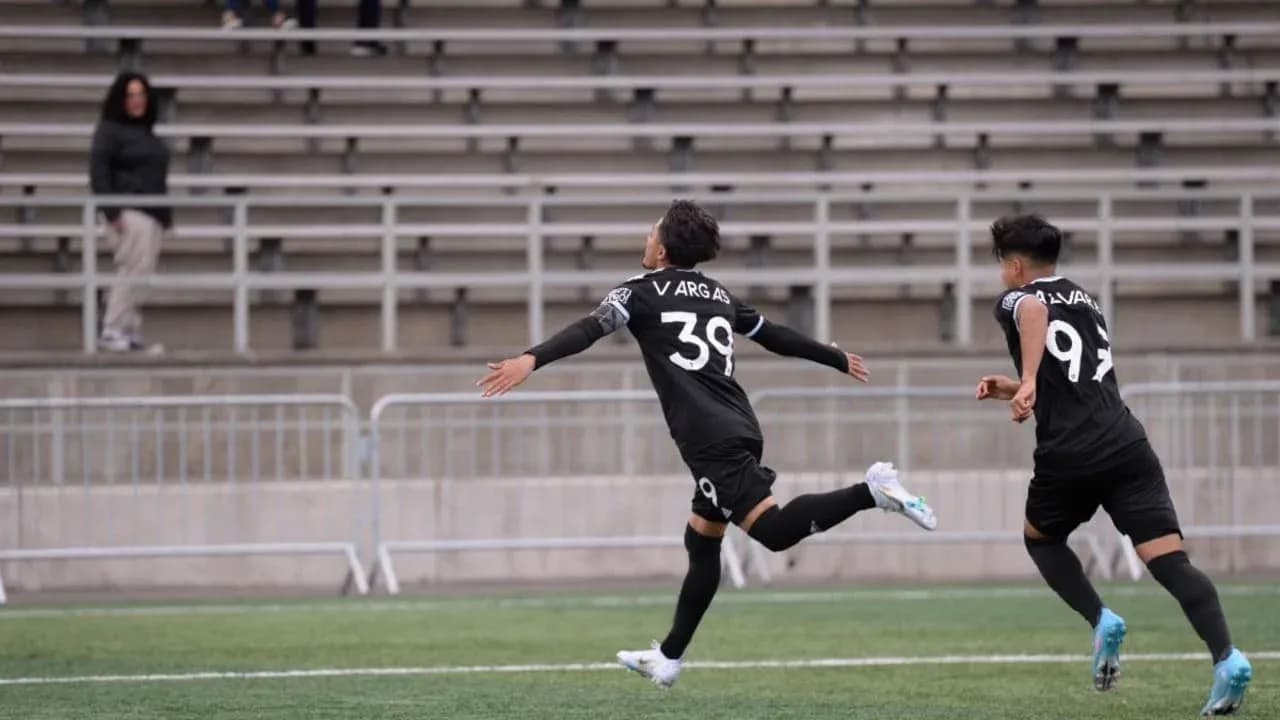
Under the lights at Titan Stadium, this MLS Next Pro Group Stage meeting between Los Angeles FC II and Vancouver Whitecaps II ended 2–1 to the hosts, a result that felt as much like a statement of identity as it did three points. Following this result, LAFC II’s season picture sharpens: a volatile but fearless side that leans into chaos, while Vancouver’s split personality between home strength and away fragility becomes even more stark.
I. The Big Picture – contrasting DNAs
Heading into this game, LAFC II sat on 13 points from 9 matches, ranked 4th in the Pacific Division and 8th in the Eastern Conference table snapshot, with an overall record of 4 wins and 5 losses. Their goal difference overall was -5, calculated from 16 goals for and 21 against. At home, they had been efficient but narrow: 4 goals for and 3 against across 3 matches, an average of 1.3 goals scored and 1.0 conceded at Titan Stadium.
Vancouver Whitecaps II arrived as perhaps the league’s most extreme home/away split. Overall, they had 9 points from 9 games, ranked 6th in the Pacific Division and 11th in the Eastern Conference snapshot, with 3 wins and 6 defeats. Their overall goal difference was -4, from 15 goals scored and 19 conceded. But the real story was venue-based: at home, they had won 3 of 4, scoring 8 and conceding 6; on their travels, they had lost all 5, scoring 7 but conceding 13, with an away average of 1.4 goals for and 2.6 against.
The first half in Carson mirrored those numbers: LAFC II’s front foot approach produced a 2–1 lead by the interval, and they then rode their defensive volatility to the finish line. The 2–1 full-time score exactly matched their biggest home win profile this season, and Vancouver’s away pattern—always vulnerable, occasionally dangerous—played out once more.
II. Tactical Voids and Discipline – living on the edge
There were no listed absentees in the data, so both coaches had access to their full squads. That meant Rich Fagan could field a strong Vancouver XI including Trevor Wright, the defender who appears across the league’s top lists for scoring, assists, and cards (even if his statistical line is still clean). For LAFC II, the absence of a named coach in the data does not hide the clear tactical theme: this is a side that accepts defensive risk to chase attacking moments.
Season-long discipline underscores that edge. LAFC II have yet to keep a clean sheet, home or away, and overall they concede an average of 2.3 goals per match. Their yellow-card distribution is front-loaded: 28.57% of their bookings arrive between 0–15 minutes, another 21.43% between 31–45, then a spread across the rest of the match. The most dramatic figure is a red-card spike—100.00% of their reds overall have come in the 46–60 minute band. That mid-game volatility is baked into their identity: they start aggressively, and the restart after half-time can tilt into recklessness.
Vancouver, by contrast, spread their cautions more evenly, but with a late-game surge: 22.22% of their yellows arrive between 76–90 minutes and another 22.22% between 91–105. Away from home, that tendency to pick up cards late combines badly with their defensive record; chasing games on the road drags them into increasingly desperate defensive actions.
III. Key Matchups – Hunter vs Shield, Engine Room battles
The “Hunter vs Shield” framing here is less about a single star and more about unit-versus-unit dynamics.
For Vancouver, the attacking “hunter” is a collective that averages 1.7 goals per game overall, with 7 goals in 5 away fixtures. Players like Trevor Wright, although listed as a defender, carry league visibility and suggest a back line comfortable on the ball and willing to step into higher zones. Alongside him, starters such as T. Wright, P. Amponsah, and M. Garnette formed a defensive core that is supposed to launch transitions rather than simply absorb pressure.
Their shield, however, is porous on the road: 13 goals conceded away, and an away-low of 4–2 and similar scorelines in their biggest defeats. The back line is often left exposed as Vancouver push numbers forward, and that structural risk showed again as they allowed LAFC II to score twice before the break.
On the LAFC II side, the “hunter” is a fluid attacking group built around the likes of T. Mihalic, M. Evans, J. Machuca, and C. Kosakoff. Overall, they average 1.8 goals per match, with a particularly sharp edge on their travels (2.0 away) but just enough incision at home (1.3). Against a Vancouver side that habitually concedes 2.6 goals per away game, this front line did exactly what the data suggested it should: punch early and force the visitors to chase.
The “Engine Room” matchup centered on LAFC II’s midfield trio—S. Nava, D. Guerra, and S. Kaplan—against Vancouver’s central operators Y. Tsuji, C. Bruletti, and D. Ittycheria. LAFC II’s midfield is tasked with managing transitions for a team that concedes 3.0 goals per game away and 1.0 at home; their role is to compress space quickly after losing the ball. Vancouver’s engine, on the other hand, must balance creativity with protection for a back line that has never kept a clean sheet this season and has allowed 19 overall.
In this match, LAFC II’s midfield won the first-half battle, enabling those two goals and controlling enough of the tempo to protect the lead after the break. Vancouver’s engine improved as the game wore on, but their late push came up one goal short.
IV. Statistical Prognosis – what this result projects
Following this result, the statistical prognosis for both sides hardens rather than changes.
LAFC II remain a high-event team: 16 goals for and 21 against overall means their matches average 4.1 goals. They have yet to record a clean sheet, and they have failed to score only once overall. Their penalty record is straightforward—no penalties taken, none missed—so their attacking output is built from open play and standard set pieces. Any Expected Goals model would continue to project their fixtures as open, end-to-end affairs, with their home defensive average of 1.0 conceded hinting that Titan Stadium might become a more controlled environment as the season progresses.
Vancouver Whitecaps II, meanwhile, stay trapped in their split identity. At home, they score 2.0 and concede 1.5 on average; away, they score 1.4 and concede 2.6. Their overall goal difference of -4, from 15 scored and 19 conceded, is dragged down almost entirely by their road form. The fact they have scored in 4 of 5 away games but still lost all of them suggests their xG in attack is competitive, but their defensive xG allowed is likely among the highest in the conference.
The late yellow-card surges (22.22% between 76–90 and another 22.22% between 91–105) point to a team that tires, stretches, and then fouls under pressure. Until that structural issue is addressed—either by deeper defensive blocks, more conservative fullback play, or better game management—Vancouver will remain vulnerable to exactly the kind of early punch and controlled second half that LAFC II delivered here.
In narrative terms, this 2–1 at Titan Stadium did not rewrite either team’s story; it underlined it in bolder ink. LAFC II are embracing their role as the league’s volatility merchants, while Vancouver Whitecaps II must find a way to travel without leaving their defensive solidity at home.