La Liga Returns: World Cup Glory and New Challenges
La Liga returns from Spain’s World Cup high — but under a cloud
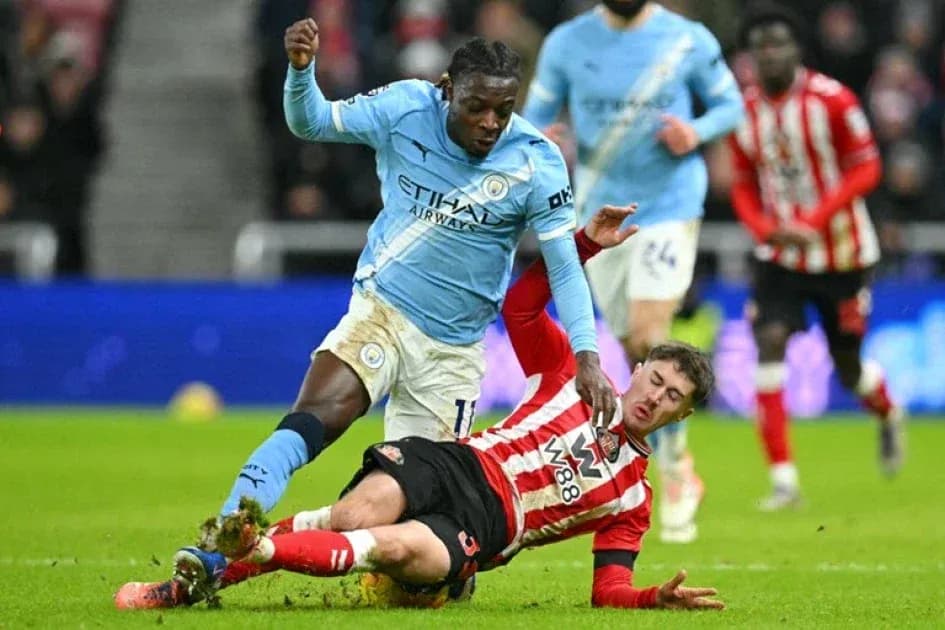
MADRID (AP) — Less than a month after Spain lifted the World Cup, La Liga is back. On paper, Europe’s first major league to restart. In reality, a curtain-raiser with the volume turned down.
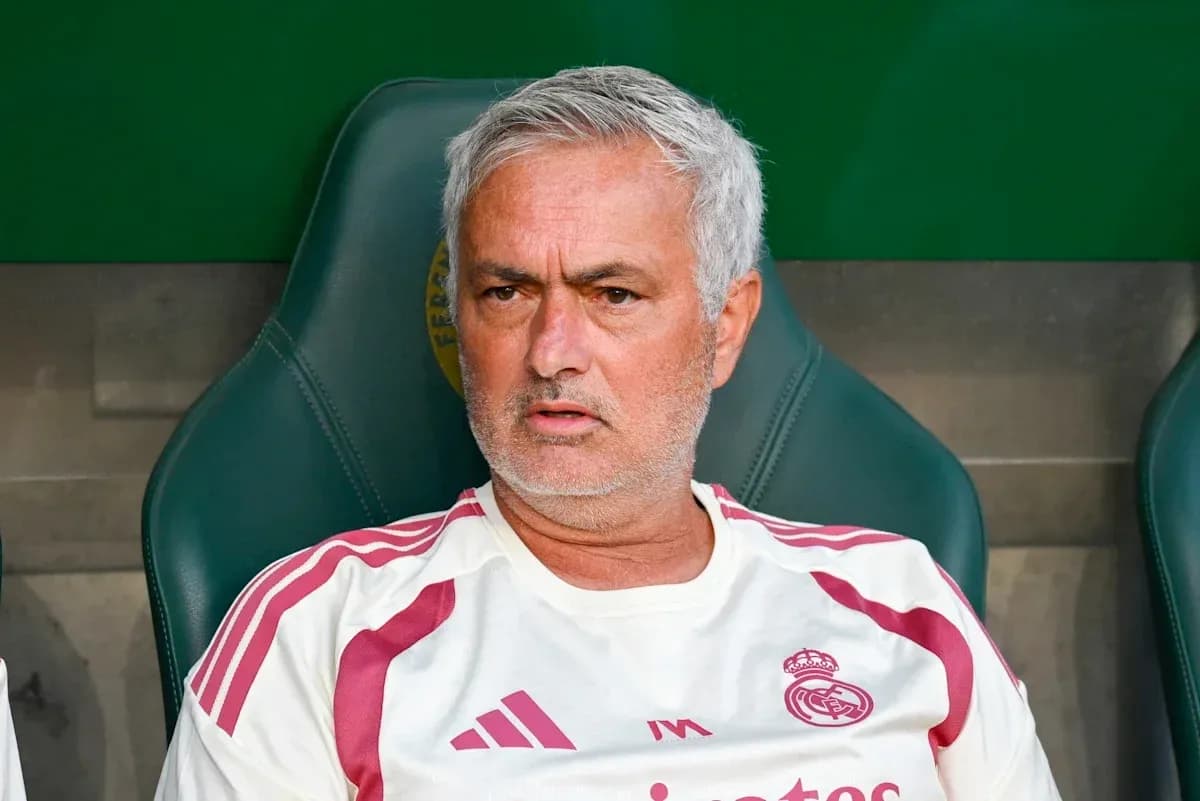
The schedule is already frayed. One match is off, and the two giants that usually dominate the spotlight, Barcelona and José Mourinho’s Real Madrid, are not even on this weekend’s bill. Both clubs were granted extra rest after sending a heavy contingent to Spain’s triumphant World Cup squad.
And then there’s the pitch problem.
Fungus, delays and a muted opening
Celta Vigo’s home opener against Osasuna, slated for Sunday, has been pushed back to Aug. 27 after a fungus outbreak damaged the Balaídos turf. The first weekend was supposed to showcase a full slate; instead, it starts with a reminder of how fragile early-season plans can be.
Barcelona, chasing a third straight league title, won’t kick a ball in La Liga until Aug. 23, when it visits Elche. Real Madrid, rebuilt and rebranded under Mourinho after a second consecutive year without a major trophy, begins away to Espanyol on Aug. 22.
The league’s official opening act arrives on Saturday: Alaves at home to Getafe. Later that day, Sevilla hosts Rayo Vallecano. It’s functional rather than glamorous, but the points count the same.
Sunday brings a story with more romance. Racing Santander, back in the top flight after 14 long years in the wilderness, hosts last season’s third-place finisher Villarreal. Espanyol, meanwhile, welcomes Levante.
The European season has technically already started. Paris Saint-Germain beat Aston Villa 2-1 on Wednesday in the UEFA Super Cup, lighting the first competitive fuse of the campaign. Now it’s La Liga’s turn to catch fire.
Barcelona’s title defense: world champions at the core
Barcelona’s push for a three-peat is built on familiar faces, many of them freshly crowned world champions. Lamine Yamal, Dani Olmo, Gavi, Pedri and Pau Cubarsí return from Spain’s World Cup triumph to form the spine of Hansi Flick’s side.
One hero from that run may not be around for long. Ferran Torres, who scored Spain’s extra-time winner in the World Cup final against Argentina, is unlikely to stay. He is reportedly in talks over a move to PSG, and his departure would strip Barcelona of a proven big-game finisher.
The club has moved to reshape its attack. England forward Anthony Gordon has arrived, tasked with helping to compensate for the loss of veteran striker Robert Lewandowski. Barcelona are not tearing it all up, but the front line will look and feel different.
Elche away on Aug. 23 will be the first test of how quickly that new blend can click.
Mourinho’s second coming at Real Madrid
Across the capital, Real Madrid have gone for shock therapy. After another season without a major title, the club has turned back to Mourinho, the coach brought in to jolt a revamped squad back into contention.
The core remains powerful. Kylian Mbappé, Vinícius Júnior and Jude Bellingham are still in place, a trio that can tilt any match on its own. Around them, Madrid have stacked fresh talent.
World Cup winner Marc Cucurella joins the back line. Ibrahima Konaté adds muscle in central defense. Denzel Dumfries brings thrust from the flank. Bernardo Silva offers craft and control in midfield, while Yan Diomande arrives as another piece in a deepening puzzle.
Some big names have gone the other way. Dani Carvajal and David Alaba head the list of veterans who have left, underlining the sense of a new cycle beginning.
Espanyol away on Aug. 22 will not define Mourinho’s second spell, but it will show how quickly this new Madrid can find its shape — and whether the scars of recent seasons have truly healed.
Atletico Madrid caught in the middle
Atletico Madrid enter the season with the usual intensity and an unusually large set of questions.
Diego Simeone saw three of his players — Marcos Llorente, Marc Pubill and Álex Baena — help Spain to World Cup glory. Julián Álvarez went all the way to the final with Argentina and used the tournament spotlight to make his stance clear: he wants to leave.
Interest in Álvarez has come from both Real Madrid and Barcelona, the two clubs that usually circle when a star shows any sign of restlessness. Atletico insist they do not intend to sell. The forward is back in training, but uncertainty still hangs over his future.
Simeone has already lost Antoine Griezmann, Thiago Almada, Nahuel Molina and Clément Lenglet. That is a lot of experience and quality out the door.
Reinforcements have arrived. Alejandro Grimaldo, Morten Hjulmand and Lee Kang-In are in, with Cristian “Cuti” Romero also set to join. It is a reshaped squad, but whether it is a stronger one remains to be seen.
Atletico host promoted Malaga on Wednesday. On the pitch, it is a chance to assert their top-four credentials again. Off it, the Álvarez saga refuses to go away.
A new ball and a new era of data
La Liga is not just changing on the touchlines and in the dugouts. It is changing inside the ball itself.
The league will be the first in the world to roll out “connected ball” technology on a large scale. Each match ball contains a radio-frequency sensor that sends real-time data on its exact position and every contact.
Around 12 antennas in each stadium capture that information and feed it into La Liga’s wider technological system. The aim is clear: more precision, more data, and, eventually, more informed decisions on the field and in the VAR room.
For players and coaches, it is another layer of scrutiny. For fans, it could reshape how they understand the game’s smallest details.
New faces, old names, and the fight to stay up
Three clubs arrive from the second division with very different stories but the same objective: survival.
Racing Santander are back after 14 years away, carrying the weight of history and a fan base desperate to make this stay last longer than the last. Malaga, another promoted side, step straight into the spotlight with that daunting trip to Atletico.
Then there is Deportivo La Coruña, a former champion dragged through eight seasons in the lower tiers. Their return adds a nostalgic edge to the campaign, a reminder of an era when the title race had more than two or three names.
Leaving the stage are Mallorca, Girona and Oviedo, all relegated last season. Their absence opens space, and the newcomers will know how quickly that space can close.
La Liga restarts this weekend with a strange mix: world champions back at club level, a legendary coach returning, a ball wired to the future — and the two biggest teams watching from the sidelines. The question now is simple: who takes advantage before Barcelona and Real Madrid even kick off?