Khvicha Kvaratskhelia: PSG's Key Player Ready for Super Cup
The World Cup was billed as the tournament where every superstar had their moment. Many of them did. The biggest names lit up the summer, medals were lifted, legacies polished.
Yet as the club game resumes and the UEFA Super Cup lands in Salzburg, the stage tilts towards someone who watched that global show from afar. Khvicha Kvaratskhelia steps back into the light, ready to remind Europe that one of its finest never set foot in the World Cup.
PSG’s unlikely cornerstone
At 25, Kvaratskhelia returns as the reigning Champions League player of the season, the driving force behind Paris Saint-Germain’s successful title defence in May. He comes into August chasing a threepeat, chasing confirmation of a suspicion many already hold: the best player in Europe might have been watching the World Cup on television.
Others in this PSG era have the medals and the headlines. Marquinhos has hoisted the Champions League trophy twice in Paris colours. Desire Doue and Vitinha walked away with man-of-the-match awards in Munich and Budapest. Ousmane Dembele took the Ballon d'Or after spearheading that first historic European triumph.
But the spark that turned a talented side into a relentless one arrived from Naples.
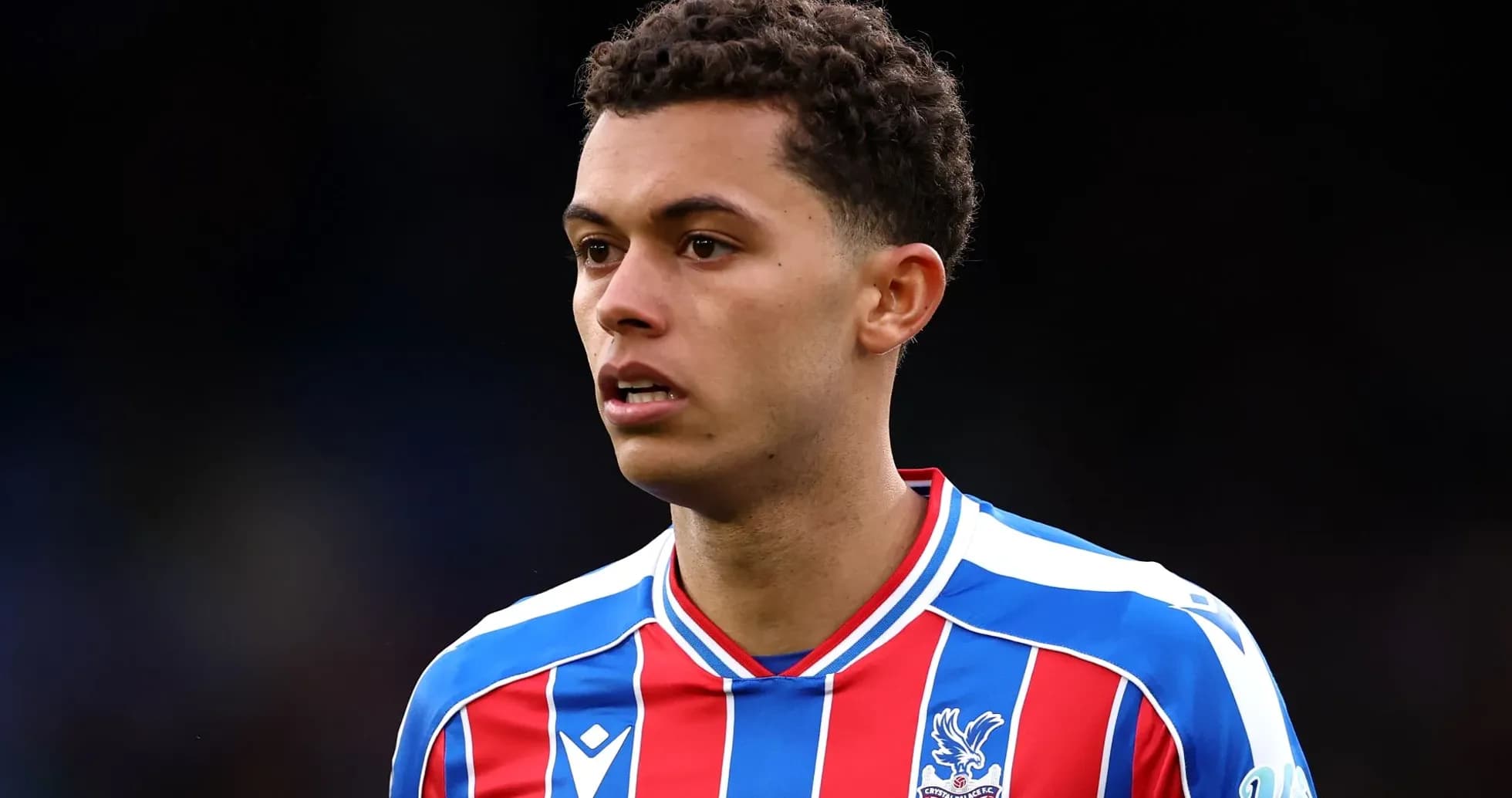
Signed from Napoli in January last year, Kvaratskhelia changed PSG almost overnight. Before he walked through the door, they had flattered to deceive in Europe. The quality was there, the results often were too, but something in the structure, in the edge of their game, felt incomplete.
That vanished with him on the pitch.
He turned PSG into a pressing machine. His work without the ball, his hunger to chase, harry and then explode into space, meshed perfectly with Luis Enrique’s demands. More than that, it dragged standards up around him. Forwards started running more, pressing harder, snapping into challenges. One winger’s intensity reset the temperature of an entire front line.
Villa know the damage he can do
Aston Villa, PSG’s opponents in this season’s Super Cup, do not need a scouting report to understand the threat. They have lived it.
In the first leg of their 2025 Champions League quarter-final, it was Kvaratskhelia’s footwork that shredded their defensive structure and twisted the blood of Axel Disasi. That tie turned into PSG’s sternest test of the knockout run, and whenever the pressure rose, the Georgian seemed to find another gear.
Last season he pushed even deeper into the decisive stages of the competition. From the play-off round onwards, no player scored more goals. Nobody in the Champions League produced more assists from open play. He was not just decorating games with tricks and feints; he was deciding them.
The body of work is starting to look imposing.
Before Paris, he had already ripped up history in Italy. At Napoli, he became the symbol of a title win that many believed could only be delivered by Diego Maradona. The nickname ‘Kvaradona’ is overblown in one sense, inevitable in another. He ended a long wait and a long myth in one season.
A one-off in a world of production lines
Part of the fascination is that Kvaratskhelia does not fit the modern template. He is an outlier. In a sport increasingly built on systems, academies and data, he feels like a throwback – and yet utterly modern in his output.
Many of his PSG team-mates are products of the French development machine, a conveyor belt that starts in polished academies and runs through elite youth structures. England has followed a similar path, reshaping academies, feeding talent into the Premier League, exposing teenagers early to the highest level.
Kvaratskhelia came another way.
Leonid Slutsky, who coached him at Rubin Kazan, captured it neatly in 2023. “Nobody knew about him before he came to Italy and that is understandable,” he said at the time, before delivering the line that has followed Kvaratskhelia ever since: “I congratulate Napoli because they won the lottery.”
Slutsky talked about his “abnormal thinking” on the pitch, his instinct to choose the unexpected option. Xisco Munoz, who played and coached at Dinamo Tbilisi, linked that mindset to where he grew up and learned the game.
“In Spain, we stop and pass, maybe learning on a training ground or at school,” Xisco told Sky Sports. “In Georgia, it is street talent. In Georgia, they play their football on the street. They have to fight and have the contact. It is difficult to teach this in school.”
That street edge is only half the story. David Webb, who worked with him in the Georgian national set-up, remembers a player obsessed with repetition, not showmanship. Kvaratskhelia, he says, was a nightmare to get off the training ground, relentlessly process-driven, hard-wired to refine rather than perform for the cameras.
The result is a winger who looks like he plays on instinct, but whose instincts have been honed by years of extra work.
The World Cup absence and the Ballon d'Or question
All of that made this summer’s absence from the World Cup feel like both a curse and a relief. Georgia did not qualify. For Kvaratskhelia, it ended a relentless run in which he had dragged his country to Euro 2024 and then gone straight into a Club World Cup campaign with PSG. His body, finally, got to breathe.
The pause might cost him in the Ballon d'Or race.
History offers one faint precedent. Kevin Keegan claimed the award in a World Cup year despite England failing to reach the tournament, but that was a different era. Only European players were eligible then and Argentina had just lifted the trophy.
This time, the field is crowded. World Cup-winning Spaniards will have strong cases. Kylian Mbappe and Harry Kane bring staggering scoring numbers for club and country. Every major performance, every final, every trophy now weighs into that argument.
Which is why Salzburg matters.
The Super Cup is not the biggest prize Kvaratskhelia can win this season, but it is a stage. A single night, against strong Premier League opposition, with Europe watching again. A chance to reassert himself as the man at the heart of the continent’s best team.
Because that is what PSG are right now. The champions of Europe, twice over, built on a mix of academy polish, superstar sheen and one winger from Tbilisi who refuses to play by the script.
Khvicha Kvaratskhelia, the outstanding player of last season’s Champions League and Paris Saint-Germain’s warrior on the wing, has rested, reset and reloaded.
Now he goes again.