Kendry Páez: From Record Breaker to Chelsea Academy Player
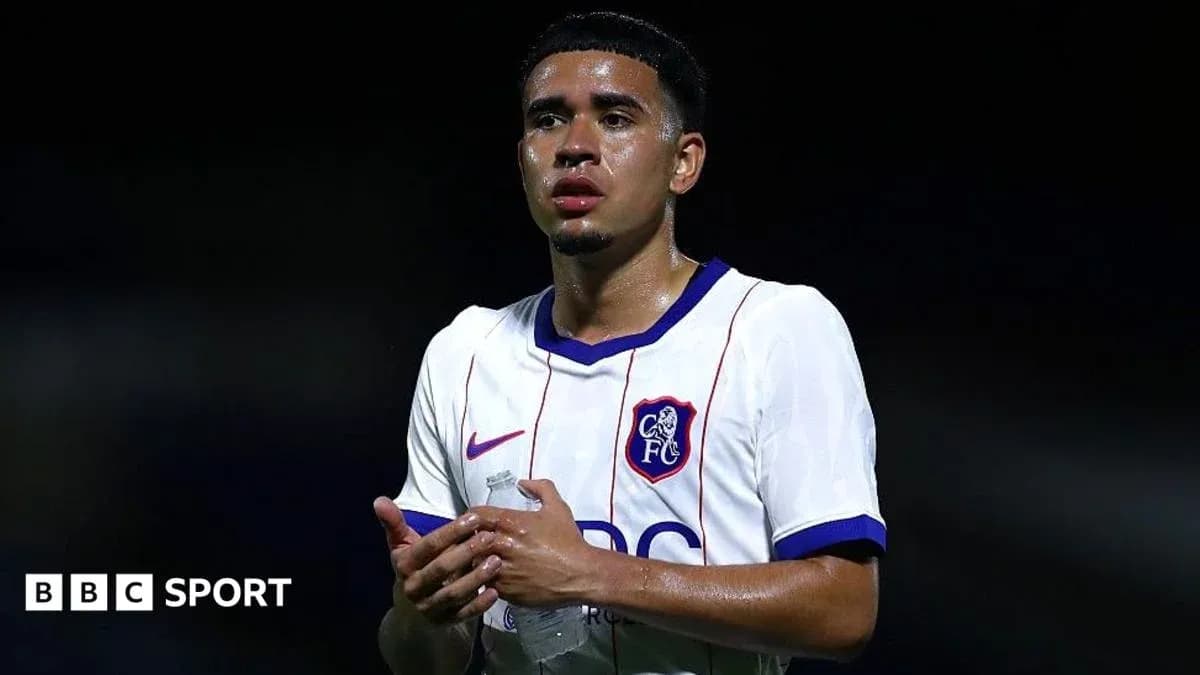
Kendry Páez finally pulled on a Chelsea shirt this week. Not under the lights at Stamford Bridge. Not in the Premier League. For Cobham Next Gen, away at Arsenal, in front of a scattering of academy regulars.
Three years after Chelsea agreed a £17.27m deal with Independiente del Valle for a 16-year-old prodigy, the Ecuadorian attacking midfielder has landed back where few imagined he would be at 19: listed as an academy player, fighting to restart a career that once looked like it might explode.
From record breaker to reality check
Páez’s story was supposed to be different.
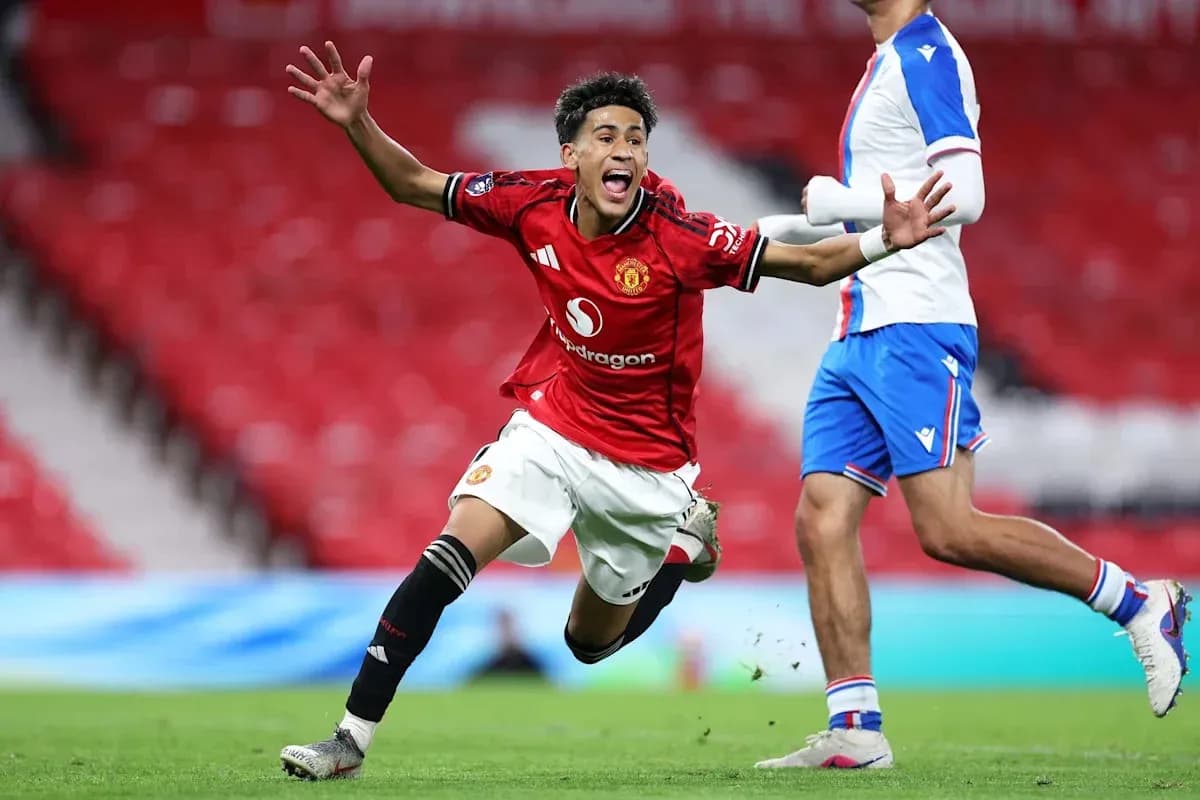
At 15, he became the youngest debutant and goalscorer in Ecuador’s top flight. He stepped into the Copa Libertadores in the same season, a teenager dropped straight into South America’s most unforgiving club competition.
By 16 years and 131 days, he was making his second appearance for Ecuador, becoming the second-youngest South American to feature in World Cup qualifying after Diego Maradona. A month later, he was rewriting history again, this time as the youngest South American ever to score in a World Cup qualifier, in a 2-1 win away to Bolivia.
Chelsea saw all that and moved quickly. When they agreed the deal in 2023, Páez already had 18 caps and two goals for his country. The club believed they were buying the next great South American creator, a player bracketed with Estevao Willian as one of the brightest young attackers on the continent.
They brought him into the Cobham bubble early, allowing him to train regularly with the first team before he was even eligible to join officially after his 18th birthday. They also stepped in off the pitch, providing security for Páez, his family and the family of Moises Caicedo when violence flared in Ecuador in early 2024.
The path looked laid out. Then it bent sharply.
Loans, criticism and a stalled rise
The first major bump came away from England. On international duty, Páez was filmed in a New York strip club, an episode that fed into a growing narrative around his decision-making off the pitch.
On it, the early signs at Strasbourg were encouraging. Sent there on loan to gain minutes at Chelsea’s sister club, he picked up Ligue 1’s Young Player of the Month award in September and appeared to be settling into French football.
The tone changed quickly.
“We expect more, clearly,” then-manager Liam Rosenior said later that season. “I’m tired of using the excuse of the player’s youth.”
The numbers told their own story. One goal in 21 appearances, flashes of talent but not enough consistency, and the loan was cut short despite the ownership link between Strasbourg and Chelsea.
Argentina was meant to be the reset. River Plate, the Monumental, the pressure of a giant. Instead, the same concerns followed him across the Atlantic.
Sources in Argentina highlighted his attitude when speaking to BBC Sport, pointing to a flat performance in the 1-0 Superclasico defeat to Boca Juniors at the Monumental in April as emblematic of a wider problem. Shortly after that loss, River president Stefano Di Carlo named Páez among 15 players training away from the first team. Others inside the club felt he could have been given more chances, but the direction of travel was clear.
The loan ended by mutual consent. One goal, 14 appearances, 461 minutes. Another big stage, another short stay.
Ecuador’s hope, Chelsea’s dilemma
Back home, the anxiety has grown. With 27 caps already and an appearance at this summer’s World Cup, Páez has been built up as Ecuador’s next great attacking talent. That pedestal now feels unsteady.
Michel Deller, the Independiente owner who watched him grow, spoke with a mix of affection and warning to Hincha Amarillo.
“He’s like a son to us. We care about him deeply,” Deller said. “He’s a good kid who’s had a tough time and has made decisions that have complicated his life.
“We are always hopeful he’ll show his exceptional talent one again but right now, it’s up to him to decide what to do with his life.”
Inside Chelsea and within Páez’s own camp, those concerns are not dismissed. But they are seen as inflated, the picture painted as harsher than reality. The message from those close to him is simple: he needs time — to grow as a player, and as a person.
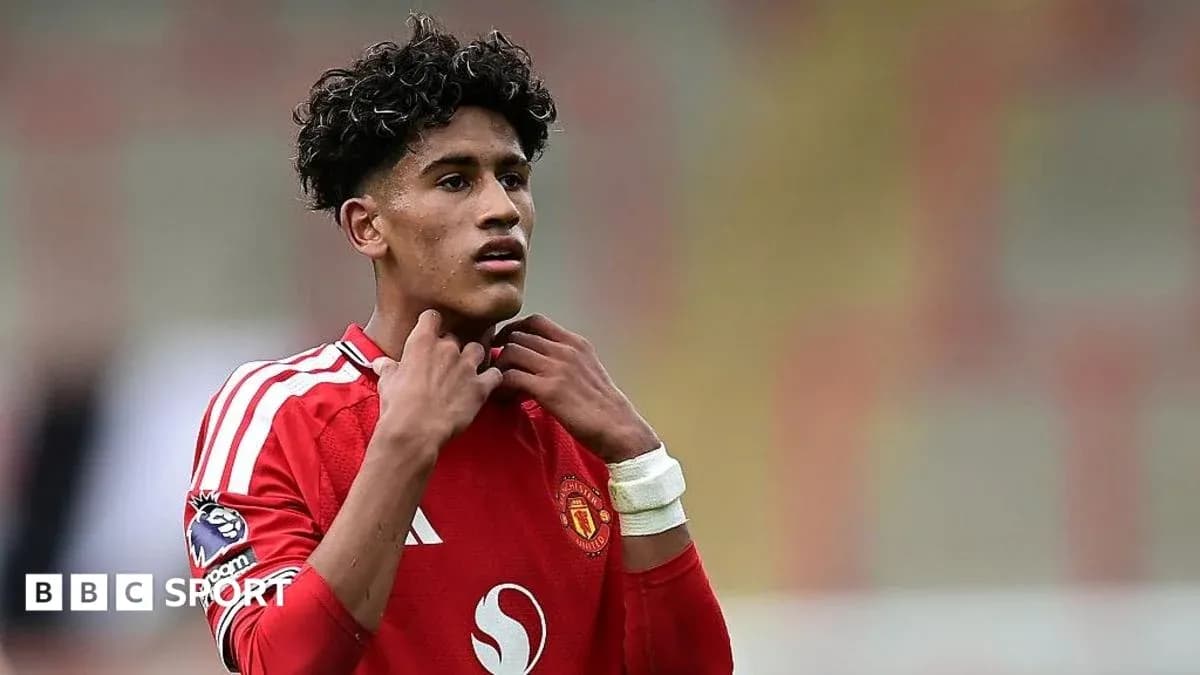
Xabi Alonso’s arrival as head coach delivered another jolt. The new manager made it clear: Páez was “not in my plans.” On the club’s website, he appeared under the academy section, not with the senior squad.
Chelsea tried to find him a loan in English football, a move that might have offered both proximity and competitive edge. Fifa regulations blocked that route. The club had already used all six of their international loan slots, leaving Páez stuck.
So he stayed. Back to Cobham. Back to the Under-21s. Back to basics.
A quiet night, a late reminder
At Wycombe in the EFL Trophy, Páez cut a slightly lonely figure before kick-off. Spanish-speaking, new to this particular group, he stood apart from most of the academy players. He joined the warm-up, but kept largely to himself.
When he came on in the 62nd minute, playing as a right-sided No 10 in a role reminiscent of Cole Palmer’s, he barely influenced the game. Chelsea mirrored Alonso’s back-three shape, but the ball rarely found him in dangerous areas. The match drifted away.
Then, almost at the death, the old quality flickered.
From a short corner, Páez whipped in an outswinging cross. Harrison Bettoni arrived to tap home in added time. Moments later, another delivery from the Ecuadorian caused chaos in the Wycombe box as Chelsea chased an equaliser in front of just 778 fans.
They lost. He remained a peripheral figure for most of the night. Yet those late contributions were something — a hint, a reminder, a small jolt of what he can still do.
Days later, he stepped off the bench in the 12th minute at Arsenal for Cobham Next Gen and finally wore Chelsea blue in a competitive game, as his side ran out 4-1 winners. Not the grand unveiling once imagined, but a start.
Still time on the clock
Strip away the noise and the numbers are striking. Páez is 19 and has already played more than 100 senior matches, including 70 for Independiente. He has been through Libertadores nights, World Cup qualifiers, Superclasicos. This is not a teenager short on experience.
Chelsea know that. Back at Cobham, they have been encouraged by his attitude. There is structure around him again. Family members were in the stands at Wycombe. The environment is stable, elite, familiar.
The club can now track every training session, every run-out. Academy games at Chelsea are watched closely by scouts from across the English Football League and beyond. Every cross, every touch, is a data point for someone’s January shortlist.
Inside his camp, there is optimism. If he strings together performances over the next few months, a first loan in England is firmly on the table in January. Failing that, one of those six international loan slots could free up, opening the door to another move abroad.
Páez’s situation is not yet a cautionary tale. It is a crossroads.
The talent that made him one of South America’s most coveted youngsters has not vanished. It has stalled, been questioned, pushed to the margins. Now, in front of a few hundred fans on academy pitches rather than tens of thousands in Buenos Aires or Quito, he has to answer the only question that matters.
Can he turn the flickers back into a fire?