K League Players' Union Calls for Fall-Spring Schedule Amid Rising Summer Heat
South Korea’s players’ union has gone public with a stark warning: the K League’s traditional calendar is no longer compatible with the country’s escalating summer heat.
“The K League must transition to the Fall-Spring schedule to protect players from the worsening climate crisis and punishing summer heat,” the Korea Pro Footballers Association (KPFA) said in a statement this week, adding that a switch is also vital “to maintain the league’s leadership within Asia and its global competitiveness.”
This is not a theoretical debate. It is rooted in a brutal August.
Earlier this month, the southeastern city of Yangsan hit 42.5 degrees Celsius (108.5 Fahrenheit), the highest temperature in decades of official records. Authorities told residents to stay indoors. The national baseball league shut down for a full week, unable to justify sending players out into that kind of heat.
Football carried on.
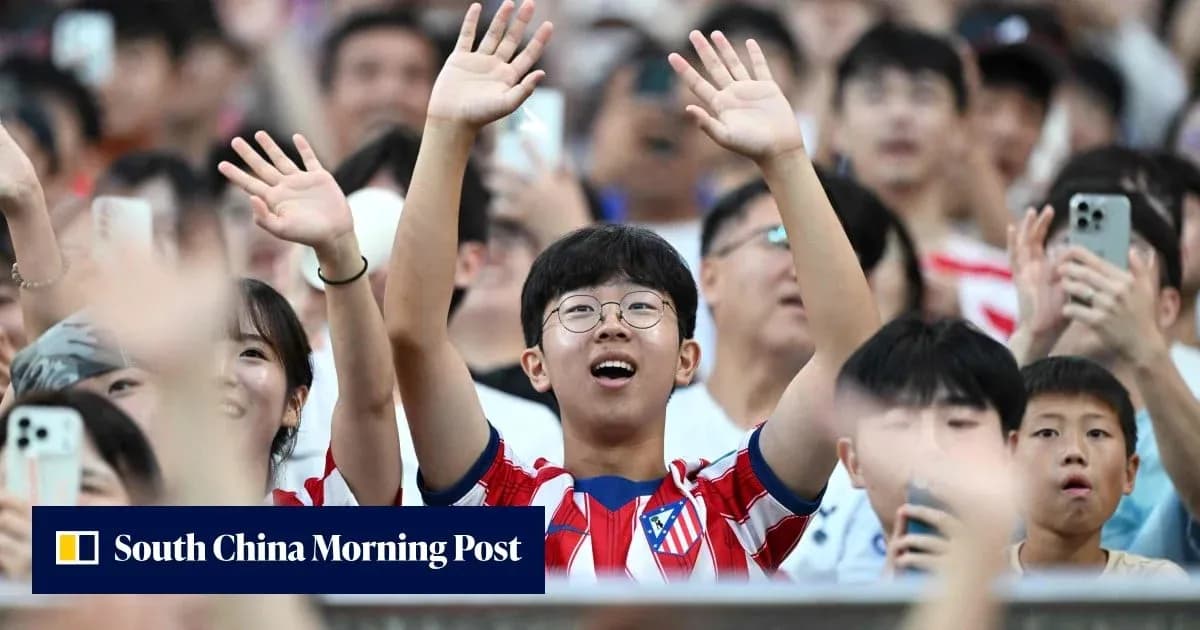
Crowds did not. The extreme temperatures hit attendances for Manchester City’s friendly against a K League All Star team last week, with fans clearly reluctant to spend hours in the open under a punishing sun. City’s subsequent pre-season win over Atletico Madrid, played in cooler conditions on Sunday, drew a full house – a sharp illustration of how quickly supporters return when the weather allows.
Even nights have offered little relief. Seoul’s run of 17 consecutive “tropical nights” – when the temperature never drops below 25 degrees Celsius – only ended on Monday. For players asked to train and compete through that, recovery becomes a battle as much as the matches themselves.
Against that backdrop, the domestic calendar looks increasingly out of step with reality. The 2026 K League season kicked off on February 28 and is due to run until December 6, locking the bulk of the campaign into late spring, summer and early autumn. In the past, that was simply the way things were done. Now, with temperatures spiking and heatwaves lengthening, the KPFA’s push to abandon the traditional schedule has gained fresh urgency.
The question is no longer whether the heat is a problem. It is how long the league can afford to ignore it.