Jeff Bezos Nears Landmark Liverpool Stake Deal
Liverpool, a club that once fretted over bank covenants and refinancing, is now on the brink of welcoming one of the world’s richest men into its ownership structure.
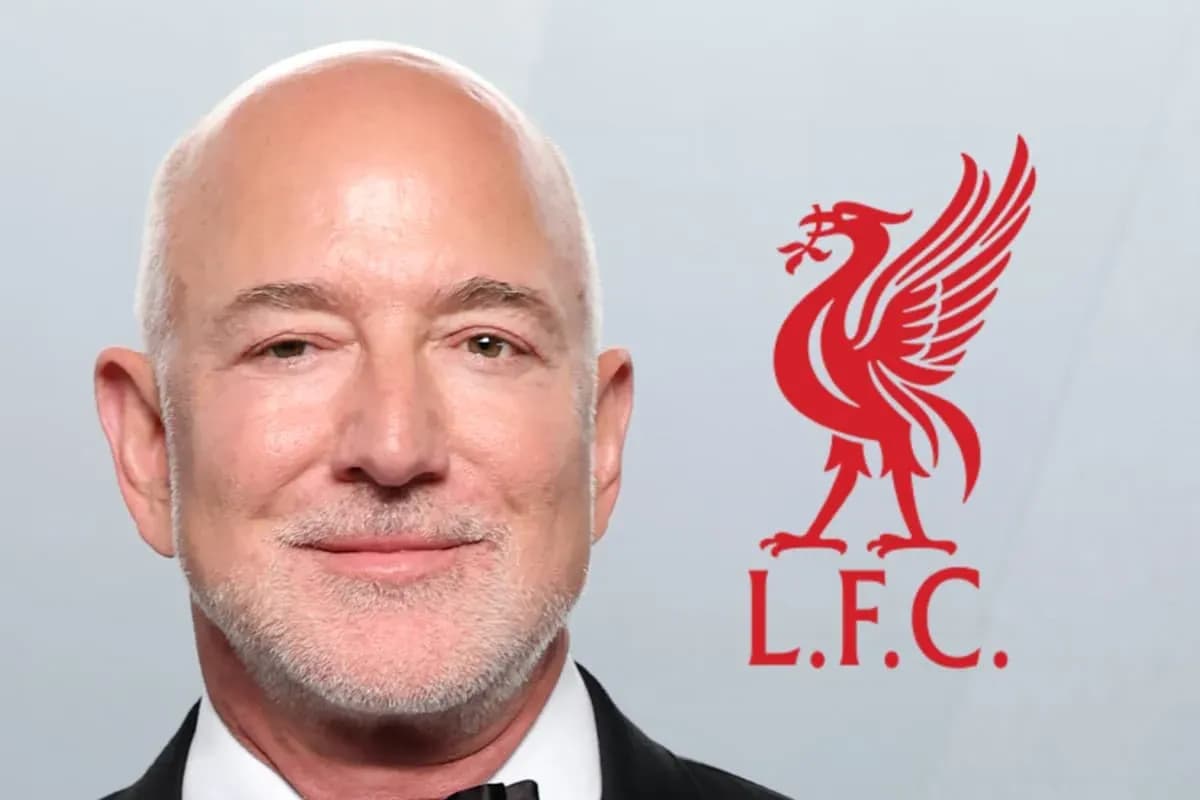
Jeff Bezos is close to buying into the Premier League giants as part of a powerful consortium led by businessman Amit Bhatia, with an announcement expected as early as this week. The group, which also includes Facebook co-founder Eduardo Saverin, is set to acquire a stake of just over 30 per cent in the club.
It would be a minority share. It would not feel like a minor moment.
A $6bn valuation and a new financial era
Fenway Sports Group (FSG), Liverpool’s owners since 2010, are preparing to confirm the deal, according to Sky News. The proposed investment would value the club at around $6 billion, placing Liverpool among the most highly priced assets in world football and marking one of the biggest transactions the sport has seen.
The numbers involved are staggering.
- Bezos is estimated to be worth more than $280 billion.
- Saverin’s fortune is reported at over $32 billion.
- Bhatia, the son-in-law of Indian steel magnate Lakshmi Mittal, brings deep business and sporting experience of his own, having previously held a stake in Championship side Queens Park Rangers.
Three investors. Three enormous personal fortunes. One club already operating at the sharp end of elite football, now poised to gain access to a level of financial firepower few can match.
What it means for FSG – and what comes next
FSG bought Liverpool for around £300 million in 2010, stepping in at a time when the club was weighed down by serious financial problems and mired in boardroom turmoil. The transformation since then has been dramatic: a sixth European Cup, a long-awaited Premier League title, and a modernised, expanded Anfield.
They have always presented themselves as disciplined, data-driven custodians, wary of reckless spending and focused on sustainable growth. Yet last month, FSG confirmed that Bhatia’s consortium had expressed interest in a “strategic minority investment” – a clear sign they were ready to bring fresh capital and new partners into the fold.
Now that interest is close to becoming reality, the questions multiply.
On paper, this is a minority deal. FSG will remain in control. Day-to-day operations and long-term planning will still run through Boston, where the group also owns the Boston Red Sox and the Pittsburgh Penguins.
But football rarely stays still. The arrival of Bezos, Saverin and Bhatia will inevitably trigger speculation about the future. With investors of that scale at the table, the idea that they might eventually seek greater influence – and possibly full control – will hover over every boardroom decision from here.
Power, prestige and the next chapter
Liverpool’s rise under FSG has been built on smart recruitment, strong management and a clear identity, not simply brute financial force. This deal would not change the club’s history. It might change its horizons.
A $6bn valuation signals how far Liverpool have travelled from the days when they scrambled for solvency. Now they stand as one of the sport’s most coveted global assets, attractive enough to draw in the founder of Amazon and a Facebook billionaire.
The money coming in is framed as strategic, not transformative. Yet when the world’s richest figures buy into a club of Liverpool’s stature, the stakes shift. Expectations do too.
If the agreement lands this week as anticipated, Anfield will wake up in a new era: FSG still at the wheel, but with Bezos and his partners now in the passenger seats, staring at the same road and perhaps, in time, eyeing the keys.