Ipswich Town's EFL Cup Victory Over Leicester City: A Mixed Performance
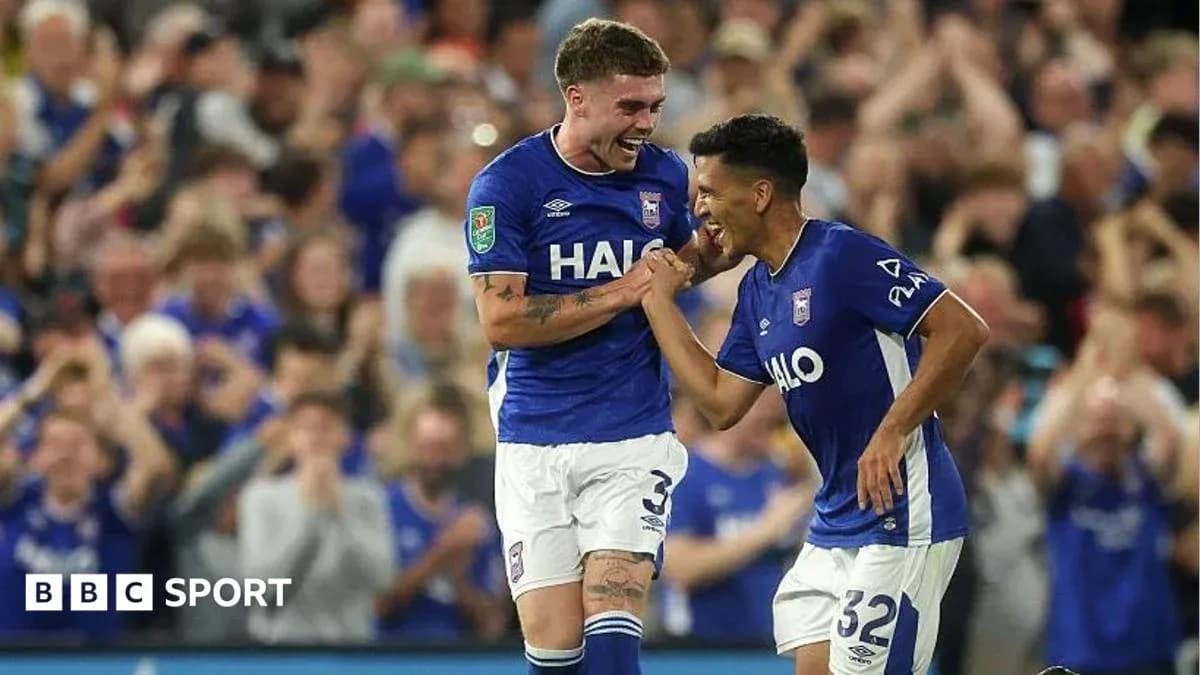
Ipswich Town’s 3-1 win over Leicester City in the EFL Cup looked emphatic on the scoreboard. In the stands and living rooms, it felt very different for long stretches.
For many supporters, the most telling detail came before a ball was even kicked: ten of Kieran McKenna’s starting XI were carried over from last season. Familiar, yes. But on this night, that continuity bled into complacency.
“We were far too slow and lacking in drive and energy,” Jeremy said, summing up a first half that drifted by in a haze of half-presses and loose positioning. Ipswich’s shape looked static, their tempo flat. Leicester, sharper and braver on the ball, picked their way through.
Beardo didn’t dress it up. Ipswich’s press simply didn’t bite.
“We were sluggish and off the pace in the first half. The press was not working as players were not tight enough and we needed to commit an extra player to it, we didn't, so they had an overload and they simply played through us,” he said. “The Foxes really deserved to be in the lead at half-time.”
Leicester did what good sides do when they sense space: they used it. A high line, calm in possession, and enough movement between the lines to keep Ipswich chasing shadows. The visitors controlled the rhythm and looked completely at ease heading into the break.
Second Half
Then the game flipped.
The introduction of Leif Davis turned into the hinge on which the entire tie swung. One change, and suddenly Ipswich’s football had a pulse. Davis injected urgency down the flank, drove forward, and forced Leicester’s back line to turn. The home side started to run in behind, stretching a defence that had been comfortably stepping up and catching them offside for most of the night.
“The introduction of Leif Davis was the changing point,” Beardo added. “Suddenly there was more urgency, a driving force and players started to look to run in behind a very high back line that had consistently played us offside all night.”
The pressure finally told. Ipswich found their stride, their passing grew bolder, and the tie slipped away from Leicester. What had looked like a controlled away performance unravelled under waves of more direct, purposeful attacks. By full-time, 3-1 felt like a statement, even if the road to it had been anything but smooth.
Not every individual came out of it unscathed in the eyes of supporters. Up front, the focus fell on Chuba Akpom. His link-up play drew some praise, but his work in front of goal did not.
“We need another striker,” Edward insisted. “Chuba Akpom did good build-up play, but his shooting is terrible. He had two or three amazing scoring opportunities and scored none!”
It’s a sharp verdict, and it cuts to a wider concern. If Ipswich are to turn nights like this into a habit against stronger opposition, they cannot afford to waste the chances their improved tempo and movement create. The structure, the spirit, the impact from the bench – those boxes were ticked in the second half. The finishing, clearly, was not.
Ipswich march into the next round with a scoreline that will raise eyebrows outside Suffolk. Inside it, the conversation is more nuanced: can this team start games with the intensity they finished with, and will the club find the ruthless striker fans are already calling for?