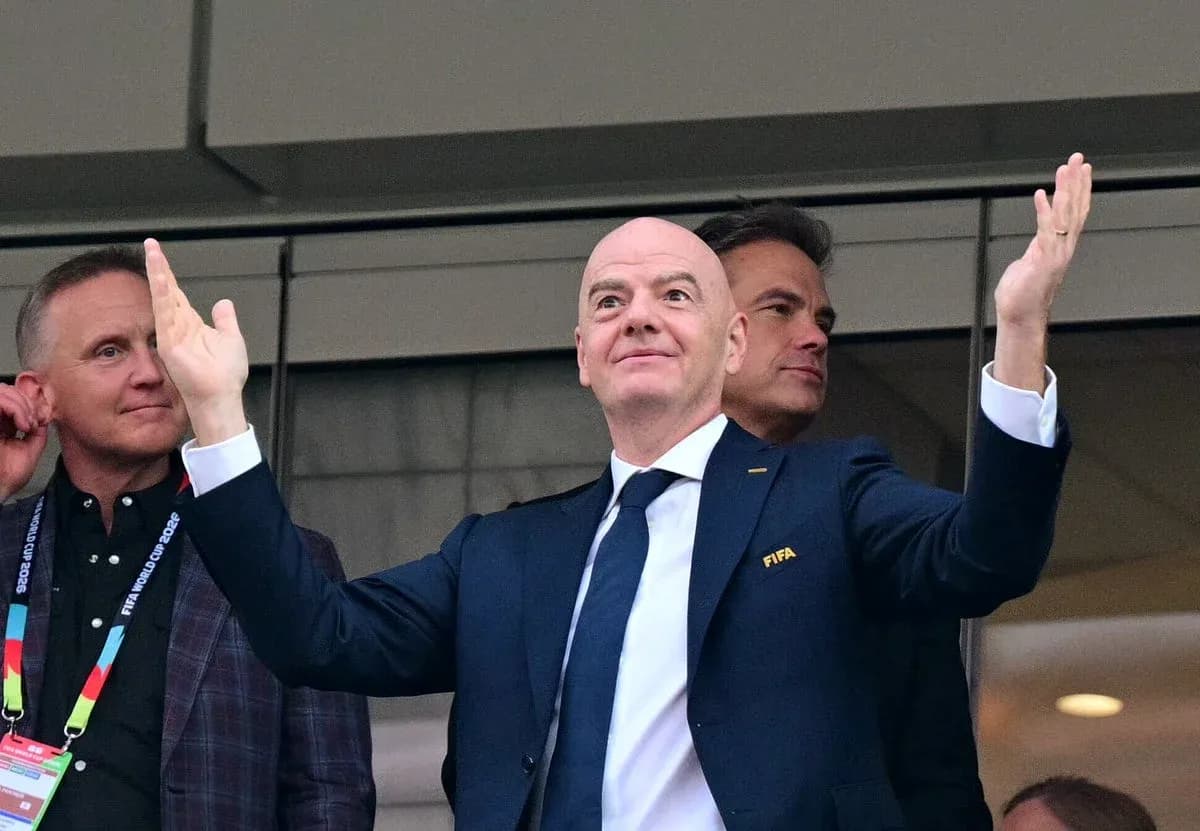
Gianni Infantino's Controversial FIFA Plan Abandoned Amidst Revolt
Gianni Infantino began the week selling a vision. He ended it retreating from a revolt.
Late on Friday night, under intense pressure and facing a mutiny from within his own house, the FIFA president abandoned his controversial plan to sell a minority stake in the organisation’s commercial and event operations. The U-turn was stark, and it was public.
“Having listened carefully to all the views,” Infantino said in a statement, “it has become clear that the project has created divisions of a nature that, regardless of the level of support, are no longer in the interest of the objective set out in the first place. Our purpose has always been — and will always be — to unite and improve. As a result, this proposal will not proceed.”
By then, the project was already burning.
A deal that tore the game apart
The plan had looked simple on paper, at least to those pushing it. FIFA wanted to create a new private entity, FIFA Forward Enterprises (FFE), to run its flagship events, including the World Cup and Club World Cup. A 21 per cent minority stake in that vehicle would be sold to outside investors, led by Joshua Kushner’s venture capital firm Thrive, in a deal projected to raise $4.2 billion.
That cash, FIFA argued, would be funnelled straight back to its 211 member associations through a new funding stream, the FIFA Fast-Forward Programme (FFFP). With the scheme in full flow, total development funding over the next four years would have exceeded $10 billion.
The sales pitch did not stop there. Even those associations that opposed the FFE proposal, FIFA said, would still be guaranteed $20 million each in the 2027-30 cycle, rising to $22 million in 2031-34 and $24 million in 2035-38, whether or not any stake was actually sold. Those who backed the plan would receive $40 million in 2027-30, before their payments aligned with everyone else.
Money everywhere. But trust drained away.
Confederations push back
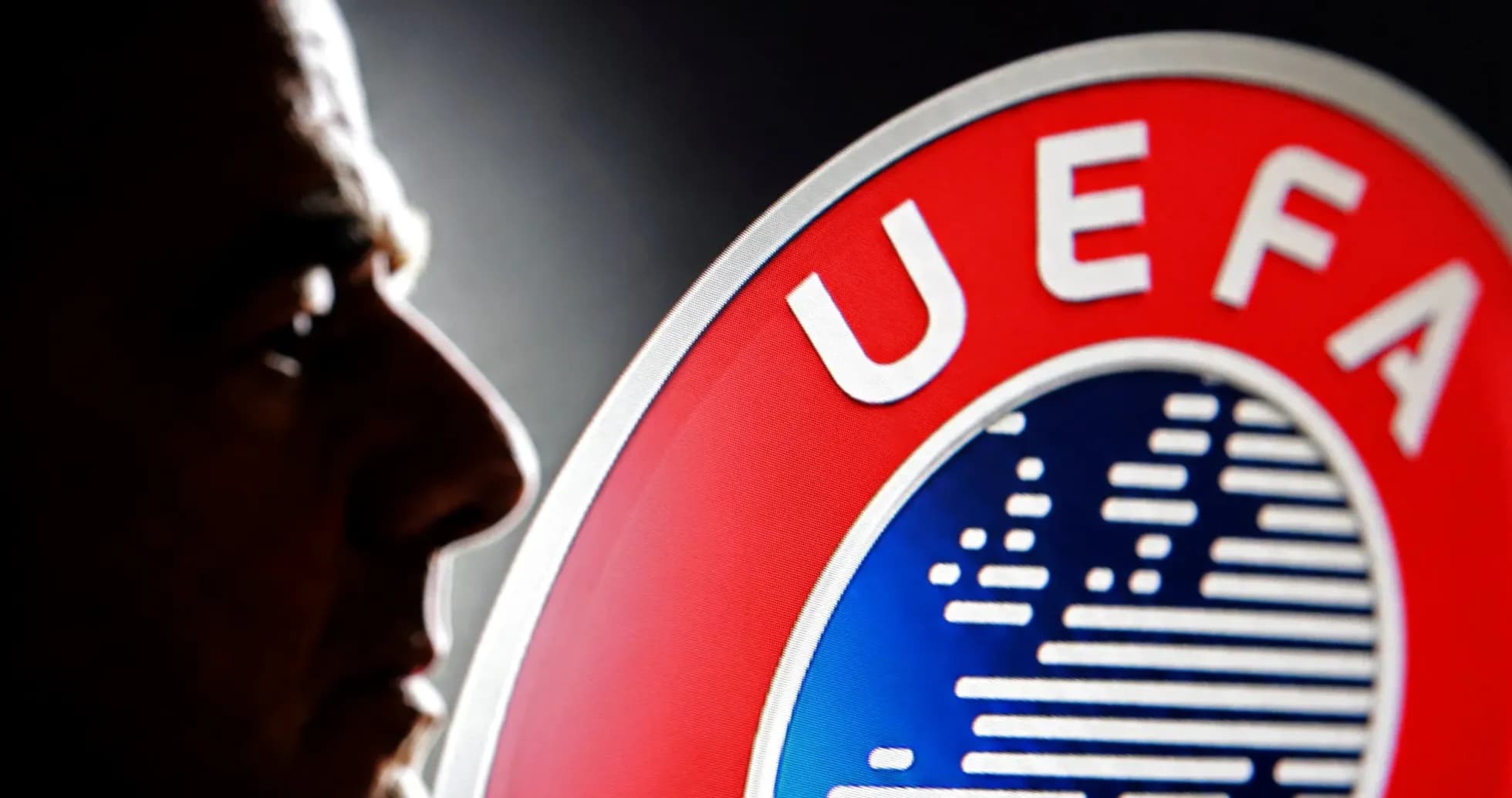
UEFA moved first, and it moved hard. The European confederation warned that all 55 of its members would boycott FIFA competitions, including future World Cups, if the proposal stayed on the table. That was not a polite objection. It was a line in the sand.
Concacaf and the Asian Football Confederation (AFC) then closed ranks with UEFA, publicly rejecting the direction of travel. Between them, those three confederations represent 137 of FIFA’s 211 members — a clear majority, and enough to turn a presidential project into a political crisis.
Early on Friday in Europe, FIFA tried to steady the ship. In a statement, it insisted “nobody is selling football” and said it “acknowledges and respects feedback and concern aired in public”, while making clear it intended to press ahead and “reaffirms its commitment to an open and democratic consultation.”
The pressure did not ease. It intensified.
Soon after that FIFA communication, the AFC issued its own statement, underlining its solidarity with UEFA and Concacaf. South America’s CONMEBOL stopped short of outright rejection, but still warned that financial and commercial decisions “must always serve the interests of football and never take precedence over its essence.”
The message from across the game was unmistakable: this was a step too far.
Allies turn into critics
The external revolt was damaging. What came next cut deeper.
First, Infantino’s adviser Carlos Cordeiro resigned and dismantled the project on his way out. In a blunt assessment, he labelled it “a bad deal for FIFA’s Member Associations, a bad deal for football, and a bad deal for the long-term future of the game.”
Then Kevin Lamour, FIFA’s chief operating officer, spoke to The Associated Press and accused Infantino of deceiving staff over the plan. He said he would sleep better having spoken out, even if it cost him his job.
“It is the project of one person,” Lamour said. “Not only must this project not go ahead… but the time has now come for football political leaders to ask themselves the right questions and make the right decisions.”
When your own executives start talking like that, the fight is no longer about a commercial structure. It is about survival.
Thrive, Kushner’s firm, had not walked away from the deal by Friday night. It did not need to. FIFA’s leadership did that for them, pulling the plug and wiping the proposal off the table with a late statement that marked one of the most dramatic reversals of Infantino’s presidency.
From dominance to doubt
Only days earlier, Infantino stood as the all-powerful incumbent, fresh from overseeing a men’s World Cup that generated $15 billion in revenue. Inside football politics, many believed his re-election in March 2027 was a formality. Several federations had already filed letters pledging support.
That aura of inevitability has been badly damaged.
During meetings of UEFA and Concacaf on Thursday, The Athletic reported that his future leadership was openly questioned. Lise Klaveness, president of the Norwegian Football Federation, captured the mood when she told VG: “My clear impression at the moment is that he has lost a great deal of trust. We didn’t vote for him last time, and we’ve been sceptical about this. There are many good things about FIFA, but if you take a lax approach to governance principles and rules, you quickly lose trust.”
Infantino entered this week fighting for a project. By the end of it, he was fighting for his authority.
What began as a bold financial play — a new company, billions in fresh investment, a promise of unprecedented funding for every corner of the game — has morphed into a test of his grip on FIFA and the limits of presidential power.
The proposal is dead. The politics are not. Nominations for the 2027 election must be lodged by November. After this bruising climbdown, the question is no longer whether anyone will dare to challenge Gianni Infantino.
It is how many will.