Germany's National Team: A New Generation Rising
There’s a quiet storm building around the German national team, and it’s not just about tactics or formations.
It starts with youth. FC Bayern’s latest prodigy is packing his bags for North America, a move that underlines how aggressively German football is trying to broaden its reach and toughen its next generation. Tours like this aren’t just marketing exercises anymore; they’re auditions. Every training session, every friendly, is a chance for a youngster to step out of the academy shadow and into the senior conversation.
For one Bayern youngster in particular, that conversation is very real. He has a genuine shot at forcing his way into the national team picture. Perform well on foreign soil, show maturity against unfamiliar opponents, and the door to Germany’s senior setup opens a little wider. Julian Nagelsmann is watching. So are his staff. These are the margins that decide tournament squads.
But while the future is boarding a transatlantic flight, the present carries an old weight.
Questions linger over whether a long-standing rift is still shaping Germany’s squad selections. The national team has never been immune to politics, personalities, or historical grudges, and the suggestion that an unresolved dispute might still be echoing through the corridors of power is impossible to ignore. When a big name is left out or a form player is overlooked, the debate flares up again: is this purely a football decision, or is something older and more personal still in play?
Nagelsmann, meanwhile, has had to sit across from players and deliver the kind of news every professional dreads. Some dreams end in a manager’s office, not on the pitch. Calls, meetings, brief conversations that feel brutally short after years of work. He has already broken bad news to those who fall just short of the cut, a reminder that international football is as ruthless as it is glamorous. For every player boarding a plane to a major tournament, another is left watching from home, wondering what more they could have done.
Germany’s attacking options offer a different kind of story: one of promise and flexibility. A BVB attacker is set to give the national team a fresh dimension in the final third. His game brings variety—he can drift wide, drop between the lines, or attack the box directly. That sort of versatility is gold in tournament football, where one injury or one suspension can flip a tactical plan on its head. With him, Germany can change shape without changing personnel, switch tempo in an instant, and ask new questions of defenses that think they’ve seen this team before.
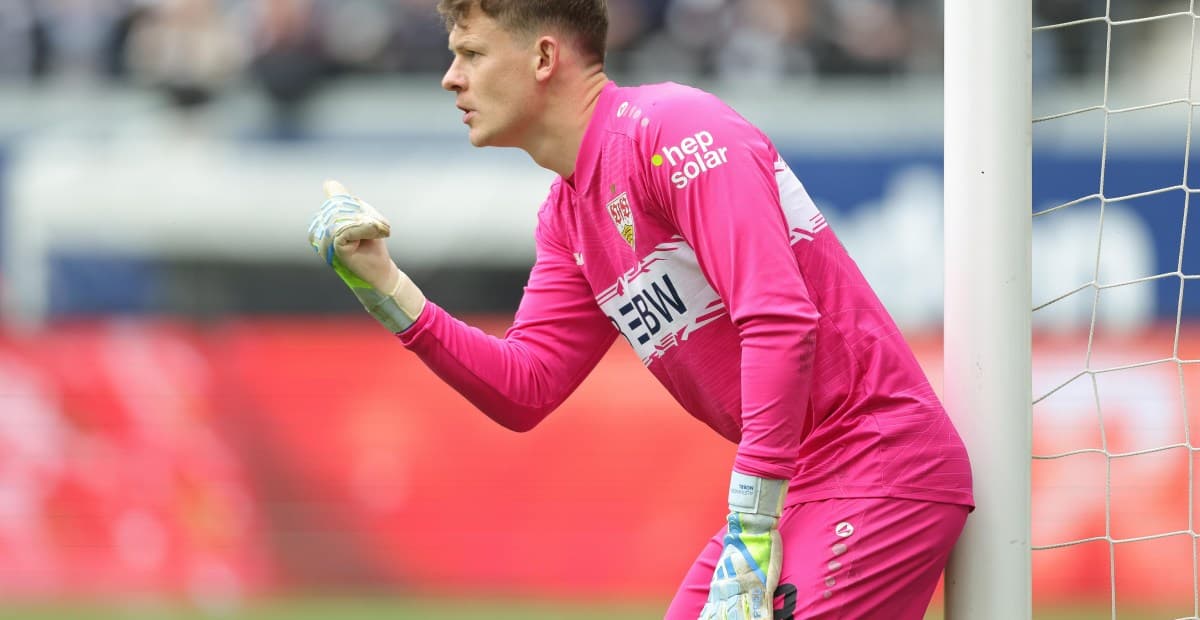
Behind all of that, the last line of defense carries its own subplot. At Hoffenheim, a goalkeeper looks ahead to the summer with a firm sense of self-belief. He knows the hierarchy. He knows the competition. But he remains confident in his role, convinced he still has a part to play for his country when it matters. For keepers, patience is a career requirement. One chance, one moment, can redraw the depth chart overnight.
Taken together, these threads sketch a national side in transition: young talent flying out to prove itself, established names wrestling with selection politics, versatile attackers reshaping the frontline, and goalkeepers clinging to their place in a crowded field.
The question now is simple and unforgiving: can Germany turn all of that tension, hope, and competition into a team that actually delivers when the summer lights come on?