Fulham Preview: New Era Under Arbeloa Begins
Guardian writers’ predicted position: 15th
Last season: 11th
Silva era ends, questions begin
Marco Silva’s exit after five years by the river never felt like a plot twist. It was the logical final chapter. He had dragged Fulham back into the Premier League’s middle class, turned survival into expectation and made Craven Cottage a place where teams had to suffer for points. But he never hid his ceiling. He wanted Europe, he wanted backing, and he did not get enough of either.
Under Silva, Fulham were fun. Spiky, awkward, often bold. A group of overlooked or discarded players turned into a side that routinely looked up the table, not over its shoulder. They fell short of European qualification yet rarely looked like relegation fodder. For a club that had yo-yoed for a decade, that stability was no small achievement.
Now the man who rebadged and replenished so cleverly is gone, off to Benfica. The safety net of his know-how goes with him.
Arbeloa and the Bernabéu connection
In his place comes Álvaro Arbeloa, a very different bet. On the touchline he is raw compared with Silva, but he walks in with Real Madrid on his CV and the ear of Florentino Pérez still ringing in the background. This is not a conventional Premier League appointment. It is a statement of intent and a roll of the dice at the same time.
Arbeloa does not arrive alone. Gonzalo García and César Palacios, both shaped under him in Madrid’s system, have followed. All three share the same agency, a detail that only fuels the feeling that Fulham are edging towards becoming a Madrileño nursery on the Thames. Talk of further links – Endrick, Thiago Pitarch, more young Real jewels – only sharpens that impression.
If those relationships bear fruit, Fulham’s identity shifts again. From Silva’s band of seasoned pros to a pipeline of high‑ceiling talent, loaned or bought, with the Bernabéu as the reference point.
From hard-bitten pros to polishing projects
Silva trusted veterans. He built around players who had seen things. Now some of those lieutenants have gone. Raúl Jiménez has moved on. Harry Wilson, who produced the best football of his career last season, has taken a better offer at Leeds. The dressing room loses experience and a key creative outlet.
The club’s new direction is clear: younger, cheaper, mouldable. Fulham want to do what Brentford, Brighton and Bournemouth have done so well – find value early, develop it, sell or build around it. But those clubs lean heavily on data and long-term planning. Fulham, historically more enigmatic, are only now leaning fully into that model.
Can they match those mid-tier specialists at their own game? Or will supporters, used to looking upwards under Silva, find themselves scanning the bottom three again? The club that never quite reveals its hand has just become harder to read.
Money, marble and the Riverside gamble
Off the pitch, the picture is as glossy as it is fraught. The Riverside Stand, with its luxury hospitality, has completed its first full season and promptly helped the club to a runners-up spot at the football business awards for stadium experience. It looks the part. It has to pay its way.
The 2024-25 accounts showed a pre-tax loss of £44.5m. That figure was softened by the sale of João Palhinha in July 2024. There has been no equivalent windfall since. Staff costs sit at 117% of turnover. The Khan family’s total investment is estimated at around £900m. The money is real; so are the limits.
That financial strain explains why Silva’s demands for heavier backing hit a wall. The Riverside is not just a vanity project; it is a necessity. It has to bridge the gap between ambition and reality.
Khan, the fans and the price of loyalty
All of this plays out against a fraught relationship with the core support. The most expensive season ticket at Craven Cottage – £3,084 for a Riverside spot – is the priciest in the Premier League. For many regulars, it symbolises a club courting tourists while squeezing the locals.
Shahid Khan and his son Tony, the vice-chair and director of football operations, are not short of personal success stories. Khan’s superyacht Kismet, with a main salon inspired by the Palace of Versailles, was named superyacht of the year in 2025 and can be chartered for more than $3m a week. The contrast with the match‑going fan base is stark.
Yes, the balance sheets show serious outlay to keep Fulham in the top flight. But the sense from the stands is simpler: recognise that not everyone lives the high life.
Arbeloa’s brief: youth, attack, identity
On the touchline, Arbeloa brings a different kind of pedigree. Where Silva grafted his way up after an unremarkable playing career, the new man is a World Cup and Champions League winner. He has lived the elite game, marked the best forwards on the planet and worked inside Real Madrid’s unforgiving environment.
Pérez even asked him to replace Xabi Alonso mid-season in the 2025-26 campaign. That move never materialised, and Arbeloa instead chose Fulham as his first job outside Madrid, where he had earned respect as a youth coach.
Khan Sr highlighted one key trait: Arbeloa “believes in giving young players a chance”. That dovetails perfectly with Fulham’s pivot towards youth and potential. Crucially, he also believes in open, attacking football – a nod to the Cottage’s traditions and a thread of continuity from Silva’s tenure. The style, at least, should not lurch into conservatism.
Gonzalo García: the headline act
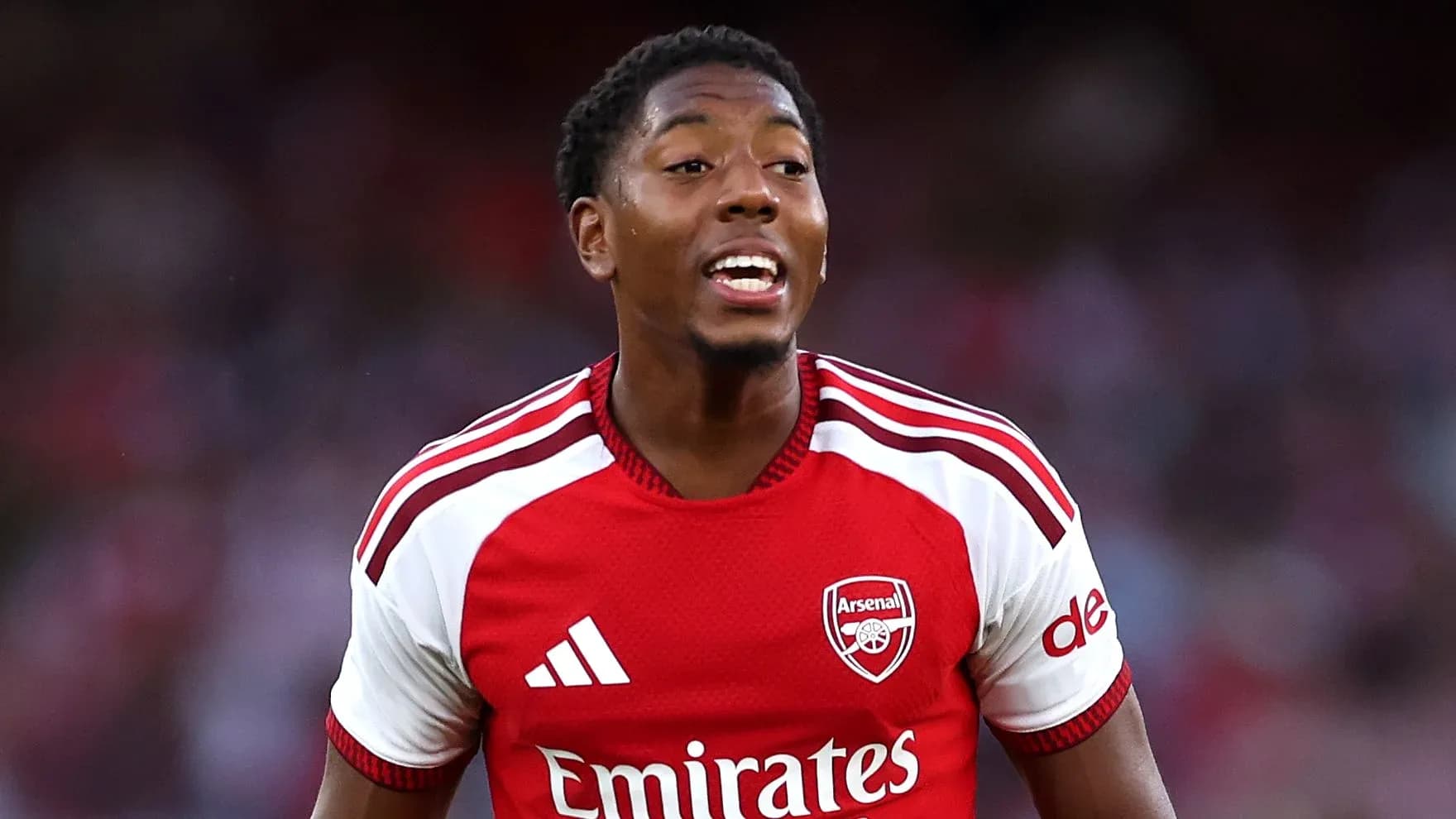
The marquee arrival is Gonzalo García. His reputation exploded at last summer’s Club World Cup, where he took the Golden Boot and drew comparisons with Raúl – no small compliment at the Bernabéu. He backed it up with Champions League goals against Juventus and Borussia Dortmund before the reality of Madrid’s star system caught up with him. Vinícius Júnior and Kylian Mbappé left little room for anyone else.
In Spain, García is known not just for his finishing but his work without the ball. That matters in England. Last season, injuries to Rodrigo Muniz left Jiménez to carry the load at centre-forward. Now García arrives younger, fresher, but with a heavy layer of hype and expectation.
Fulham need him to be more than a story. They need goals, movement, and the kind of relentless effort that can set the tone for Arbeloa’s front line.
Changing the way Fulham press
Numbers told a blunt story last season: Fulham fielded the oldest side in the Premier League and produced arguably the least intense press. They recorded the fewest high turnovers in the division – those moments when you win the ball back in the final 40 metres and launch a new attack. For all their attacking intent in possession, they rarely suffocated opponents high up the pitch.
Real Madrid are not a pressing machine either, but they still outperformed Fulham comfortably in that metric. Arbeloa arrives from a culture where control and timing matter more than chaos, yet the Premier League’s middle pack is increasingly defined by how aggressively teams hunt the ball.
Does he raise the press and risk exposing a reshaped defence? Or does he lean on structure and transitions, trusting García and company to make the most of fewer, better chances? His answer will shape Fulham’s season.
Kusi-Asare and the next wave
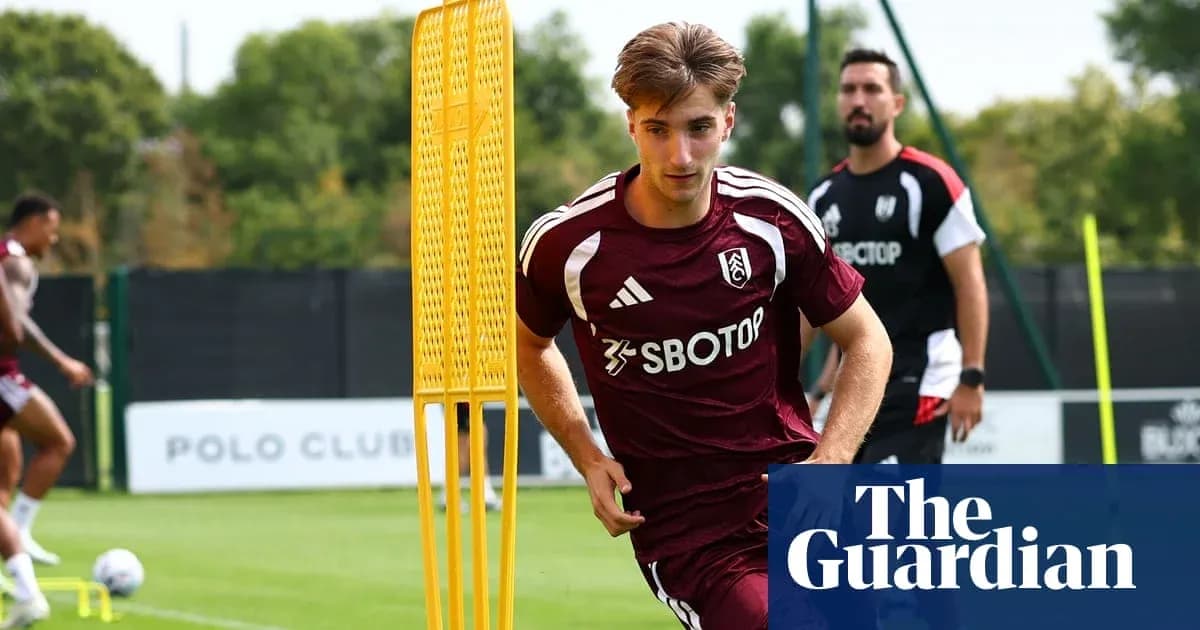
Behind García, another project is quietly building. Jonah Kusi-Asare arrived from Bayern Munich last summer, another raid on a super-club’s youth ranks. Bayern insisted on a buy-back clause for the former AIK forward, a sign of how highly they still rate him.
The Sweden Under-21 international made seven substitute appearances last season without scoring before an initial loan turned permanent. At 6ft 5in, he offers a very different profile to García – a towering presence, more Isak than Raúl in terms of comparison. Hayden Mullins, then Fulham’s under-21 coach and now Newport manager, saw the best of him: five goals in six matches for the youth side.
If Arbeloa really does trust youth, Kusi-Asare is a prime candidate to benefit.
World Cup bounce
Several Fulham players arrive into this campaign with their reputations enhanced by the World Cup. García made his debut for Spain in a pre-tournament friendly against Iraq, even if he missed out on a place in the eventual champions’ squad.
Antonee Robinson shone for the USA until the co-hosts fell in the last 16 to a Belgium side featuring Timothy Castagne. Luc de Fougerolles, yet to taste Premier League action, showcased his composure and defensive instincts in Canada’s run to the knockouts. And Sander Berge capped a strong tournament as Norway reached the quarter-finals.
Fulham, then, do not just have prospects. They have players who have tested themselves on the biggest stage and come back with credit.
The question now is simple and unforgiving: can Arbeloa weld Madrid’s polish, Fulham’s tradition and this new youth movement into a team that keeps the Cottage looking up, not down?