Frenkie de Jong's World Cup Disappointment
Frenkie de Jong’s World Cup ended not with a flourish, but with a wince.
Dragged to the touchline in extra time after almost 110 exhausting minutes, the Barcelona midfielder watched from the sidelines as the Netherlands fell to Morocco on penalties – and then watched the post-mortem unfold with his name right in the middle of it.
A Night That Turned On Him
Most of the Dutch inquest zeroed in on Ronald Koeman’s tactical choices. The system, the shape, the decision to alter what had worked in the group stage – all of it came under fire.
But the captain did not escape. Far from it.
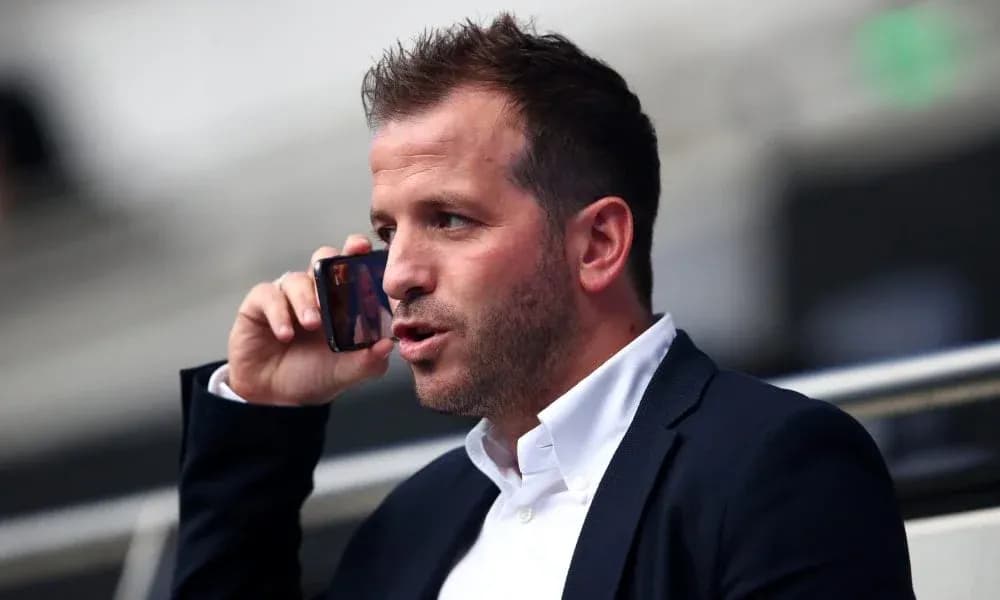
Rafael van der Vaart, never one to sugar-coat, delivered the sharpest blow. Speaking on NOS, quoted by Mundo Deportivo, he said bluntly:
“Frenkie de Jong played the worst match I have ever seen from him.”
For a player who had recently pushed back at those who question his influence – arguing that many people watch football without truly understanding it – the line cut deep. This was not social media noise. This was a Dutch great, on national television, drawing a red circle around his performance.
System Under the Microscope
Van der Vaart did not stop at the individual. He went straight for the structure around him.
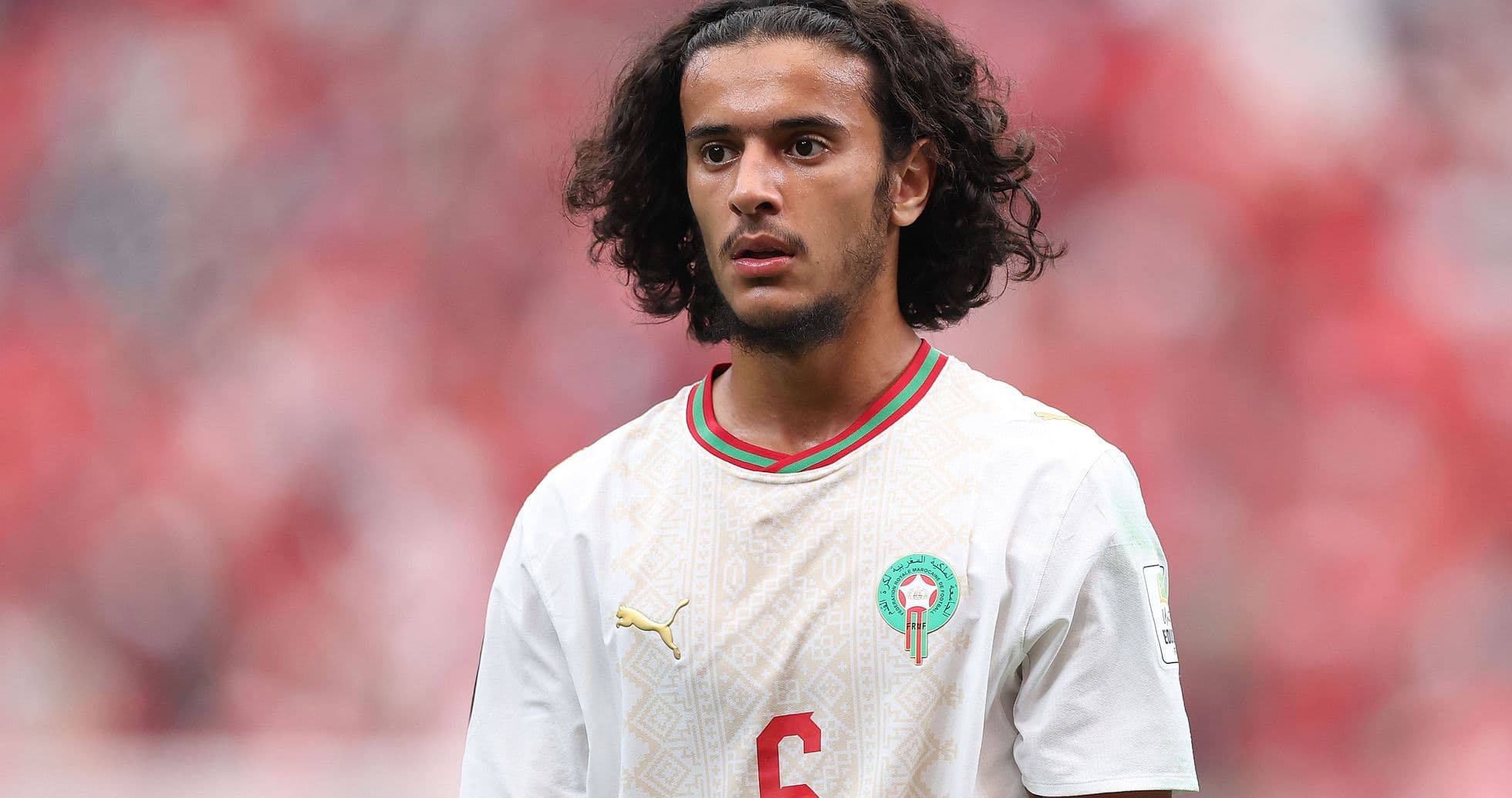
“It was really disappointing, but that is also because of the system,” he said. “I consider midfield to be Morocco’s strongest point, and even so we decided to play against them with only two midfielders.”
That was the heart of the Dutch problem. Against a Moroccan side whose engine room has become their calling card, the Netherlands walked in light. Two midfielders asked to cover too much ground, handle too many duels, and still provide fluency on the ball.
Van der Vaart’s frustration grew as he reflected on the bigger picture:
“I am very disappointed with Holland. We got through the group stage quite well. Things were starting to work, so what goes through your mind for you to suddenly have to do things completely differently against Morocco? I do not understand anything at all.”
The implication was clear: Koeman’s tactical gamble left his midfield – and his captain – exposed.
Frenkie Struggles In The Storm
Frenkie de Jong was not blameless. He felt the chaos around him and never quite imposed order on it.
Against a packed, aggressive Moroccan midfield, the Netherlands lacked control, lacked numbers, and lost rhythm. The spaces he usually glides into were crowded. Passing lanes closed. Every touch came with a body at his back.
Jan Mulder picked up on something else: the caution in his game.
“He was too cautious, I only saw sideways passes,” Mulder said, highlighting a player who, on this night, played safe when his team needed incision.
For a midfielder celebrated for carrying the ball through pressure and breaking lines, it was a muted display. The overload Morocco created in central areas turned one of the Netherlands’ greatest strengths into a weakness.
One Bad Night, Not A New Reality
Strip away the emotion of an elimination, and the broader picture remains intact.
This match does not redefine Frenkie de Jong. It stains a tournament, not a career.
He had been outstanding for the Netherlands in the group stage – dictating tempo, beating the press, knitting defence to attack with that familiar glide and calm. The qualities that make him so valuable to Barcelona did not suddenly vanish. They were simply suffocated by a plan that left him outnumbered and out of sync.
At club level, Barça know exactly what they have: a midfielder who carries the ball under pressure, resists the press, progresses play, and connects the team’s lines like few others. One bad knockout performance, in a flawed structure against a strong Moroccan midfield, does not erase that.
The criticism will linger. The images of a captain trudging off before the shootout will, too. The real question is not what this game says about Frenkie de Jong’s level.
It is how the Netherlands choose to build around him the next time everything is on the line.