Fifa's Late U-Turn on Water Bottles Angers Fans Ahead of World Cup
Seven days before the World Cup begins on 11 June, Fifa has ripped up one of its own rules and ignited a fresh row with supporters.
Reusable water bottles, which had been explicitly allowed in the official stadium code of conduct, are now banned from all World Cup venues. Cups, jars and cans have been swept into the same category. The governing body says the move is about safety, about cutting the risk of missiles being hurled from the stands.
For fans, it feels like something else entirely.
From Green Light to Red Flag
The original guidance could not have been clearer. Fifa’s own wording stated that “empty, transparent, reusable plastic bottles, up to (1 litre in) capacity, may be brought into the stadium.”
That line has gone.
In its place is a blanket prohibition that will catch out thousands of travelling supporters who thought they were prepared for long, hot days in and around the arenas.
“Fifa is committed to protecting the health and safety of all players, referees, fans, volunteers, and staff,” the organisation said in a statement defending the late change, framing the decision as a security measure aimed at reducing injuries from thrown objects.
The message is simple: if you want water, you’ll have to get it inside.
Heat Fears Meet Fan Frustration
The timing could hardly be more sensitive. Scientists have already warned that Fifa’s heat safety measures for this tournament are “inadequate”, with temperatures at 14 of the 16 host venues expected to push past dangerous thresholds.
These are not mild concerns. They are warnings about risk.
Fifa insists it has planned for that side of the equation. The governing body says it works with each host city committee and local authorities on “heat mitigation factors” for travelling fans. Those measures, it says, can include misting stations, fans, hydration points, cooling tents and other facilities dotted around the stadium footprint.
Inside that footprint, Fifa has promised that water will be on sale and that prices “for water bottles for the Fifa World Cup 2026 will remain consistent with other events held at each stadium.” In other words, no World Cup-specific mark-up at the concession stands, at least on paper.
But the promise of “usual venue prices” lands in a climate where supporters already feel squeezed.
‘Strange, Late Change’ as Costs Mount
Ticket prices have been branded “extortionate” by many fans. Train fares and travel costs have spiralled. Every new restriction, every fresh announcement, is now viewed through that lens.
The new bottle ban has been no exception.
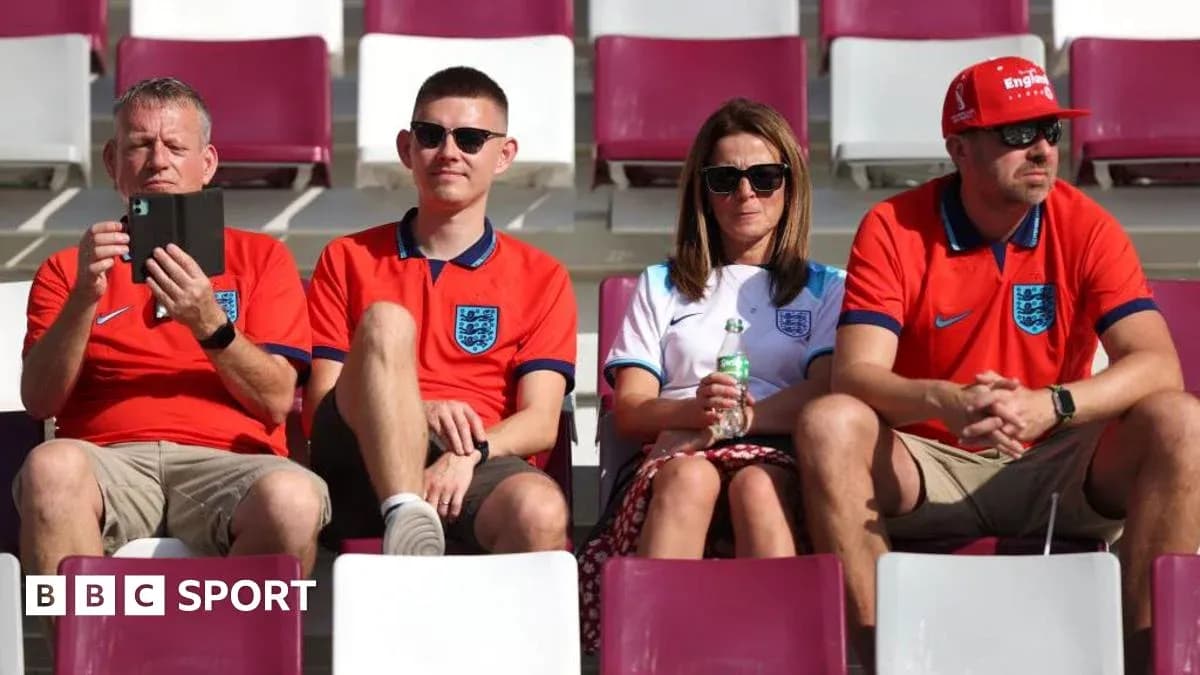
The Free Lions England fans’ group labelled the decision a “strange, late change” and voiced the suspicion many supporters share. In a statement on X, they said that free water availability inside stadiums had been a key point in their talks with Fifa. They were told, they said, that fans would be able to bring their own bottles.
That assurance has evaporated a week before a ball is kicked.
“Naturally, the immediate thought from supporters is this is just the latest money-grab,” the group said, pointing to the expected heat and the open-air design of many stadiums as reasons to ease, not tighten, rules on hydration. Their plea was blunt: let fans bring a bottle if they want to.
The group also pushed on a crucial detail: water fountains. They “hope the water fountains in stadiums will still be free,” adding a pointed aside about not being charged while queueing for them.
A Familiar Flashpoint
For seasoned World Cup travellers, this is not new territory. Fans were also barred from taking bottles into stadiums at the last tournament in Qatar, a policy that drew heavy criticism at the time.
The pattern is becoming hard to ignore. Security on one side. Commercial reality on the other. Supporters stuck in the middle, paying more and carrying less.
Fifa’s stance is that safety comes first. Fans look at the soaring temperatures, the warnings from scientists, the rising costs, and see a different priority altogether.
In a week, the world’s attention will turn to the football. Until then, one question lingers in the heat outside those turnstiles: in a tournament sold as a festival for fans, who is this World Cup really built for?