FIFA Eases World Cup Water Bottle Ban Amid Fan Outcry
FIFA has rowed back on its controversial World Cup water bottle policy, allowing supporters to bring a single disposable bottle into stadiums in the USA and Canada after a wave of criticism over safety and cost.
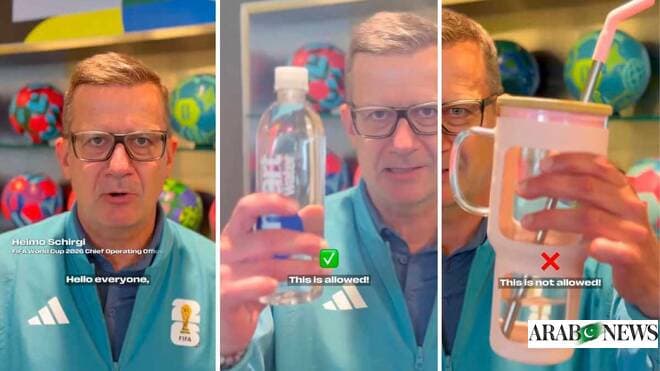
In a video posted on FIFA’s X account on Friday, World Cup chief operating officer Heimo Schirgi confirmed that fans will be able to carry one “soft, plastic” factory-sealed water bottle of up to 20 ounces (590ml) into matches at the 2026 tournament in the United States and Canada.
The governing body described the move as a “clarification” rather than a U-turn, but the timing tells its own story. The announcement landed just two days after FIFA updated its stadium code of conduct to ban all refillable bottles, a change that sparked anger among supporters already bracing for steep prices and searing summer heat.
The original ban meant fans would have to buy all their water inside the grounds, a prospect that drew immediate criticism from fan groups and health experts, especially with forecasters warning of extreme conditions at several open-air venues.
FIFA has anchored its stance in security. In a statement to AFP, the organization argued that outside bottles are already barred at several World Cup venues on safety grounds, and that it is simply applying a consistent rule across all tournament stadiums “to prevent risk and injury to players and attendees.”
Those concerns, FIFA insists, have not gone away. Schirgi underlined that while one disposable bottle will now be permitted, hard-sided and reusable bottles remain off-limits. In the video, he held up examples of what will and will not be allowed, drawing a firm line between soft plastic containers and sturdier, potentially throwable objects.
Heat, though, is the looming opponent no one can ignore.
The World Weather Attribution research group reported last month that 26 of the 104 World Cup matches are likely to be played in conditions where the Wet Bulb Global Temperature (WBGT) exceeds 26 degrees. WBGT is a measure of heat stress that blends temperature, humidity, wind and sunlight, and readings above that threshold raise genuine concerns for both players and fans.
The warning is not theoretical. At last year’s FIFA Club World Cup in the United States, supporters complained of “searing” conditions while also being blocked from bringing water bottles into stadiums. That experience has hung over preparations for 2026, sharpening scrutiny of FIFA’s approach to hydration and stadium safety.
FIFA says it has learned at least part of that lesson. The organization has promised misting stations, fans, hydration points and cooling tents “in the stadium footprint” to help spectators manage the heat. Inside the venues, bottled water will be on sale at prices that, according to FIFA, will “remain consistent with other events held at each stadium.”
So fans heading to North America in 2026 now know the drill: one soft, sealed disposable bottle from outside, no reusable flasks, and a heavy reliance on the cooling infrastructure FIFA has pledged to deliver. With the mercury expected to rise and the schedule packed, how well that balance holds could become one of the defining off-pitch storylines of this World Cup.