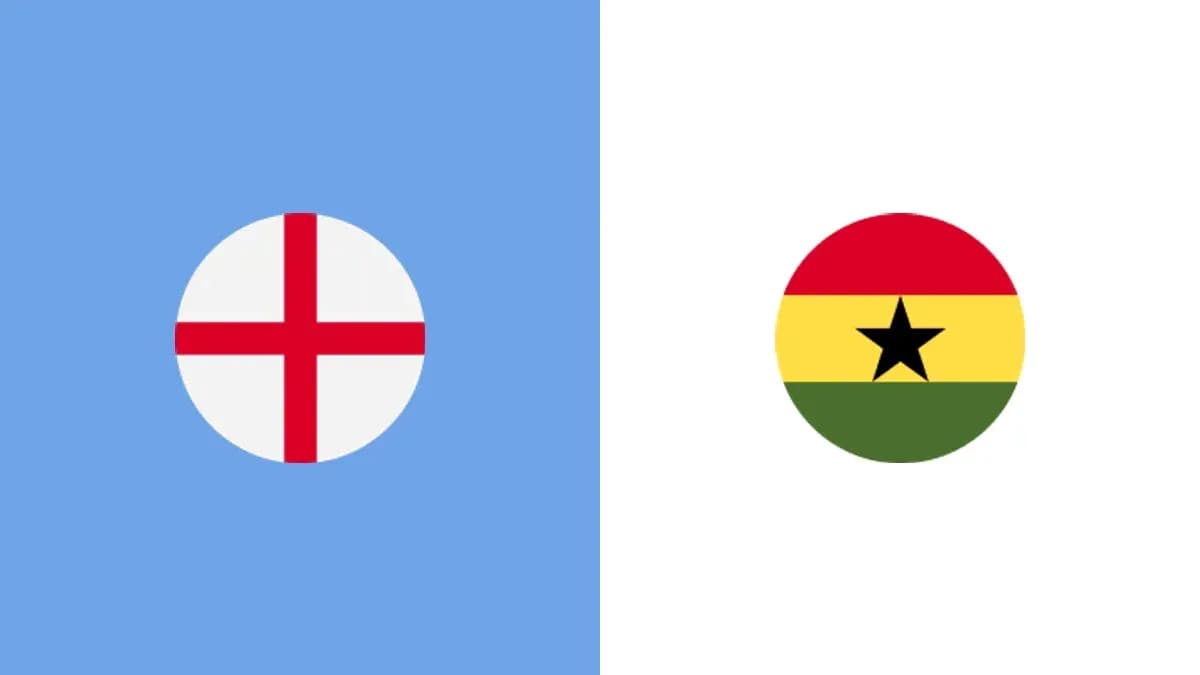
England vs Ghana: A Critical Clash in Group L
On a humid June night in Foxborough, two very different opening acts crash into each other. England, all fireworks and flaws after a 4-2 shootout with Croatia in Dallas. Ghana, drenched in Toronto rain, grinding and waiting before landing a 95th‑minute punch on Panama.
Now they meet at Boston Stadium (Gillette Stadium) on 23 June, 20:00 GMT. Both on three points. Both knowing this is the pivot that can fling them towards the Round of 32 or drag them into a final‑day dogfight.
England’s high-wire act
Thomas Tuchel walks into New England with a full squad and a problem most coaches envy: his team look irresistible going forward and far too generous going the other way.
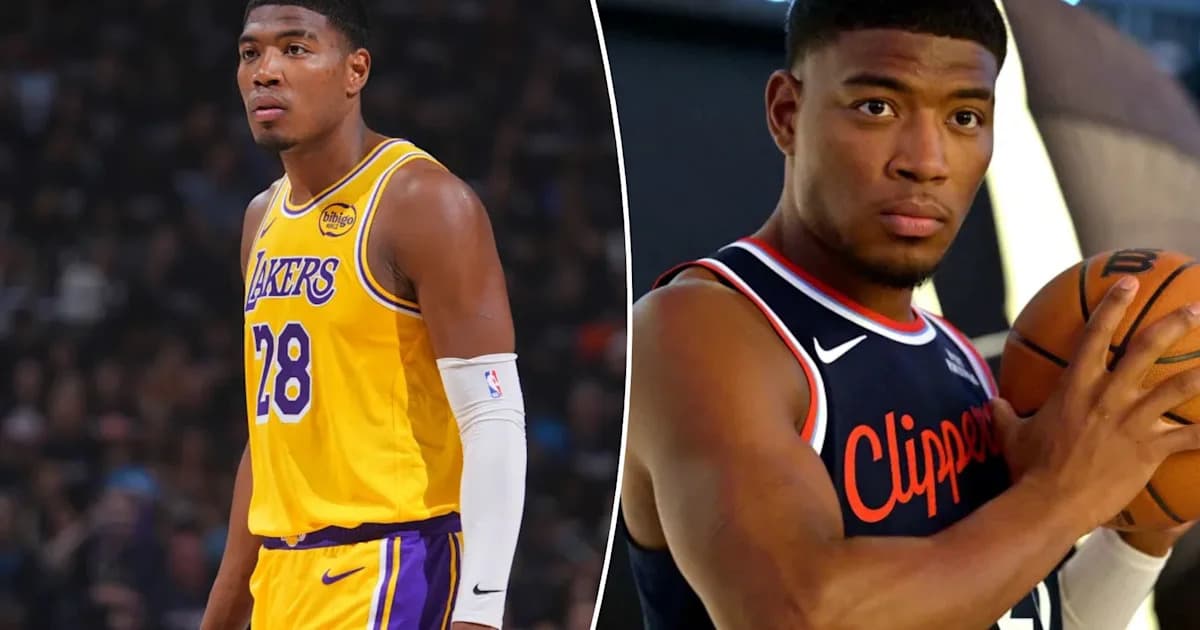
Against Croatia, England played like a side convinced they can simply outscore whoever stands in front of them. Harry Kane dictated everything. He buried a 12th‑minute penalty, then struck again before the interval, drifting between the lines, dropping deep, pulling centre-backs into places they didn’t want to go. Jude Bellingham took over after the break, restoring the lead seconds into the second half, before Marcus Rashford came off the bench to slam the door in the 85th minute.
Four goals. Authority. Swagger.
Two conceded. Warning.
Tuchel’s 4-2-3-1 will look familiar. Jordan Pickford in goal, John Stones and Ezri Konsa in central defence, Reece James and youngster Nico O’Reilly as the full-backs. Declan Rice anchors midfield alongside Elliot Anderson, tasked with giving England something they lacked in Dallas: control when the game flips.
Ahead of them, the structure is clear but the choices are sharp. Bellingham is nailed to that No.10 role, the heartbeat and the accelerator. Anthony Gordon and Noni Madueke provide direct width, while Kane leads the line as both finisher and playmaker. Waiting in the wings, Rashford and Bukayo Saka are banging on the door after combining off the bench for England’s fourth against Croatia. Tuchel has options; what he needs is balance.
The key adjustment is obvious. England were sliced open too easily by direct running in behind when their full-backs pushed high. Against Ghana, that’s a risk with teeth. Rice will be told, in no uncertain terms, to lock down the central channels, to sit when others surge, to prevent his centre-backs being dragged into open grass and one‑on‑one races they don’t want.
England’s recent form underlines the split personality. Three wins, one draw, one defeat in their last five – seven scored, two conceded – including a comfortable 3-0 win over Costa Rica and a controlled 1-0 over New Zealand in the build-up. The 1-0 loss to Japan and 1-1 draw with Uruguay showed what happens when the cutting edge blunts and the structure has to carry the load. Tuchel knows which version he needs here.
Ghana’s steel, and the need for speed
Carlos Queiroz arrives with something different: scars from four defeats in five, and the stubborn belief that structure still wins tournaments. Ghana’s recent record is brutal on paper – losses to Mexico, Germany, Austria and South Africa, with only a 1-1 draw against Wales to cling to – but in Toronto his team looked like a classic Queiroz side. Disciplined. Compact. Patient.
They had to be. Panama flew out early, and goalkeeper Lawrence Ati Zigi had to stand tall to keep the game level. The rain didn’t help. Nor did Ghana’s own caution. For long stretches it felt like a stalemate they would have to live with. Then, in the 95th minute, everything snapped into life.
Caleb Yirenkyi, a midfield runner who had worked tirelessly without reward, forced the ball over the line for a dramatic winner. One moment, one surge, and a previously fragile team suddenly had lift-off.
Ghana will line up in their own 4-2-3-1, but their biggest headache sits in goal. Ati Zigi went off at half-time against Panama, and his replacement, Benjamin Asare, picked up a late knock in stoppage time. The medical staff are racing the clock to clear at least one of them to start behind the central pairing of Jerome Opoku and Jonas Adjetey. If there’s a weak link on the team sheet, it may be the one wearing gloves.
Gideon Mensah and Marvin Senaya should keep their places at full-back, tasked with absorbing England’s overlapping threat and then springing into space the moment possession turns. In midfield, Elisha Owusu will marshal the centre alongside Yirenkyi, who keeps his place after his late heroics. Their job is twofold: protect the back four, and then release the front line with pace.
Higher up, Antoine Semenyo will look to build on a Player of the Match display against Panama, buzzing around veteran Jordan Ayew, who leads the line. Kamaldeen Sulemana and Ernest Nuamah stretch the game from wide areas, while Brandon Thomas-Asante, whose late assist in Toronto proved decisive, is pushing hard for a start as a more direct, vertical option.
Queiroz will not rip up the defensive blueprint that earned a clean sheet in Canada. But he knows Ghana cannot afford to be passive against England. Slow, sideways passing in the middle third would be an invitation for Bellingham and Kane to camp in their half. The message is clear: when Ghana win the ball, they must go forward, fast. Vertical passes through England’s first counter-press. Explosive switches into the space vacated by James and O’Reilly. If they hesitate, they’ll be pinned back.
Kane vs Opoku: the axis of the night
Some games revolve around one duel. This feels like one of them.
Harry Kane arrives in Foxborough already in full tournament stride. Two goals on Matchday 1, total command of the attacking third, and that familiar ability to appear wherever the game needs him. Drop deep to knit play. Pull wide to drag markers. Arrive late in the box to finish.
Jerome Opoku stands in his way. Against Panama, the Ghana centre-back marshalled a tight block, clearing danger and holding the line with authority. This is a different examination. Kane will test his positioning, his concentration, his communication. Lose Kane for a second and the ball is already on its way to goal.
Opoku cannot win this alone. He’ll need Owusu and Yirenkyi screening in front, full-backs tucked in at the right moments, and a goalkeeper – whichever one starts – prepared to command the area. But if he can keep Kane from turning in the final third, if he can force England’s captain to play with his back to goal, Ghana’s chances grow.
Bellingham vs Yirenkyi: the battle for the middle third
If Kane versus Opoku is the headline, Jude Bellingham against Caleb Yirenkyi is the story’s rhythm.
Bellingham was magnificent against Croatia. He dictated the tempo, burst between lines, and capped it with a sharp finish to tilt the game back England’s way straight after half-time. He thrives in the pockets – too deep for defenders, too advanced for holding midfielders – and once he turns, he drives at the backline with a mix of power and poise that few can match.
Yirenkyi must ruin that script. His late winner in Toronto grabbed the headlines, but his real work against England will be without the ball. He has to sit in those spaces Bellingham loves, deny him the easy turn, and time his presses on England’s build-up triggers. If he gets it wrong, Ghana will be chasing shadows. If he gets it right, Bellingham’s influence shrinks and Ghana’s counter-attacking lanes open.
Tactical knife-edge
Tuchel does not need to touch the attacking formula that produced four goals in Dallas. The movement around Kane, the rotations between Bellingham and the wingers, the full-backs providing width – it all worked. The risk lies in what happens when England lose the ball.
Against a Queiroz side primed to break at pace, cheap turnovers in midfield are lethal. That’s where Rice and Anderson become non‑negotiable. England’s rest-defence must be set before they attack. One full-back goes, one stays. The centre-backs hold their line. The double pivot closes the middle. If those details slip, Ghana will run.
On the other side, Ghana’s adjustment is all about aggression with the ball. They cannot spend 90 minutes simply surviving. Queiroz has already spoken of a “naive” lack of first-half aggression in the opener. That cannot repeat. When they win possession, especially through Yirenkyi or Owusu, the first thought must be forward. Semenyo between the lines. Sulemana and Nuamah sprinting into the space behind England’s adventurous full-backs. Thomas-Asante, if he starts, offering a direct, punishing outlet.
Group L on the brink
The table gives this fixture its edge. England sit top of Group L on three points with a +2 goal difference after their 4-2 win over Croatia. Ghana are right behind them, also on three, with a +1 from that late 1-0 victory over Panama. Croatia and Panama are stranded on zero.
Win, and England all but book their ticket to the Round of 32. Depending on Croatia vs Panama, they could seal a top-two finish with a game to spare, rolling into their final match with a cushion and the luxury of rotation. Ghana, in that scenario, would be stuck on three points and staring at a high-pressure showdown with Croatia.
Flip it, and the group explodes. A Ghana victory would put the Black Stars on six points and in pole position to win Group L. England would be marooned on three, forced into a must‑not‑fail finale against Panama, where every misplaced pass would feel heavier than the last.
There is a third path. A draw keeps both on four points, still unbeaten, still in control of their own fate – but with no room for complacency. Goal difference would loom large on the final day, with England facing Panama and Ghana up against Croatia, both watching the other match as much as their own.
A rivalry still in its infancy
History offers almost nothing between these two. Just one previous meeting is on record: a 1-1 friendly draw in March 2011. No scars. No long-running subplot.
So the story will be written here, in Foxborough. One team trying to prove its attacking fireworks can carry it deep into the tournament. The other trusting that organisation, timing and one ruthless counter can flip the hierarchy of Group L.
On a tight New England evening, with qualification within reach and no safety net guaranteed, which will hold: England’s firepower, or Ghana’s nerve?