Edu's Nottingham Forest Departure: A Turbulent End to an Ambitious Project
Edu’s Nottingham Forest experiment is over – quietly, abruptly, and a long time after it had effectively ended in all but name.
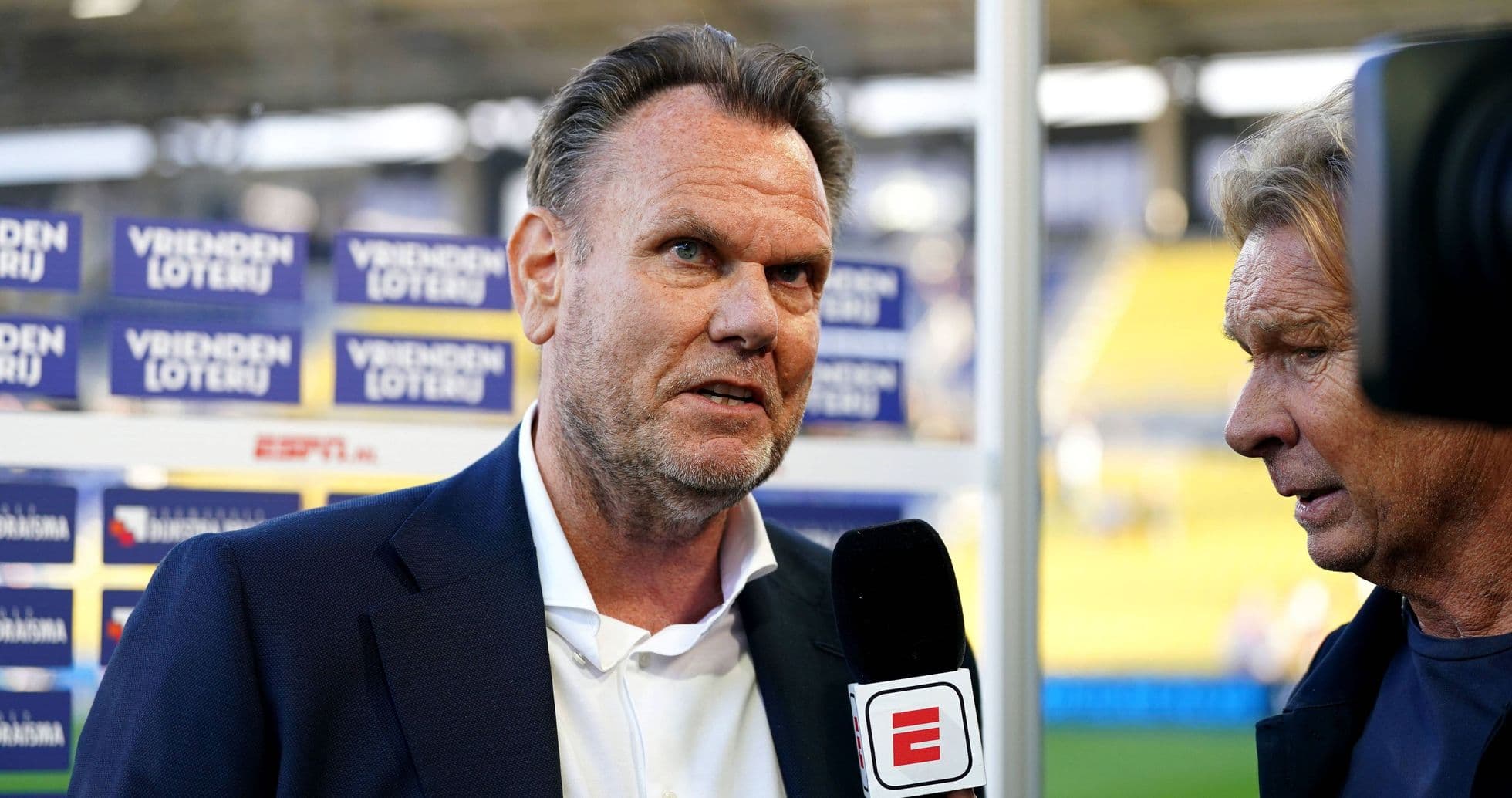
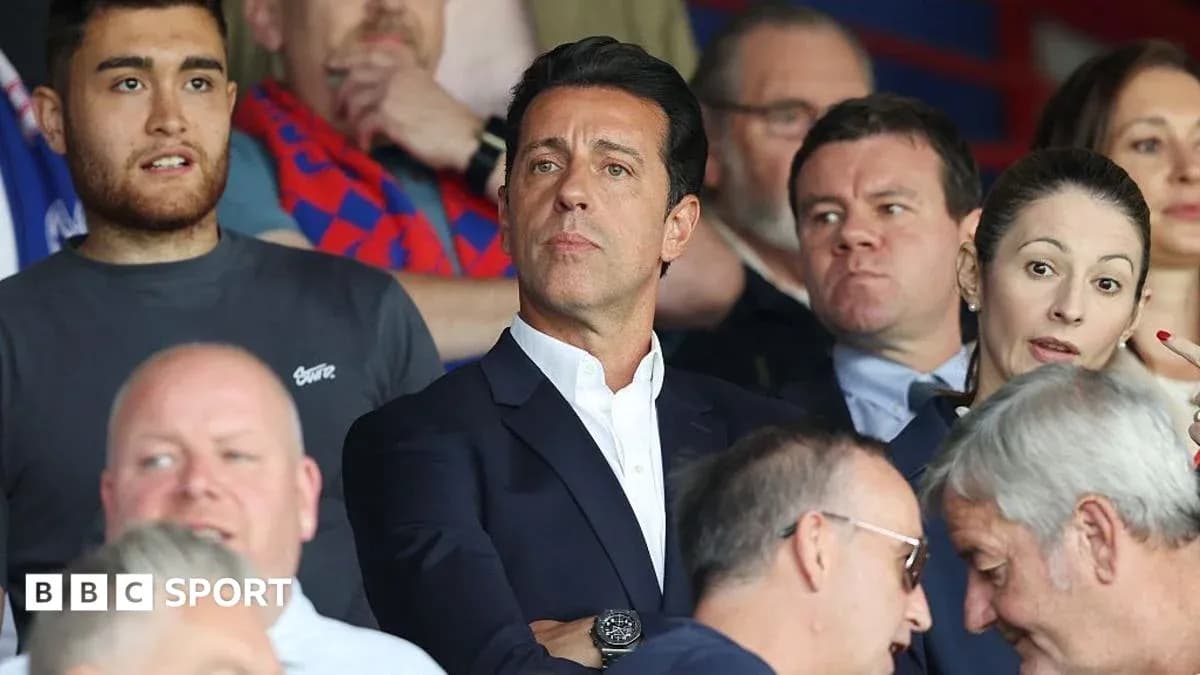
The Brazilian executive has officially left the club just over a year after arriving as global head of football, brought in to front Forest’s ambitious multi-club project. His departure, reported by The Athletic, simply confirms what the City Ground had been living with for months: Edu was out of the picture long before the paperwork caught up.
He has not attended a Forest match since February. He has not set foot in the City Ground or the training ground since early March, when the first reports surfaced that his time in Nottingham was nearing its end. From that point, he was a ghost in the club’s structure.
Forest, though, are not rushing to fill the void with a like-for-like appointment. There will be no formal announcement of his exit and no direct replacement. Chief Football Officer George Syrianos has already stepped into the space, assuming expanded responsibilities once Edu was sidelined. His growing influence also helps cover the gap left by Ross Wilson, who departed for Newcastle United in October last year.
The context to Edu’s exit is brutal. Forest’s season descended from European ambition into survival mode. A campaign that had once flirted with a Champions League push under Nuno Espirito Santo crumbled into a relegation fight, triggered by a breakdown in the relationship between manager and director that ultimately cost Nuno his job.
From there, the dugout became a revolving door.
Ange Postecoglou lasted just 39 days before he was gone. Sean Dyche came in, offered his trademark steel, and was dismissed in February. Vitor Pereira’s stint was brief as well, another short chapter before Forest turned to former Crystal Palace boss Oliver Glasner in search of something they had completely lost: continuity.
The instability on the touchline mirrored the chaos in the transfer market.
Edu’s recruitment at Forest drew heavy criticism from supporters and pundits alike. The club spent serious money, backed strongly from above, but the return was meagre. High-profile signings such as Omari Hutchinson, Douglas Luiz and Oleksandr Zinchenko arrived with reputations and expectations to match. None of them managed to leave a meaningful mark at the City Ground.
For a figure whose executive career had largely been framed as a success story, the contrast was stark.
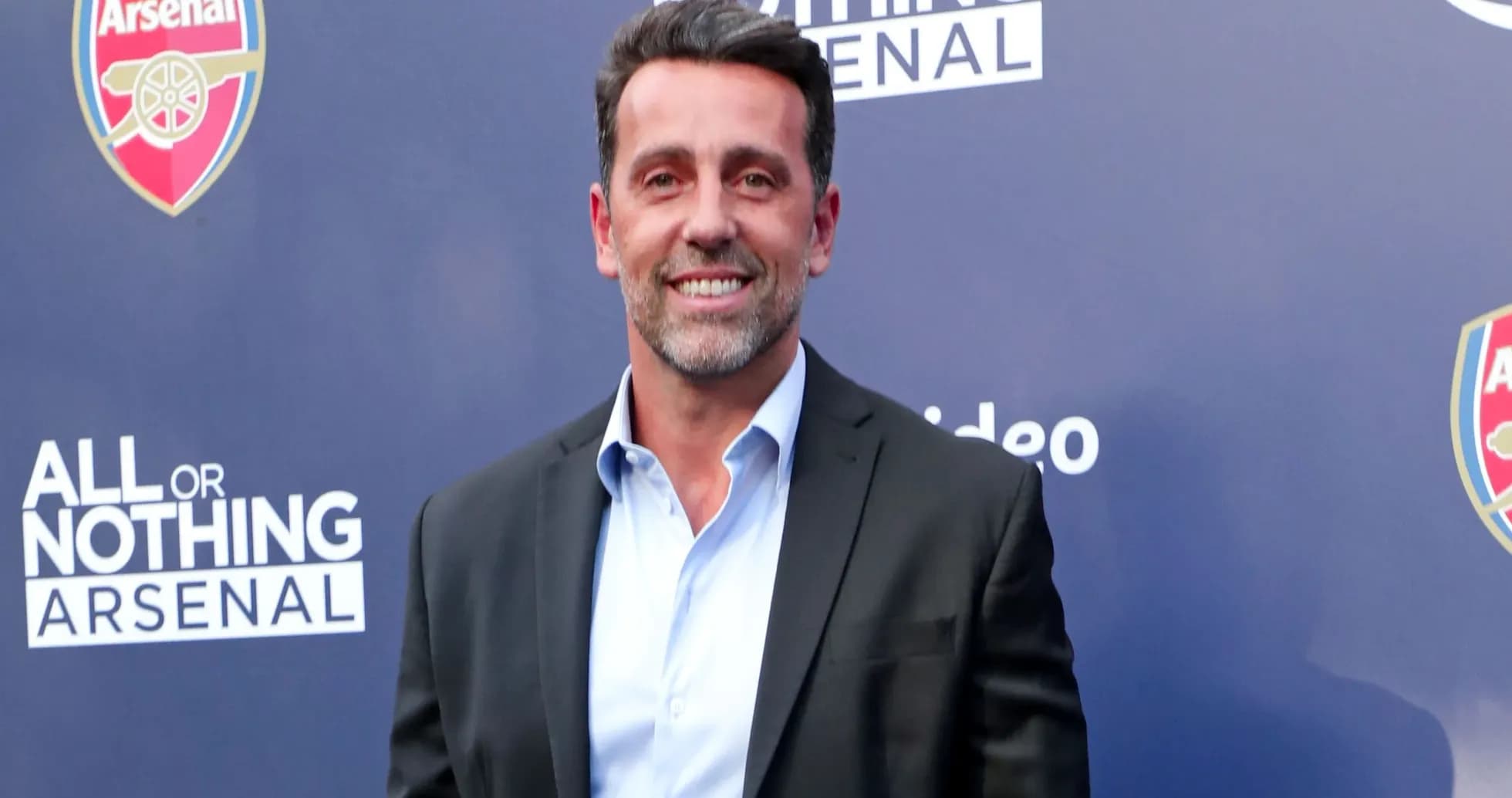
Edu’s reputation had been forged in North London. He joined Arsenal in 2019 as the club’s first technical director and quickly stamped his authority on the football structure, appointing former teammate Mikel Arteta as manager later that year. In November 2022 he was promoted to sporting director, overseeing a rebuild that pushed Arsenal back into title contention, before his unexpected resignation in November 2024.
Before stepping into high-profile European roles, he had already built a substantial administrative CV. Edu spent five years as director of football at Corinthians, had a brief spell advising the Iran national team in 2014, and then served three years as general coordinator for the Brazil national side.
He was not just a boardroom figure, either. As a player, he was part of Arsenal’s iconic 2003-04 ‘Invincibles’ – a squad that went unbeaten through a Premier League season and etched itself into English football history.
That pedigree is what made Forest’s move for him feel bold, even visionary. A proven operator, a modern executive, a winner. The reality turned into something very different: a turbulent spell marked by managerial churn, transfer misfires and, ultimately, a quiet exit.
For Edu, this departure is a clear low point in an otherwise decorated career. For Forest, it is another sharp turn in a project still searching for a stable identity.