Didier Deschamps Reflects on Kylian Mbappé and France's World Cup Journey
Didier Deschamps walked into the interview area with the calm of a man who has seen it all before. Three consecutive World Cup semi-finals with France will do that to a coach. The noise outside grows with every step his team takes, but inside, he keeps the same measured tone, the same hard edge of expectation.
The first question, inevitably, was about Kylian Mbappé.
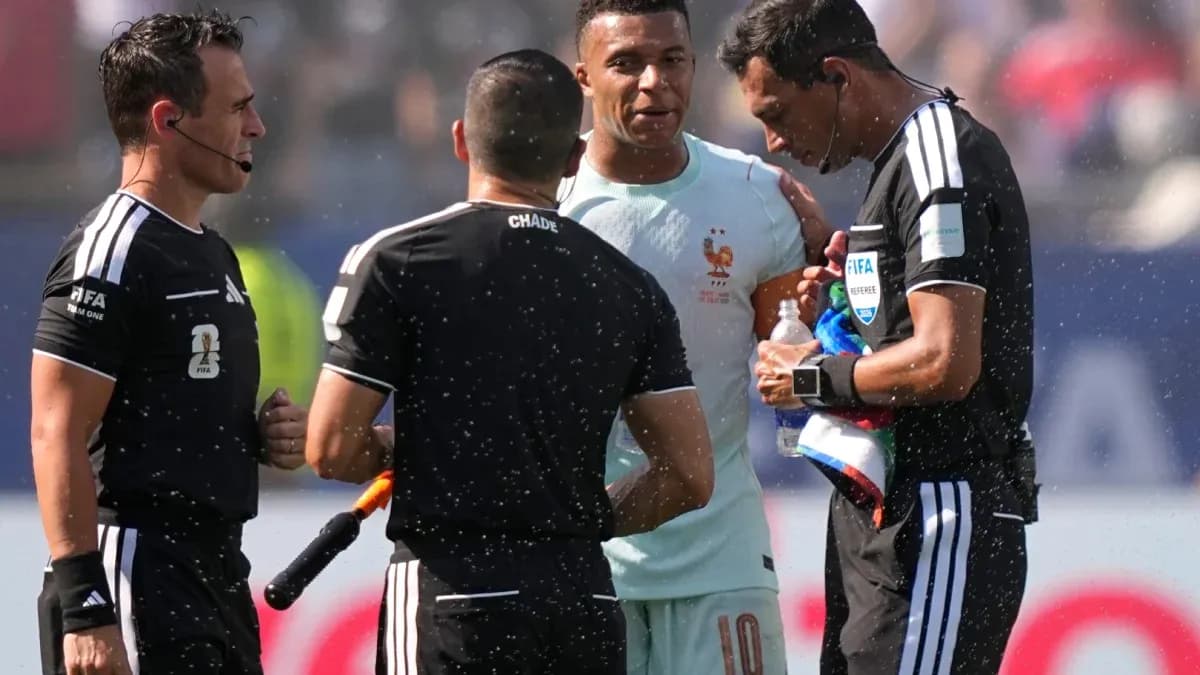
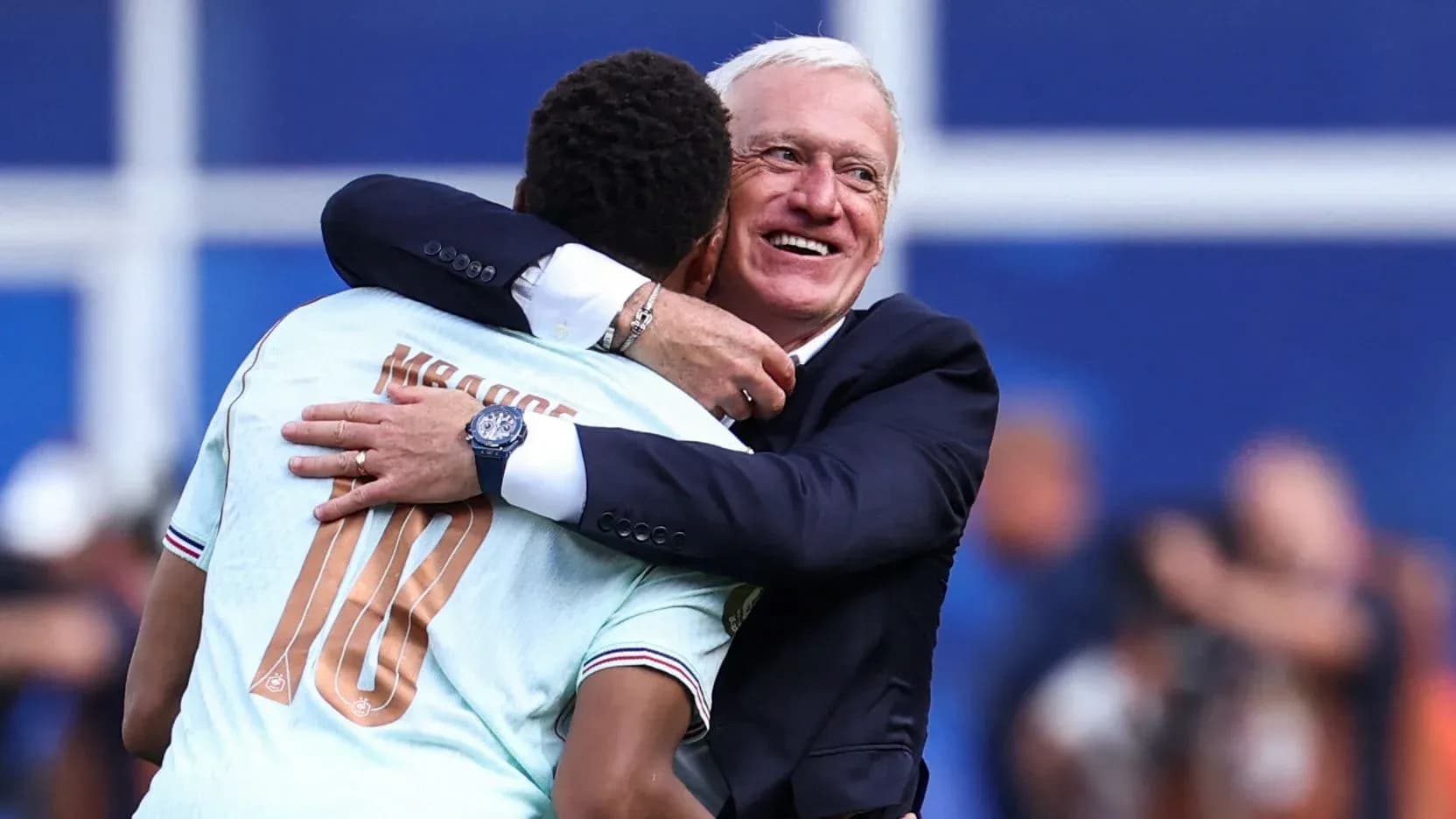
Deschamps did not dodge it. He laid out the situation with the clarity of a manager who knows every detail of his squad’s condition. His captain, the man who has dragged France through so many decisive nights, is not at full tilt.
“Kylian had a slight ankle issue; he was feeling some pain,” Deschamps told M6, confirming what many had suspected from the way Mbappé moved late on. It was not a dramatic injury bulletin, not a crisis, but a reminder that even the brightest star can flicker under the strain of tournament football.
The French coach then turned to the rest of his midfield, where the knocks and substitutions told their own story of a tense, physical contest. “Manu [Kone] took a blow to the knee and had cramps,” he explained, a detail that underlined just how much ground his players had covered. The match had stretched them, physically and mentally.
The response from the bench, though, pleased him more than anything.
Warren Zaïre-Emery came on and instantly changed the rhythm. Deschamps’ praise was sharp and specific: “Warren made a very, very good impact when he came on, so that’s great.” No embellishment needed. In a game where France had missed a penalty and squandered chances, his introduction brought fresh energy and composure in the middle of the park.
This is where Deschamps’ France often separates itself from the rest: not just in the quality of the starting XI, but in the readiness of those waiting in the shadows. “Everyone needs to feel ready,” he said. “And those who aren't playing are still fully behind the rest of the group.” It was both a message and a warning. In this squad, there are no passengers. You either push, or you get left behind.
Once the injury concerns were addressed, the bigger picture came into focus.
Three straight World Cup semi-finals. For most nations, it would be a golden age. For Deschamps, it sounded almost like the fulfilment of a plan rather than a miracle.
“I think three consecutive semi-finals is already good, but it seems logical and natural. I have great players. It’s good,” he said.
Logical. Natural. Words that would sound arrogant from almost anyone else. From Deschamps, they felt like the cold assessment of a man who has built a machine designed for precisely this stage of tournaments.
Yet this latest step was anything but straightforward. “It was complicated today,” he admitted. The missed penalty, the spurned opportunities, the tension that crept into the stadium with every wasted chance – all of it dragged France into a game that should have been killed off earlier. “Missing the penalty and the chances we didn’t convert makes things difficult,” Deschamps said, and he was right. On another night, those moments might have haunted them.
Not this time. Mbappé, ankle pain and all, found his answer. “Kylian reacted well and scored,” the coach noted, almost underplaying the significance. That is the standard now. Even when he stumbles, Mbappé is expected to rise and decide games.
“We are exactly where we wanted to be,” Deschamps continued. No wild celebrations, no sense of overachievement. This is the terrain France planned to occupy from the moment they landed at this World Cup: deep into the knockout rounds, staring down the giants of Europe and the world.
Now comes the wait. “We are going to recover well and watch our next opponent [on Friday, either Spain or Belgium],” he said. One of those two will stand between France and yet another final. Both bring their own dangers, their own stories. Deschamps knows them well. He also knows his team rarely blinks on these occasions.
Beyond the tactical detail and the medical updates, there was something else in his words: an awareness of what all this means back home. Reaching the final four for the third tournament in a row is not just a statistic; it is a national event.
“That’s the beauty of sport and football: we create emotions and we share them,” the former defensive midfielder reflected. While his squad lives inside what he called “our own bubble,” he understands exactly what is happening outside it – the packed fan zones, the late-night gatherings, the children staying up past bedtime to watch Mbappé and company write another chapter.
“I imagine there is a lot of passion back in France, even if we are inside our own bubble here,” he said. Passion, expectation, pressure – they all roll into one at this stage.
Deschamps framed the semi-final not as a destination, but as a duty. “The players have a duty to do everything they can to go as far as possible. This is an important step, and we are in the final four once again.” No talk of satisfaction. No suggestion that history alone is enough.
For France, under Deschamps, the semi-final is no longer the dream. It is the standard. The real question now is whether this group, bruised but unbowed, can turn that standard into another star.