David Moyes Reflects on Everton's Disappointing Transfer Window
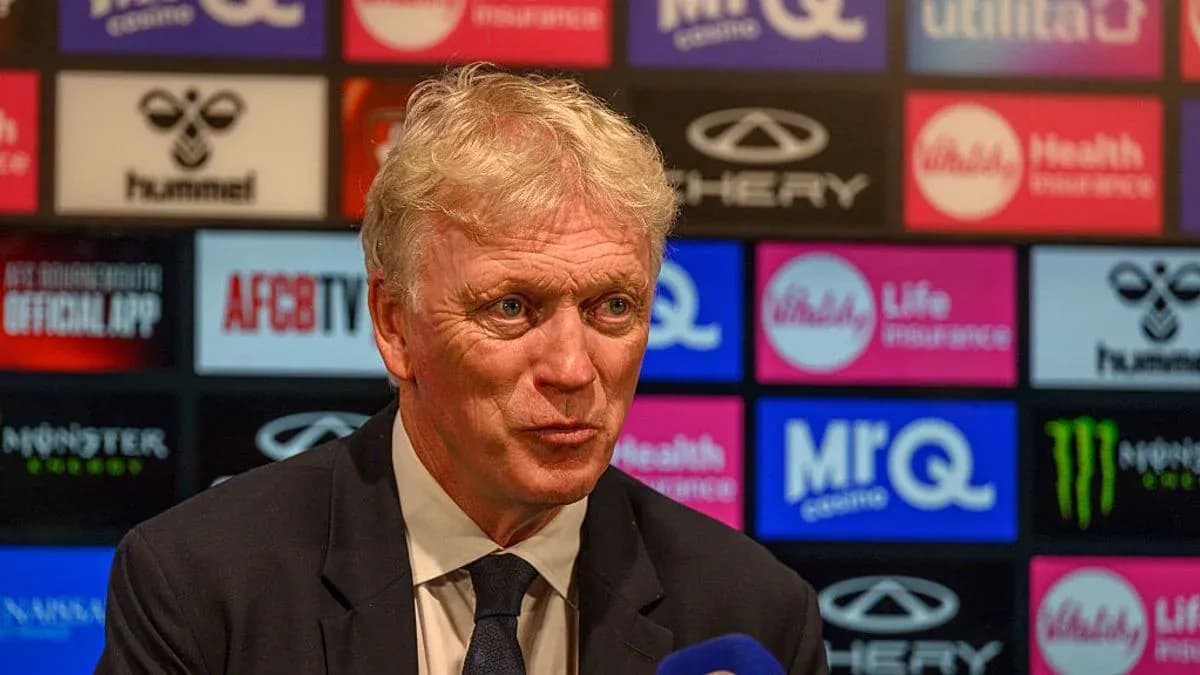
David Moyes wore the look of a manager who had spent deadline day chasing shadows. By the time the window slammed shut, Everton had lost their talisman, seen a marquee striker walk away after a medical, and watched several targets slip through their fingers.
He knows exactly what that means.
“I am disappointed that we didn't do more business and things didn't go our way in the end,” he admitted. “Sometimes in football you have to live with disappointments and move on, and we will.”
Balogun deal unravels late
The biggest frustration came with Folarin Balogun.
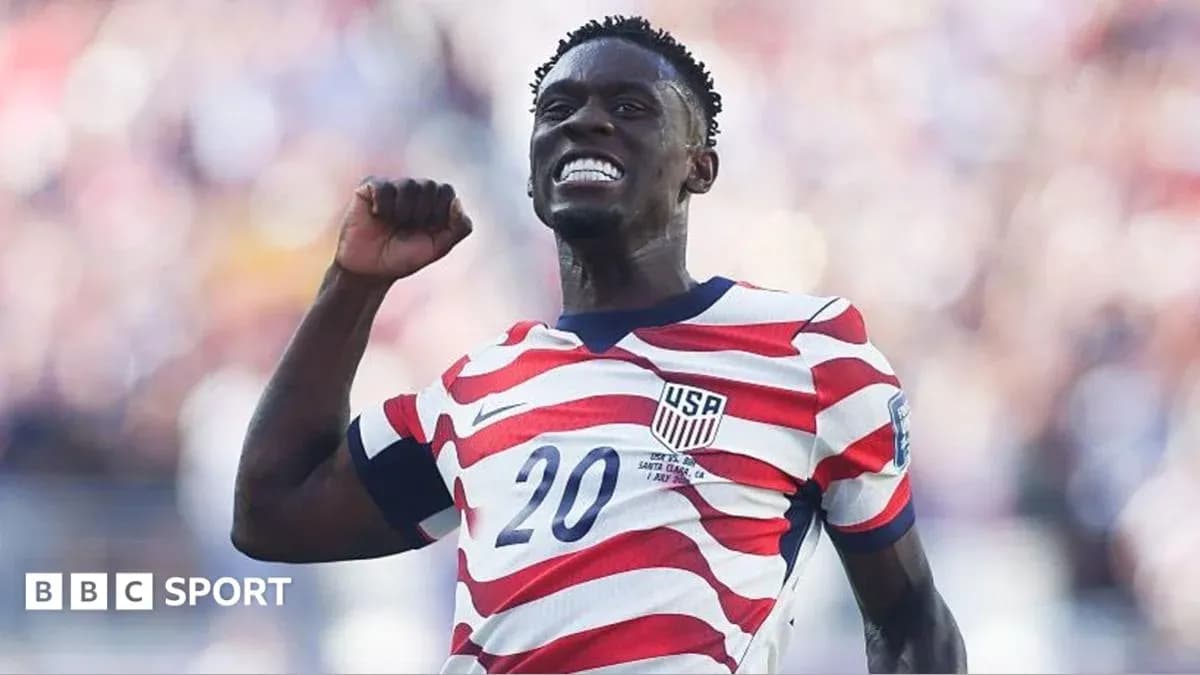
Everton thought they had their man. A £40m fee was agreed with Monaco, the 25-year-old United States international completed his medical at Finch Farm, and both clubs even signed a deal sheet before the 23:00 BST deadline to buy extra time to finalise the transfer.
Then it collapsed.
Issues flagged during the medical forced Everton and Monaco back to the table to renegotiate the structure of the deal. As talks dragged on, Balogun changed his mind. With the paperwork ready and the window effectively closed, the striker walked away.
“It wasn't anyone's fault and ultimately it happens in football as the player had a problem in his medical and that was simply it,” Moyes said. “There are no other stories behind it. That is exactly what happened.”
For a club that had identified Balogun as a late solution in attack, the twist cut deep.
Ndiaye sold to fund rebuild
The pursuit of Balogun only began after Beto left for Fiorentina, the Guinea-Bissau striker sealing a permanent move to Serie A. That departure, though, was overshadowed by the one Everton never really wanted to make.
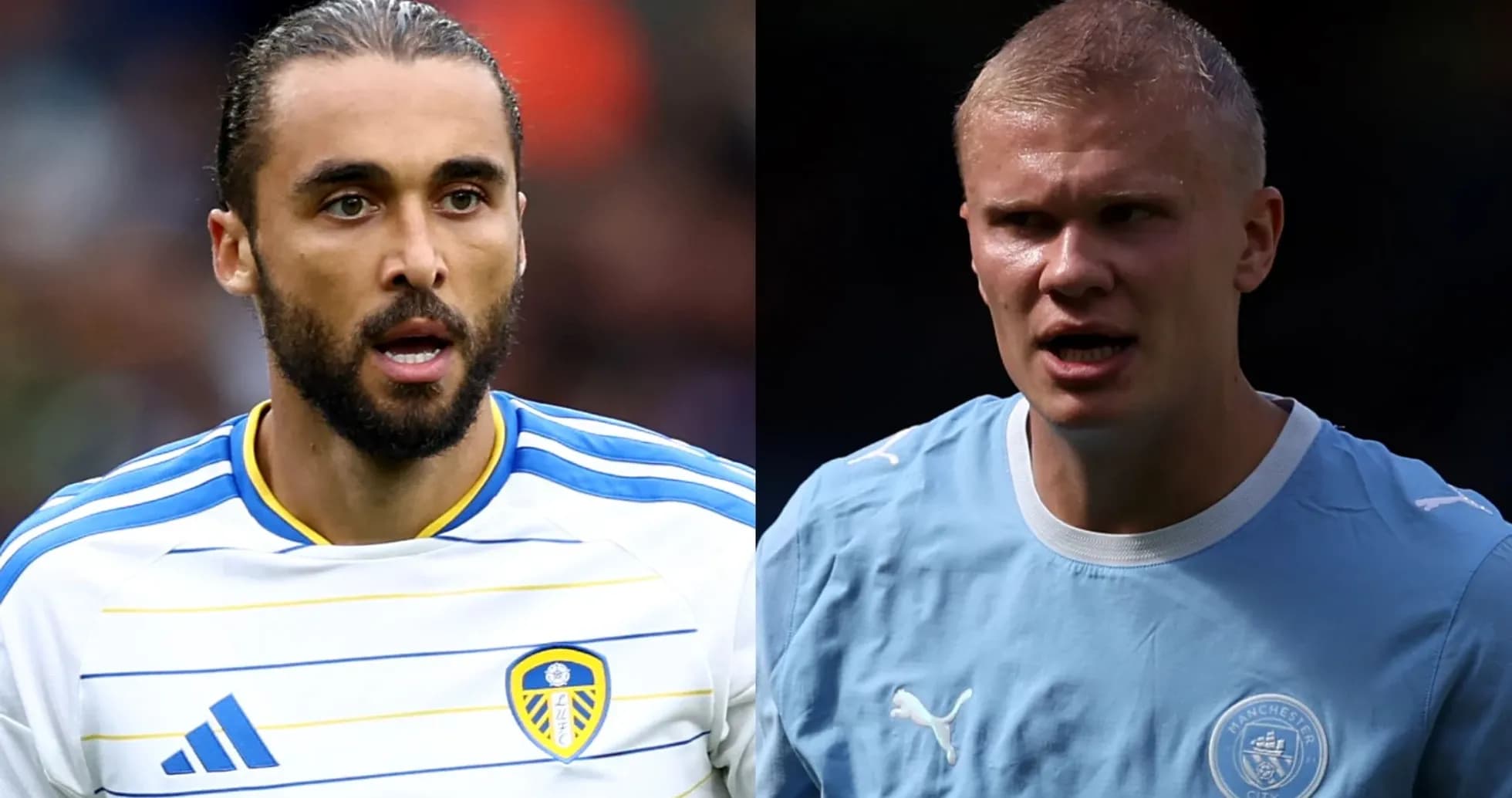
Iliman Ndiaye, one of the club’s standout attackers, joined Manchester City in a £65m deal. The 24-year-old had produced 15 goals and four assists in 67 Premier League appearances for the Toffees and had become central to their attacking identity.
Moyes was blunt about the logic behind the sale.
“We were looking to get some money in,” he said. “We lost Iliman Ndiaye, which is someone who we definitely didn't want to lose, but sometimes it is difficult when the likes of Man City come along.”
The plan was clear: sacrifice a star to reshape the squad. The reality was harsher. The money came in, but the deals Everton wanted most never landed.
Missed forwards, mixed returns
Balogun was not the only forward who slipped away. Everton sounded out Manchester United’s Joshua Zirkzee and Aston Villa’s Tammy Abraham, hoping to tempt at least one to Goodison Park. Neither could be convinced.
The club did manage one eye-catching attacking arrival, securing Jack Grealish on a season-long loan from Manchester City. On paper, it is a major coup, a player of proven Premier League quality stepping into a side that has just lost its main creative spark.
But Grealish’s arrival came on the same day Ndiaye walked out the door. The sense of gain was immediately tempered by the scale of the loss.
At the back, the picture was just as mixed. Everton tried to bring in Kenny Tete from Fulham, only for that deal to fall apart when Fulham failed to line up a replacement. The right-back slot did not go unfilled, though: Ainsley Maitland-Niles arrived from Lyon in a £3m move, offering versatility and experience.
Regrets and reality for Moyes
As Moyes surveyed the final state of his squad, there was no attempt to sugar-coat the window.
“Some things went against us and some things we could have done better,” he said. “Ultimately we didn't want to lose a lot of the different players but for reasons that had to happen.”
Everton enter the next phase of the season with a reshaped, but not fully rebuilt, squad: Ndiaye gone, Beto gone, Balogun and others never arriving, Grealish and Maitland-Niles through the door.
Moyes insists he will “move on”. The question now is whether this squad, shaped as much by missed opportunities as by completed deals, can do the same.