Controversial Goal Defines Morocco's Match Against France
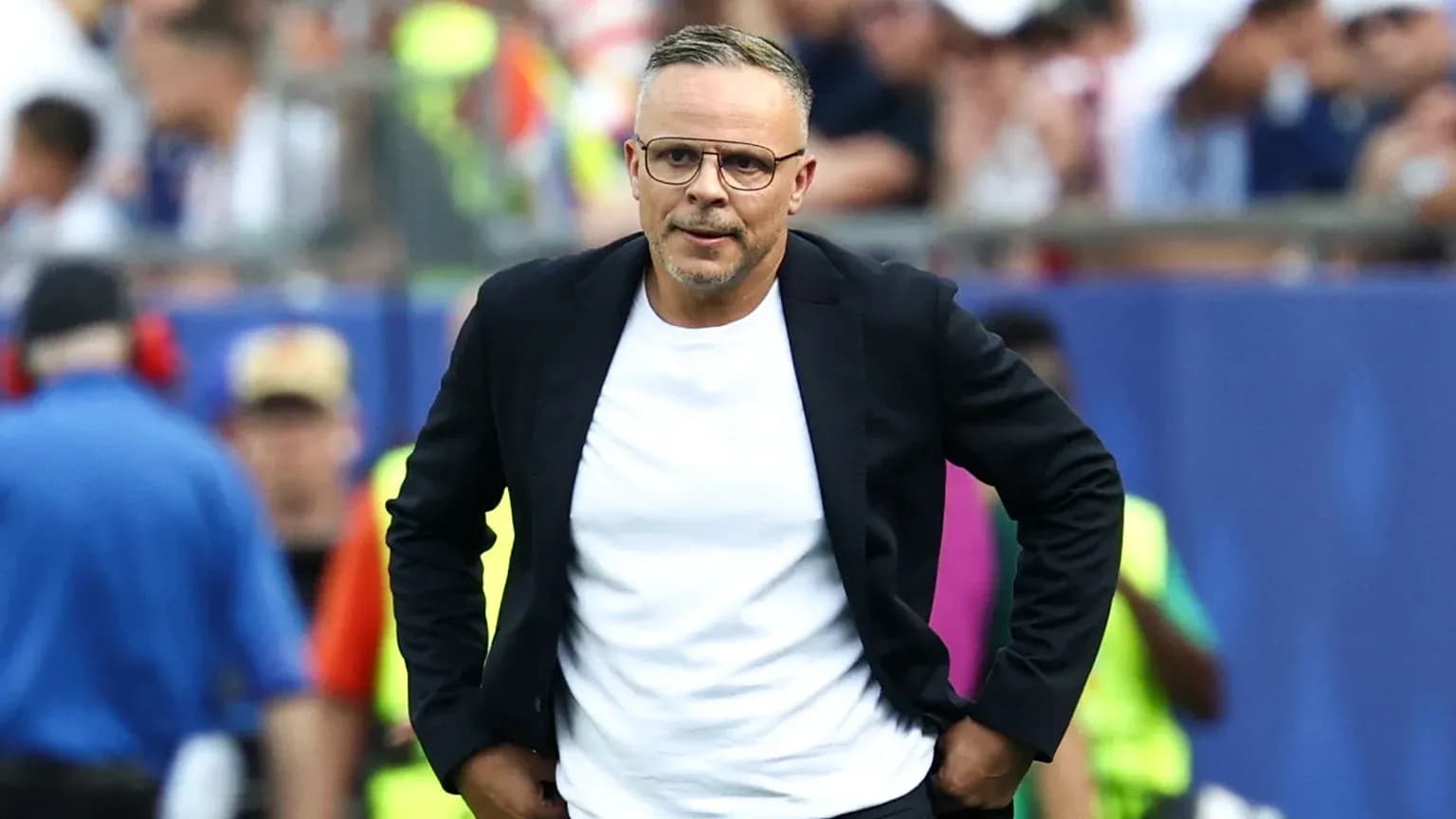
Walid Regragui’s side had just come through an exhausting, emotional contest when the flashpoint arrived. One decision, one touch, and France were in front. For Moroccan coach Ouahbi, the moment that opened the scoring should never have stood.
The controversy centred on Adrien Rabiot. As the ball ricocheted around the box, Ouahbi was adamant the French midfielder had handled it before Kylian Mbappé pounced and lashed his finish beyond Yassine Bounou. The Moroccan bench erupted; the referee, Facundo Tello, stood firm.
Speaking to beIN Sports afterwards, Ouahbi cut a frustrated figure. The phase, he argued, had changed the rhythm of the match.
“The goal came from a bit of a… shared ball, some people stopped because they saw a handball. It was a handball, I don’t know if it should have been called or not, I don’t know,” he said, underlining the sense of injustice that rippled through his team as France celebrated.
The anger, though, never tipped into bitterness. Once he had made his point about the decision, Ouahbi pivoted quickly to what he had seen over the 90 minutes: a high-class opponent, a punishing first half, and a Moroccan side that grew into the game.
“We have to admit that we played against a very good team,” the 49-year-old admitted. Morocco spent long spells chasing shadows before the break, pinned back and stretched. They survived, in large part, because of Bounou. The goalkeeper guessed right on the penalty and produced a superb save that kept his team alive when the pressure threatened to overwhelm them.
That stop became a turning point. Morocco emerged after half-time with more control, more personality on the ball, and the belief that they could still tilt the match back their way.
“In the second half, we defended better and, above all, we were more composed with the ball. We were much better,” Ouahbi reflected. The transformation was obvious. Passes started to stick, lines of pressure were broken, and those who had looked heavy-legged before the interval suddenly found new energy.
“In the first half, it seemed like some players were catching their breath. We saw that these same players started the second half well,” he said, highlighting the response from a group that refused to fold.
The closing stages were brutal. Tired legs, tight margins, and the constant threat of France breaking away. Morocco pushed, France resisted, and the clock became the enemy. When the final whistle came, the disappointment was raw.
“It was tough at the end, but I believe we must continue to believe, to work,” Ouahbi insisted. The message was clear: this was not a night for excuses, but for lessons. He spoke openly about depth, about the need to build a squad robust enough to absorb injuries and fatigue without losing intensity.
“We must also continue to work on the basics, ensuring that when there are injuries, players who are less fresh, we can have a larger pool of players. We will continue, we will not stop here. We are very disappointed, we wanted more, but we have to accept it.”
A disputed goal may linger in the memory, replayed and argued over, but Ouahbi’s gaze is already fixed on something else: turning this frustration into a foundation for the next step.