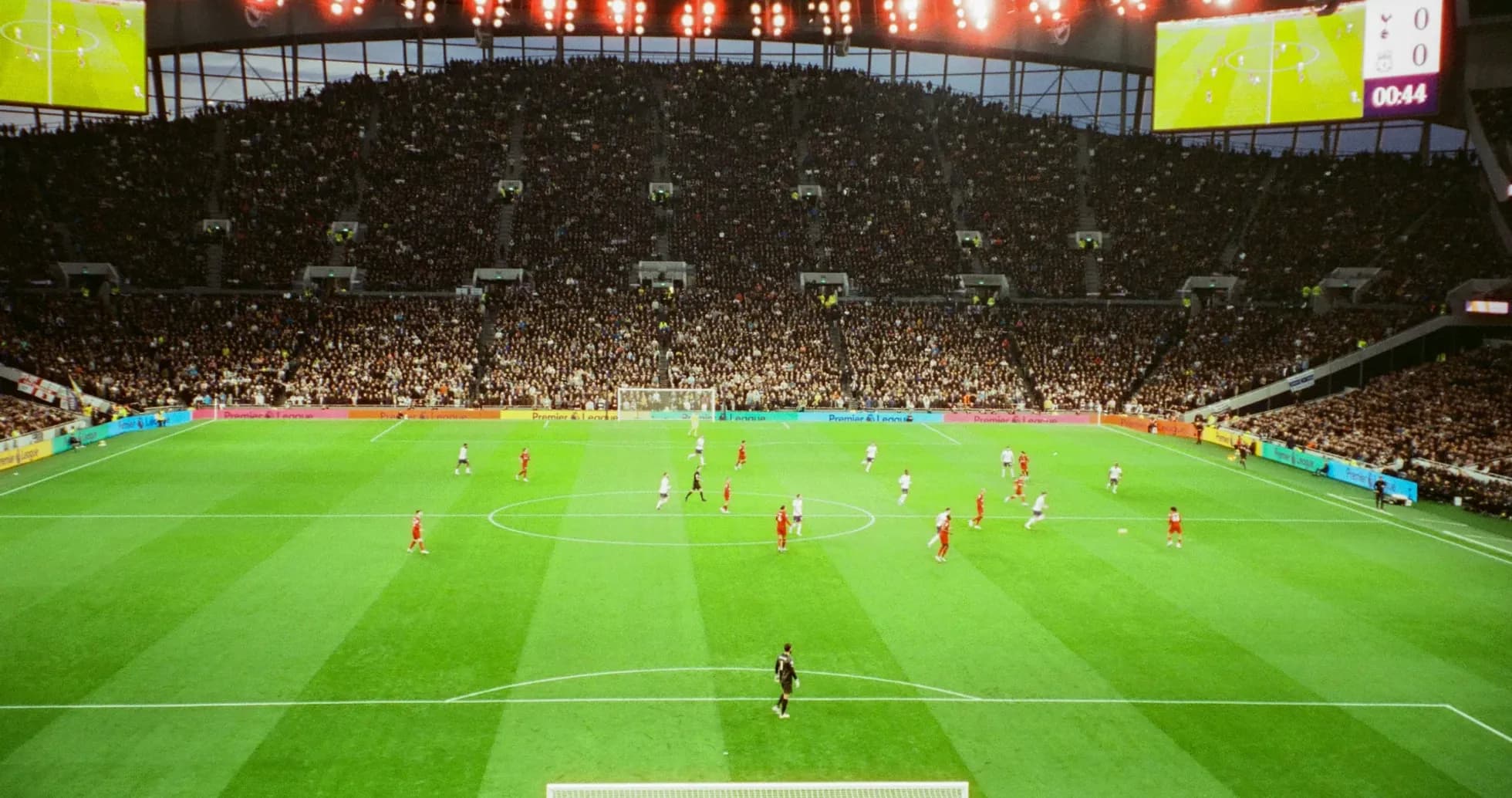
Connecticut FC Falls to Toronto II: A Tactical Analysis
Morrone Stadium emptied into the Connecticut night with a familiar feeling for the home side: another lesson in MLS Next Pro efficiency delivered by a more ruthless visitor. Connecticut FC’s 2-0 defeat to Toronto II, sealed in regulation over 90 minutes, was not just a scoreline; it was a tactical confirmation of where these two squads currently live in the Eastern landscape.
Heading into this game, the table already told a stark story. Connecticut sat 8th in the Northeast Division and 14th in the Eastern Conference with 8 points from 9 matches, their overall goal difference at -7 after scoring 10 and conceding 17. On their travels, Toronto II were a volatile but more productive outfit, 5th in the Northeast and 10th in the conference with 14 points from 10 games, overall goal difference a slender +1 (16 goals for, 15 against). The match finished as those trajectories suggested: Toronto II, flawed but proactive, found a way; Connecticut, brittle and blunt, did not.
I. The Big Picture: Identities Under the Lights
Connecticut’s seasonal DNA is that of a team constantly on the edge of collapse. Overall they average 1.2 goals for and 1.9 goals against per game. At home, that profile becomes even harsher: just 0.8 goals scored on average, with 1.8 conceded. One clean sheet at home, and only one match at Morrone where they failed to score – but when they do score, it rarely feels like enough.
Toronto II arrive as a high-variance, front-foot side. Overall they average 1.6 goals for and 1.7 against, with a notably balanced away profile: 1.5 goals scored and 1.7 conceded on their travels. They have three clean sheets in total, two of them away, suggesting that when their structure holds, it can be impressively compact.
The 2-0 away win therefore fits the pattern: Toronto II hitting roughly their away scoring norm, Connecticut FC once again failing to reach even their modest home attacking average.
II. Tactical Voids: Discipline, Nerves, and the Missing Edge
With no explicit injury or absentee list provided, both coaches essentially had full decks, but the voids were more conceptual than personnel-based.
For Connecticut, the biggest absence was control. Their card profile this season is a warning label. Yellow cards spike late: 25.93% of their cautions arrive between 76-90 minutes, with another 22.22% between 31-45. They even carry a red-card flashpoint in that 76-90 window, where 100.00% of their reds have appeared. This is a team that frays as the match stretches, and any late push they attempt is constantly threatened by their own indiscipline.
Toronto II, by contrast, distribute their yellows more evenly, but still show a pronounced emotional peak just before half-time: 27.78% of their yellows arrive between 31-45 minutes, and 22.22% between 46-60. They are aggressive around transitions either side of the break, but crucially, they have no red cards recorded in any time band. They play on the edge without stepping over it.
In a tight away fixture, that difference matters. Connecticut’s late-game volatility undermines any comeback script; Toronto II can foul, press, and disrupt without losing a man.
III. Key Matchups: Hunters and Shields in a System Battle
Even without individual scoring data, the lineups reveal the structural battles that shaped the evening.
For Toronto II, the spine built around Z. Nakhly, R. Fisher, M. Chisholm, and B. Boneau formed a pragmatic away block. Nakhly, wearing 80, anchors a back line that has already proven capable of shutting games down on the road, with two away clean sheets in the campaign. Around him, players like R. Campbell-Dennis and E. Omoregbe give Toronto the athleticism to defend wide spaces and then spring forward.
Ahead of them, T. Fortier and D. Dixon embody Toronto II’s risk-reward identity. Overall, Toronto’s biggest away win this season is 0-5, but they have also suffered a 5-0 defeat on their travels. When Fortier and Dixon find the right balance between pressing and possession, Toronto become that 0-5 side; when they overcommit, they drift toward the 5-0 version. At Morrone, the 2-0 suggests a controlled, disciplined version of their attacking game.
Connecticut’s “engine room” is built around S. Sserwadda and E. Gomez, with R. Mora-Arias and I. Kasule providing running lanes and secondary creativity. On paper, this quartet should help lift a home side averaging only 0.8 goals at Morrone. Yet the season-long evidence – and this result – suggests they struggle to translate possession into penetration.
Up front, A. Monis and L. Goddard are tasked with turning half-chances into goals in a system that rarely creates in volume. Connecticut’s biggest home win is only 1-0, and their most painful home defeat is 1-3. They tend to live in narrow margins, and when those margins tilt away from them, they lack the firepower to respond.
Defensively, G. Rankenburg and the back line of R. Van Hees, J. Stephenson, L. Kamrath, and A. Applewhaite again lived out the season’s story: Connecticut concede 1.8 goals at home on average, and Toronto II’s two goals slotted neatly into that expectation. Without a robust block in front of them, the back four are constantly exposed to waves rather than isolated threats.
IV. Statistical Prognosis: xG Shadows and Future Paths
We lack explicit xG numbers, but the patterns are unmistakable. Heading into this game, Toronto II’s overall scoring rate of 1.6 goals per match, combined with Connecticut’s 1.9 goals conceded, points toward a matchup where the away side would generate the clearer chances. Meanwhile, Connecticut’s modest 1.2 goals for overall, colliding with Toronto’s 1.7 conceded, suggested they would need to overperform their finishing to stay level.
The 2-0 final can be read as an xG-aligned outcome: the more proactive, higher-scoring side exploited a defensively fragile host that rarely rises above its attacking baseline. Toronto II’s ability to keep a clean sheet away from home for the third time overall underlines their ceiling; Connecticut’s failure to score for the second time at home or away this season highlights their floor.
Following this result, the tactical verdict is clear. Toronto II, with their aggressive but increasingly controlled identity, look like a mid-table side with the tools to punch upward. Connecticut FC, locked into late-game card spikes, soft home defending, and low attacking output, resemble a team still searching for a stable platform. Until the spine of Rankenburg, Sserwadda, Gomez, and Monis can convert effort into structure and structure into chances, nights like this at Morrone Stadium will continue to feel less like isolated setbacks and more like the logical next chapter of a difficult campaign.