Connecticut FC Triumphs in Tense Shootout Against New England II
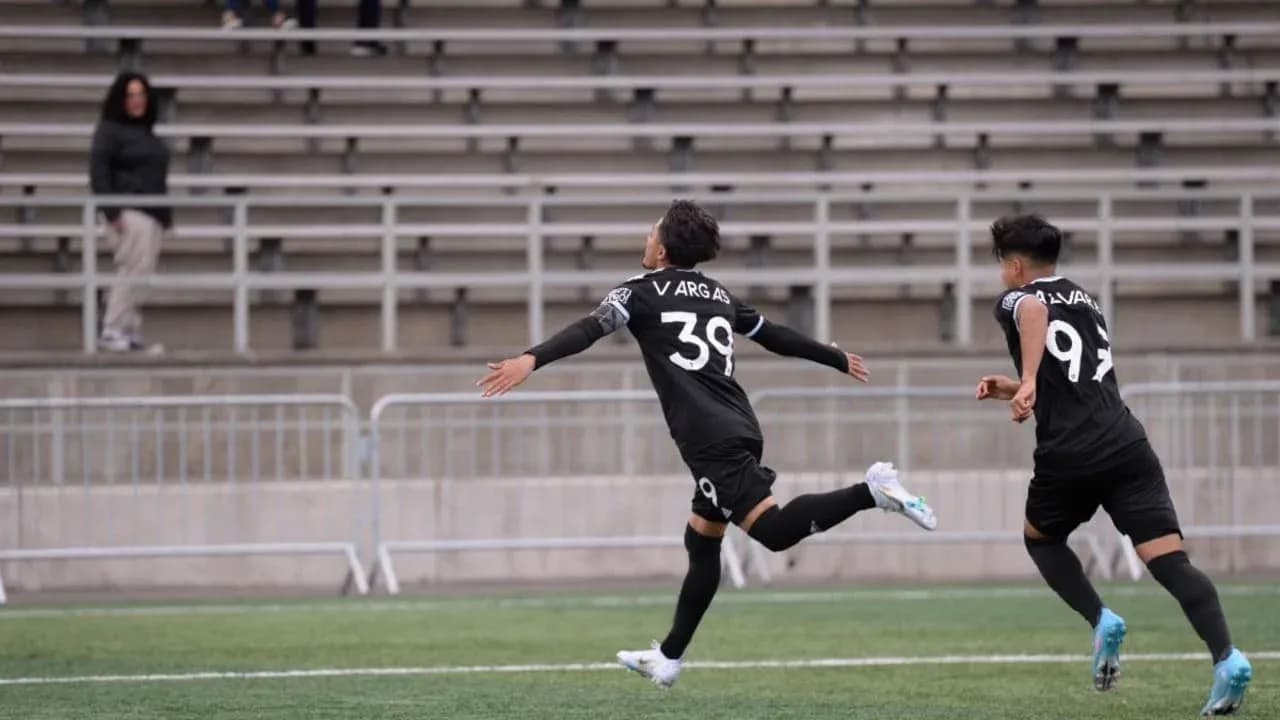
Under the lights at Morrone Stadium, Connecticut FC and New England II pushed each other to the edge and beyond, needing 120 minutes and a penalty shootout to separate two very different footballing identities. Following this result, Connecticut survived 6-5 on spot-kicks after a 0-0 stalemate through regular and extra time, a scoreline that belied the tactical tension running through a clash of contrasting seasonal profiles.
Connecticut FC's Season Profile
Heading into this game, Connecticut FC were a paradox. In the Eastern Conference table they sat 12th with 8 points from 8 matches, and in the Northeast Division they were 6th with the same tally. Their overall goal difference of -5 came from 11 goals scored and 16 conceded in all league play, while the league-wide stats snapshot showed 11 scored and 15 conceded, underlining a side that lives on fine margins but too often slips the wrong way. At home, they had played 3 league fixtures, winning 1 and losing 2, scoring 3 and conceding 5; on their travels, 5 games had produced 2 wins and 3 defeats, with 8 goals for and 10 against. This is not a dominant outfit, but one that survives on moments, not control.
New England II's Season Profile
New England II arrived with a more stable league platform. In the Eastern Conference they were 9th with 11 points from 7 matches, and 5th in the Northeast Division, carrying a goal difference of 1 from 9 goals scored and 8 conceded overall, with the broader seasonal stats marking 9 for and 7 against. At home, they had been strong: 5 matches, 4 wins, 1 defeat, 8 goals scored and only 4 conceded. Away, the picture was starkly different: 2 games, 2 losses, 1 goal scored and 3 conceded. This was a team that knew who it was at home but still felt its way through the dark on its travels.
Lineups Reflection
The lineups reflected these identities. Connecticut’s XI, with G. Rankenburg in goal, leaned on a spine of resilience and running. The defensive unit of R. Perdomo, L. Kamrath, J. Stephenson and J. Medranda was set up less to dominate territory and more to manage risk, befitting a side whose total goalsAgainst average sat at 1.9 per match overall, including 1.7 at home. In front of them, S. Sserwadda and E. Gomez offered the dual roles of disruptor and connector, while R. Mora-Arias, A. Monis and L. Goddard supported central reference point Caua Paixao.
New England II, under Richie Williams, trusted a more assertive structure. D. Parisian anchored from the back, protected by a defensive line including G. Dahlin, J. Shannon, C. Mbai Assem and S. Mimy. Ahead of them, the likes of J. Mussenden, A. Oyirwoth and C. Zambrano were tasked with linking phases, while M. Wells, J. Da and M. Morgan provided the attacking thrust. This was a group shaped by a defensive record that, heading into this game, showed a total goalsAgainst average of 1.0 per match, and just 0.8 at home, but a more vulnerable 1.5 away.
Tactical Preview
If this were a tactical preview, the “Hunter vs Shield” storyline would have centred on Connecticut’s quietly improving attack against New England II’s compact defensive block. Connecticut’s total goalsFor average of 1.4 per game (1.0 at home, 1.6 on their travels) hinted at a side capable of creating enough to hurt teams, especially when the game stretched. New England II, with a total goalsAgainst average of 1.0, had built their early season on defensive discipline. The twist was their away fragility: 1.5 goals conceded per away game, and no clean sheets on their travels.
Engine Room Battle
The “Engine Room” battle was always going to define the night. For Connecticut, S. Sserwadda’s role as the metronome was critical. He had to screen a back line that, across league play, had only 1 clean sheet in total and conceded heavily in bursts. Behind him, the disciplinary data painted a picture of a side that lives dangerously in the middle and late phases: 25.00% of their yellow cards arriving between 31-45 minutes, 16.67% in both the 46-60 and 61-75 windows, and a late-game surge of 29.17% between 76-90. The single red card on their record came in that same 76-90 stretch, a sign of emotional and physical strain as matches close.
New England II’s midfield, with players like G. Dahlin and C. Zambrano, operates on a different frequency. Their yellow-card distribution is more evenly spread but spikes in the heart of the second half: 26.32% between 46-60 minutes, followed by 21.05% in both the 61-75 and 76-90 windows, and 15.79% in the 91-105 period. This suggested a team that ramps up aggression as the game wears on, especially when chasing control.
Match Dynamics
Over 120 minutes, those tendencies collided. Connecticut, whose form line of WLWLLLLW hinted at volatility but also a stubborn refusal to fade, leaned into the chaos. Their late-game card spikes matched New England II’s second-half aggression, turning the closing stages and extra time into a war of attrition rather than a technical showcase. With neither side having taken or missed a penalty in league play heading into this fixture—both carried a penalty record of 0 taken, 0 scored, 0 missed—the shootout became a leap into the unknown rather than a continuation of established patterns.
The statistical prognosis before kick-off would have tilted narrowly toward New England II on balance of overall defensive solidity and league position, particularly given their total goalsAgainst of 7 from 7 matches and a goalsFor average of 1.3. Yet Connecticut’s home resilience, their ability to keep at least 1 clean sheet at Morrone Stadium, and New England II’s 0-0-2 away record with only 1 goal scored on their travels, hinted that if the hosts could drag the match deep, the margins would narrow dramatically.
That is precisely how it unfolded. In a game where Expected Goals would likely show two cautious, risk-averse sides probing without overcommitting, the narrative pivoted from open-play quality to psychological endurance. Following this result, Connecticut FC emerge not as a transformed attacking force, but as a group that has proved they can live with a defensively disciplined opponent for 120 minutes and hold their nerve from the spot. New England II, for all their structural strength, leave Morrone Stadium with a familiar question: how does a side so sure of itself at home translate that authority onto their travels when the game slows, the margins tighten, and the shootout beckons?