Colorado Rapids II vs Austin II: A Clash of Seasons
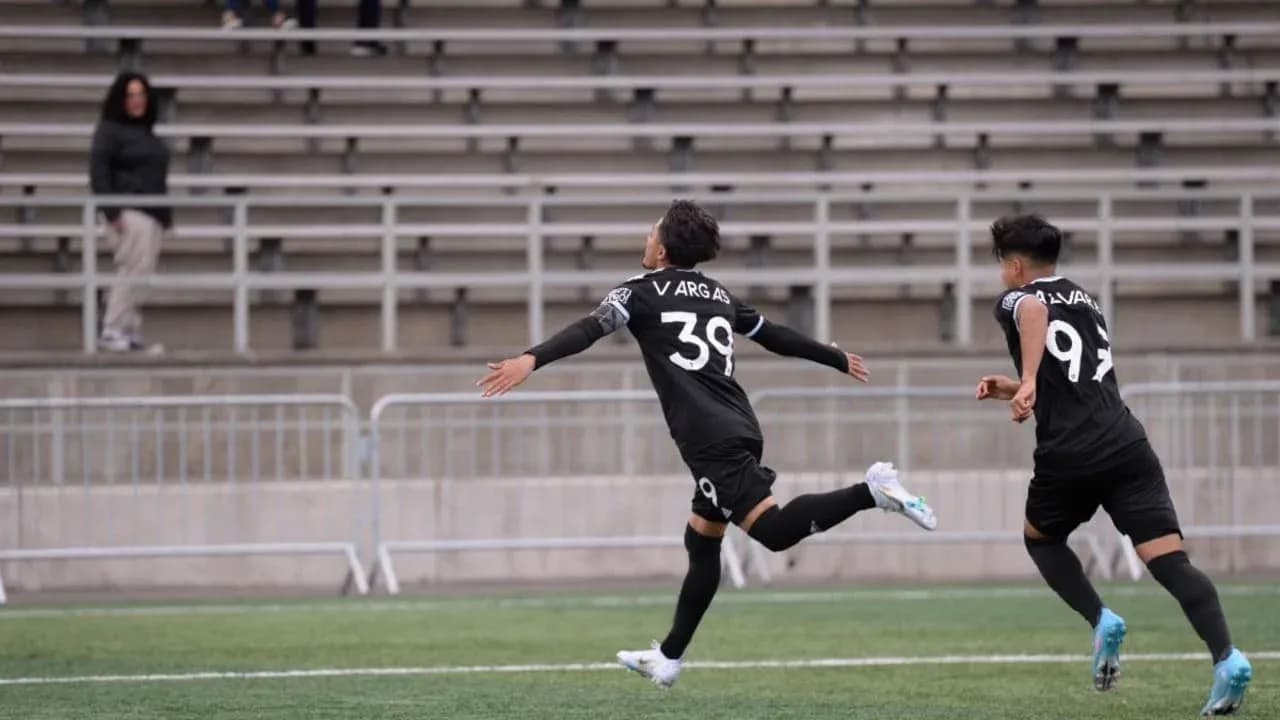
Under the lights at CIBER Field, this MLS Next Pro Group Stage meeting felt less like a routine fixture and more like a stress test of two clubs’ identities. Colorado Rapids II, rooted to the lower reaches of the standings and locked in a brutal learning curve, hosted an Austin II side arriving with promotion ambitions and one of the sharpest away profiles in the league. Ninety minutes later, the scoreboard – 0-2 to Austin II – simply confirmed what the season’s numbers had been hinting at all along.
Colorado's Season Overview
Heading into this game, Colorado’s season had already taken on a grim clarity. Across the campaign in total they had played 10 matches, losing all 10, with 10 goals for and 27 against. The goal difference of -17 underlined a side conceding at a rate of 2.7 goals per game overall, while scoring just 1.0. At home, the picture was even more punishing: 6 fixtures, 6 defeats, 6 goals scored and 17 conceded, for a home average of 1.0 goals for and 2.8 against. The table reflected that reality, Colorado sitting on 3 points (from the league’s points structure) with a recorded goal difference of -14, but the live statistics painted a harsher -17.
Austin II's Performance
Austin II arrived as the mirror opposite. In total this campaign they had played 9 matches, winning 6 and losing 3, with 16 goals for and 10 against, a goal difference of +6. Their attack was steady and reliable at 1.8 goals per game overall, but it was their away record that gave this fixture its edge: 4 matches on their travels, 4 wins, 7 goals scored, only 1 conceded. An away average of 1.8 goals for and a miserly 0.3 against framed them as one of the division’s most ruthless road teams, and the standings backed it up – 19 points and 3rd place, firmly in the promotion conversation.
Lineups and Tactical Approaches
Against that backdrop, the lineups told their own story. Erik Bushey sent out a young Colorado XI heavy on developmental profiles. K. Starks wore 71 and anchored the side from the back, with the defensive line and first build-out phase shared among J. De Coteau, C. Harper, K. Sawadogo and J. Chan Tack. In front of them, B. Jamison and L. Strohmeyer were asked to link the thirds, while S. Wathuta and J. Cameron tried to provide running power and outlets wide. C. Aquino and M. Diop rounded out the starting cast, tasked with turning broken play into attacking moments.
On the bench, Colorado’s options were more about changing energy than profile: Z. Campagnolo as the alternate in goal, and a cluster of flexible, largely unproven outfielders – K. Stewart-Baynes, R. Garcia, N. Strellnauer, J. Copeland, N. Tchoumba, Q. Bedwell and S. Siegler – ready to tilt the intensity or add legs late on. It was a squad built around development rather than immediate dominance, and the season’s defensive numbers showed how steep that learning curve had been.
Austin II’s starting group, by contrast, looked far more balanced and battle-hardened. E. Lauta, wearing 13, provided the last line of resistance for a back unit of R. Thomas, E. Watt, J. Bery and D. Dobruna – a group that had helped deliver 3 away clean sheets in 4 road games. In midfield, D. Abarca, K. Hot and D. Barro formed a functional spine: Abarca with the technical craft, Hot and Barro offering the legs and screening that underpinned Austin’s compactness between the lines. Ahead of them, S. Dobrijevic, I. Sall and J. Alastuey offered a blend of movement, creativity and penalty-box threat.
The Austin bench gave the visitors tactical flexibility. N. Aristizabal and M. Ruszel could rotate into midfield, while D. Ciesla and P. Cayelli offered fresh wide legs. V. Danciutiu and L. Feliciano were forward options to stretch a tiring back line, with N. Che, M. Badawiya and L. Moncrief providing depth across the defensive and midfield bands. It was a squad constructed to manage game states: protect a lead, chase a deficit, or simply raise the tempo in the final 20 minutes.
Disciplinary and Psychological Standpoint
From a disciplinary and psychological standpoint, the contrast was just as stark. Colorado’s season-long yellow-card distribution revealed a side often reacting under pressure. In total this campaign, 28.00% of their bookings had come between 31-45 minutes, with another 24.00% in the 61-75 window – classic stress periods when concentration can crack. The presence of red cards spread evenly across 16-75 minutes (each range at 25.00%) suggested that when games became stretched or emotional, Colorado were vulnerable to losing control.
Austin II, while aggressive, managed their edge more strategically. Their yellow cards were most frequent between 46-60 minutes (20.00%), a sign of a team willing to reset the tone early in the second half, but their red-card profile was concentrated exclusively in the 76-90 range, with 100.00% of dismissals arriving late. That hinted at a side that generally kept its discipline in the early and middle phases, only occasionally overstepping when defending leads in the closing stretch.
Matchup Analysis
The “Hunter vs Shield” matchup in this fixture was always going to be Austin’s travelling attack against Colorado’s fragile home defence. On their travels, Austin’s 7 goals in 4 matches – 1.8 per game – met a Colorado back line at CIBER Field conceding 17 in 6, or 2.8 per home outing. That intersection almost guaranteed that if Austin managed their usual volume of chances, the Rapids II resistance would bend. The visitors’ 3 away clean sheets in 4, combined with Colorado’s overall record of failing to score in 2 of 10 games, tilted the probability further toward an away win without reply.
Engine Room Battle
In the “Engine Room”, the battle was more conceptual than individual, given the lack of detailed assist data. Colorado’s midfield cohort – Jamison, Strohmeyer, Wathuta and Cameron – were charged with slowing the tempo, protecting a defence already conceding at high volume, and finding Diop and Aquino early enough to prevent Austin from camping in their half. Opposite them, the Austin triangle of Abarca, Hot and Barro had a clear mandate: compress the central lanes, force Colorado into rushed passes and turnovers, and spring Dobrijevic, Sall and Alastuey into the gaps that would inevitably open behind a team chasing its first win.
Statistical Expectations
Statistically, any xG model built from these season profiles would have forecast a game tilted heavily toward the visitors. A side averaging 1.8 goals for and 1.1 against overall, with perfect away form and 0.3 goals conceded per road match, facing a host conceding 2.7 overall and 2.8 at home, with no wins and no draws, is rarely going to be balanced. Austin’s clean-sheet record – 5 in total across 9 games – further supported the likelihood of them suffocating Colorado’s already inconsistent attack.
Following this result, the narrative remains consistent. Colorado Rapids II continue to search for both a defensive platform and a psychological foothold in the competition, while Austin II’s 2-0 victory at CIBER Field reads as the logical extension of their away dominance. The squad profiles and seasonal numbers did not just hint at this outcome; they practically scripted it.