Clásico Nacional: Club America and Chivas Share Thrilling 2-2 Draw
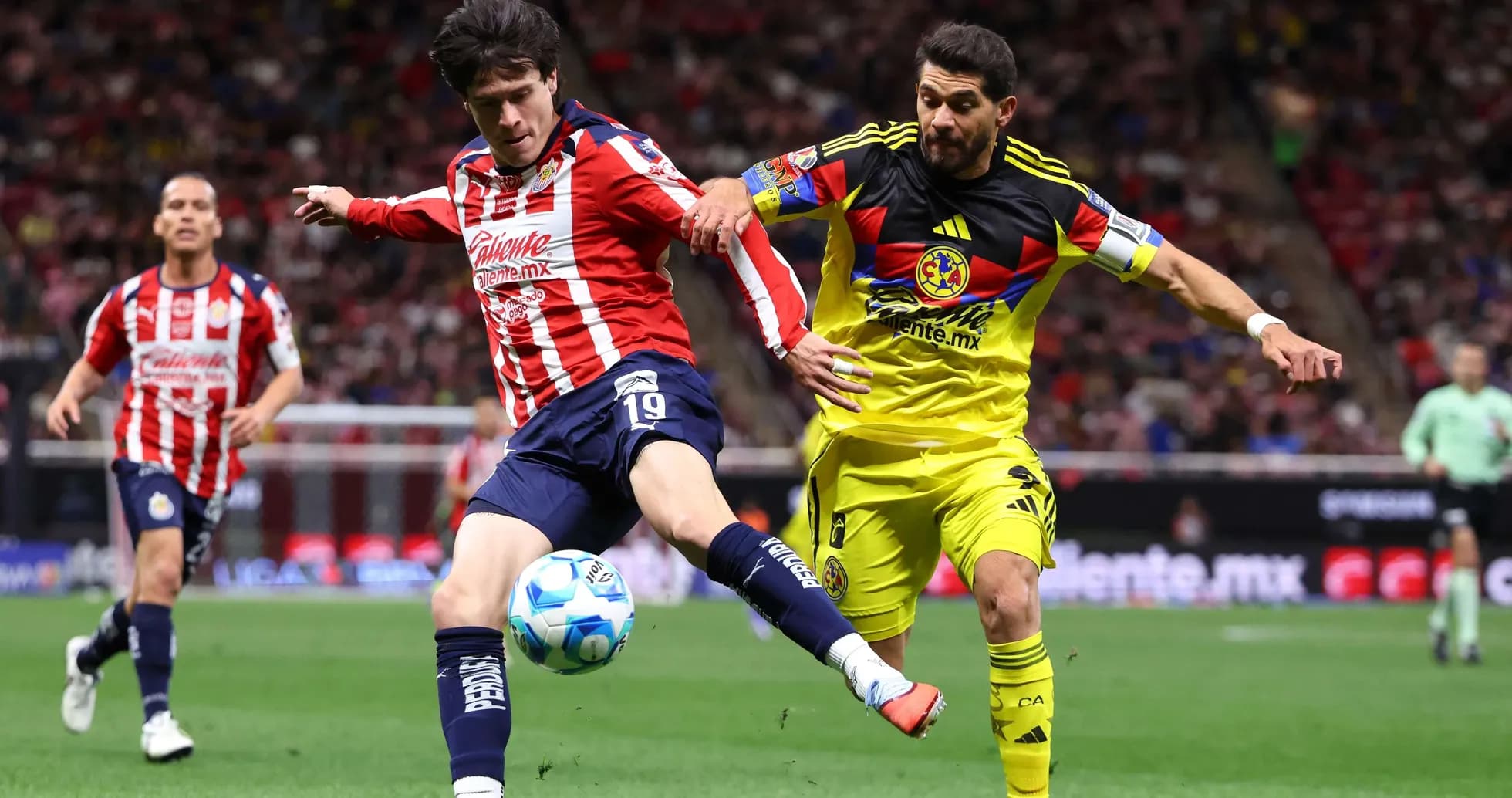
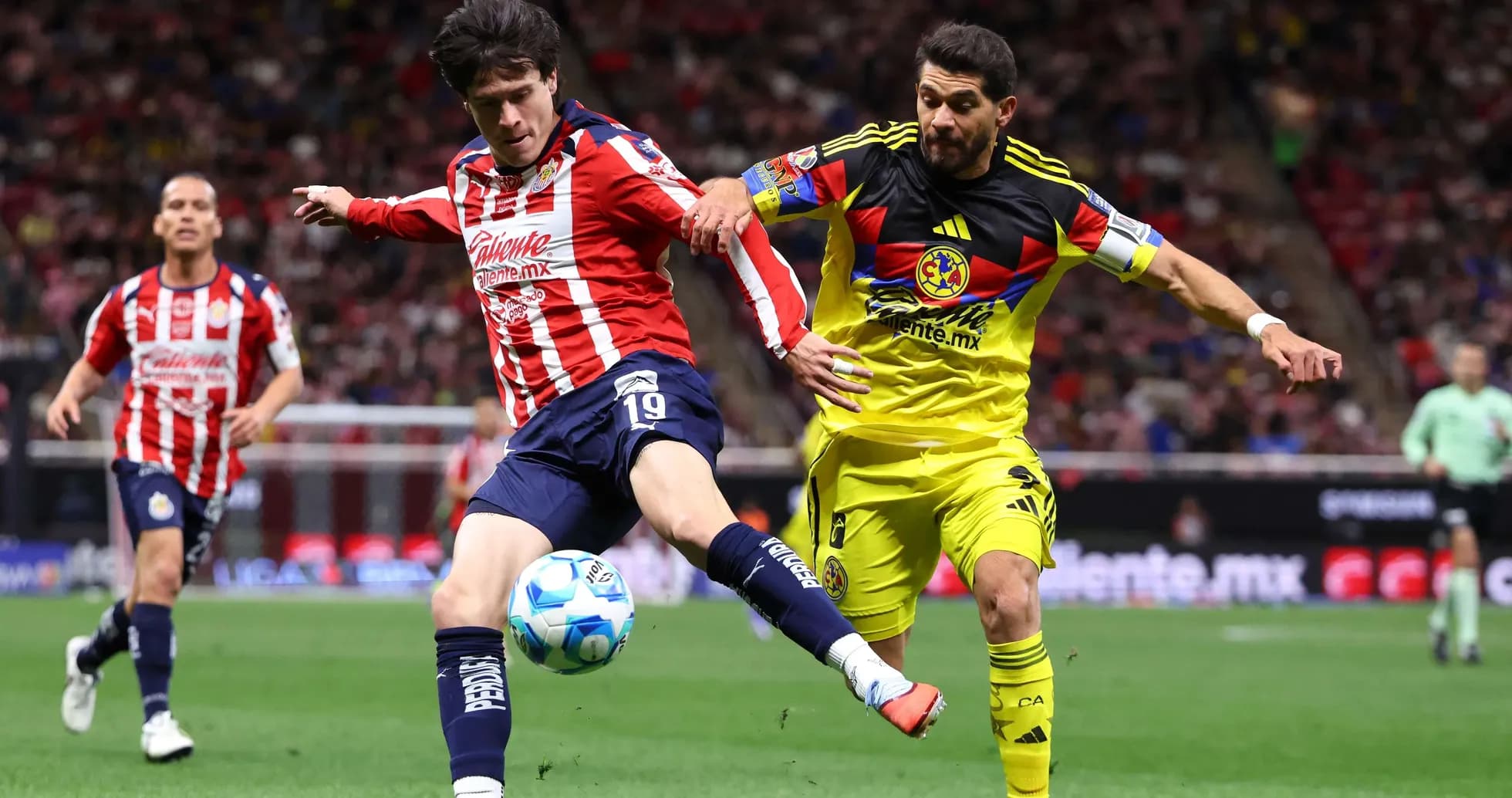
Under the lights of Estadio Banorte in Mexico City, the latest chapter of the Clásico Nacional delivered a narrative of momentum swings and tactical stubbornness. In Liga MX’s Apertura – 9, Club America and Guadalajara Chivas shared a 2–2 draw that felt like two different matches stitched together: Chivas’ ruthless, vertical first half, and America’s methodical, possession-heavy response after the break.
Coming into this round, the table already framed the rivalry as a meeting of equals. Guadalajara sat 2nd with 18 points, America 3rd with 17, both carrying an identical overall goal difference of +9, each with 17 goals scored and 8 conceded in total. The underlying numbers painted them as mirror images: America more explosive at home, Chivas more balanced and resilient away.
America’s season profile at home has been that of a front-foot juggernaut. Across their four home matches heading into this game, they averaged 2.5 goals scored and only 0.5 conceded, unbeaten with three wins and one draw. The 4-2-3-1 chosen again by G. Almada was not just a shape, but a declaration: they would try to suffocate Chivas with structured possession, high occupation of the half-spaces, and an aggressive line of three behind the striker.
The back four of D. Espinoza, E. Lara, M. Vázquez and C. Borja was tasked with a delicate balance: pinning Chivas’ wide players deep without leaving space for counters. In front of them, I. Reyes and A. Cervantes formed the double pivot, the metronomes and screen in equal measure. Ahead, the creative axis of A. Zendejas, Raphael Veiga and B. Rodríguez supported H. Martín, America’s all-action centre forward.
The attacking burden was distributed but with clear focal points. B. Rodríguez arrived as one of the league’s most incisive attackers: 3 goals and 1 assist in total, underpinned by 17 shots (8 on target) and an impressive 19 key passes. His ability to drift inside from the flank and combine with Veiga was central to Almada’s plan. Veiga himself, with 2 assists and 20 key passes overall, is the conductor between lines, capable of dictating tempo and threading passes into Martín’s runs.
Martín, meanwhile, embodied the “Hunter vs Shield” duel. With 3 goals and 2 assists in total, plus 11 shots and 7 on target, he confronted a Chivas defence that, on their travels, had allowed only 4 goals in 5 away games – an average of 0.8 conceded away. His physicality and willingness to duel (77 total duels, 37 won) were designed to disrupt the three-man Chivas back line of D. Aguirre, D. Campillo and L. Romo.
Yet it was Chivas who imposed their script early. G. Milito’s 3-4-2-1 is built for rapid verticality and counterpunching. The wing and half-space corridor of R. Ledezma and O. Govea on one side, B. González and R. González on the other, gave them the ability to spring from a compact block into full-blooded transitions. At the tip, R. Marín and R. Alvarado offered contrasting threats: Marín as the connector and penalty-box presence, Alvarado as the high-volume, high-intensity outlet.
Alvarado came into this fixture as one of the league’s most complete forwards: 3 goals in total, 11 shots (8 on target), 15 key passes and 87 duels contested with 47 won. He is as much playmaker as finisher, and his presence between America’s lines asked constant questions of Reyes and Cervantes. Marín, with 2 goals and 2 assists overall and a perfect record from the spot (1 penalty scored), added a subtle layer of hold-up play and late box arrivals.
Chivas’ away profile made their first-half performance no accident. On their travels before this match, they were unbeaten: 2 wins and 3 draws, scoring 8 and conceding 4. Their average of 1.6 goals scored away, combined with that 0.8 conceded, framed them as a side comfortable suffering without the ball and then striking in bursts. The 2–0 half-time lead at Estadio Banorte was a logical extension of that identity: absorb, spring, punish.
The disciplinary subtext added another layer of risk management on both sides. America’s season yellow-card distribution is notably concentrated in the final third of matches, with 23.08% of their yellows arriving between 61–75 minutes and 15.38% between 76–90. They also have a late-game red on their ledger, with 100% of their reds coming in that 76–90 window. Chivas, by contrast, tend to flare late with yellows (40.00% between 76–90) but saw their only red this season in the 46–60 segment.
That backdrop shaped the second half. America, chasing the game, had to push numbers forward while knowing their own history of late indiscipline. Chivas, ahead, had to manage the temptation to keep countering with aggression against the risk of cards and fatigue. The result was a half that tilted territorially towards America but crackled with the threat of Chivas breaking away.
In the “Engine Room” battle, Raphael Veiga’s duel with O. Govea and R. González was decisive. Veiga’s 249 passes at 87% accuracy and 20 key passes this season speak to a player who thrives when given pockets of space. Chivas’ central quartet tried to compress those zones, but as the match wore on and legs tired, Veiga and Zendejas found more angles, dragging the back three wider and opening corridors for Martín and Rodríguez to attack.
Milito’s bench contained its own narrative threads. Á. Sepúlveda, one of the league’s most notable red-carded players this season, lurked as a high-impact, high-risk option. His profile – 0 goals but 2 assists and 1 red card – epitomises the knife-edge Chivas often walk between aggression and overreach. On America’s side, options like M. Borja, Ó. Perea and I. Violante offered different flavours of directness if Almada wanted to tilt the game into a more chaotic, transition-heavy contest.
Statistically, the draw fits the broader arc of both campaigns. America remain unbeaten at home, still boasting 10 goals scored and just 2 conceded there in total, while Chivas extend an away record that has yet to see a defeat, with 8 goals scored and 4 conceded on their travels overall. The 2–2 scoreline threads the needle between America’s attacking volume at home (2.5 goals on average) and Chivas’ defensive solidity away (0.8 conceded on average), landing right where the numbers suggested a high-stakes equilibrium.
From an xG and defensive solidity standpoint – even without explicit xG values – the season-long patterns hint at a matchup where America’s sustained pressure and chance creation are met by Chivas’ compact block and efficient finishing. America’s tendency to share goals and assists across Martín, Rodríguez and Veiga makes them hard to shut down entirely. Chivas, anchored by Alvarado’s work between the lines and Marín’s penalty-box craft, rarely need many chances to score.
In narrative terms, this Clásico Nacional did not produce a decisive blow in the title race, but it clarified the identities of both squads. America are still the side that can turn any home match into a siege, powered by a creative triangle that can overwhelm most defences. Chivas remain the league’s most composed travellers, a team that can walk into hostile territory, take the sting out of the crowd, and leave with something tangible.
Following this result, the rivalry feels less like a clash of opposites and more like a duel of refined versions of the same idea: two teams that defend well enough to stay in games and attack well enough to change them in an instant. On this night at Estadio Banorte, neither blinked for long enough to lose.